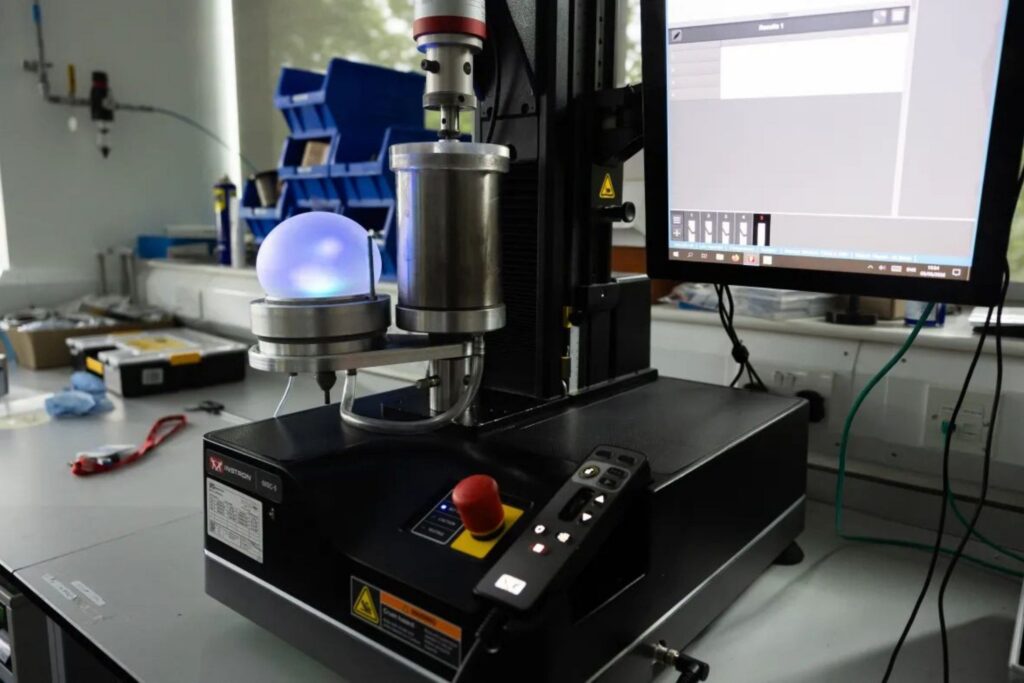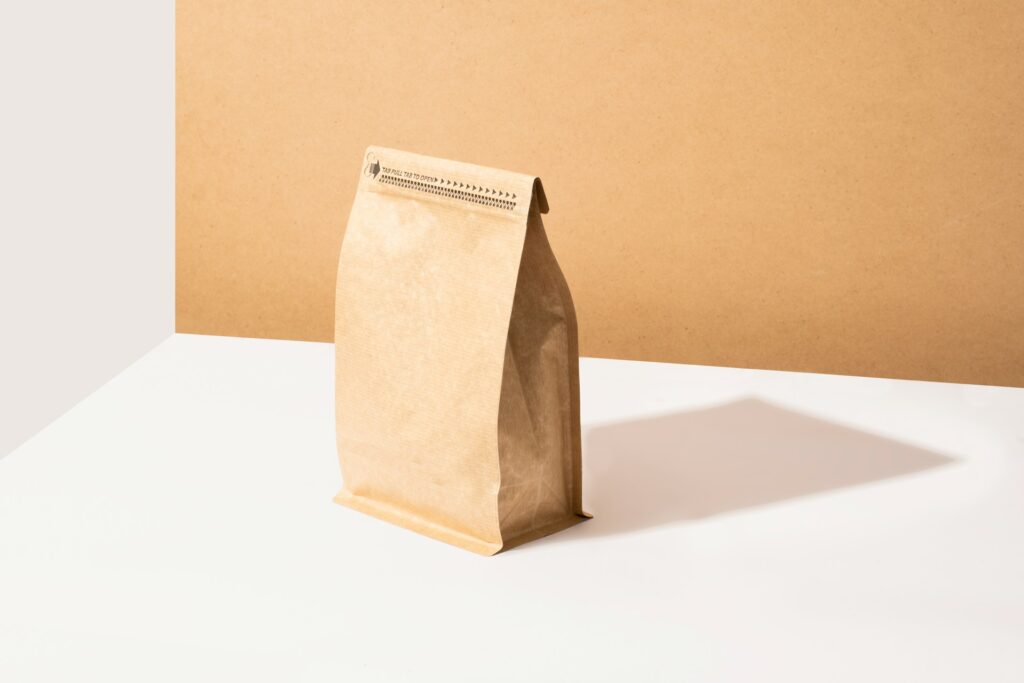
The news bounced around recently in some science and extension journals talks about a new thermal sealing technology for paper and cardboard packaging that would eliminate the use of chemical glues and adhesives, simplifying recycling. The idea is interesting, but there is a risk of mistaking the future for the present and painting a current situation worse than it is. Separate collection of cellulosic packaging in Italy reached a recycling rate of more than 90 percent in 2023, an achievement that already exceeds the target set by the European Union for 2030.
Paper mills that handle pulps have long been equipped to separate and remove adhesives during the manufacturing process. Hot melts, the most common thermoplastic glues in packaging, are handled in the plants without compromising the quality of the recycled paper. The system, in short, holds up. And it holds up well.
The knot is the tape, not the factory glue
If there is one front worth working on-and one on which consumers can already do their part-it is not so much factory-applied industrial glue as it is Scotch tape. Plastic or polypropylene adhesive tapes applied to parcels to reinforce them, close reused boxes, seal envelopes-these are the items that, if placed with cardboard, can create interference in the recycling process. Detaching them before throwing the cardboard in the recycling collection is a simple, immediate action that does not require any new technology.
The same goes for other extraneous elements that often accompany cardboard: plastic envelope windows, strapping, metal staples. The general rule of thumb is to confer only the cellulosic component, freed of non-paper accessories. No heroic act is needed: just a few extra seconds before approaching the dumpster is enough.
The right direction: simplify, not just innovate
Innovations on glueless thermal sealing-with experimental plants aiming to produce about ten packages per minute by 2026-are heading in the right direction. Their main merit is to make the collection process even smoother and less dependent on the hand-off. Fewer starting stickers means fewer variables to manage downstream, both at sorting plants and paper mills.
The market for cardboard packaging is moving in this same vein: self-assembling boxes, interlocking closure systems, packages designed to be opened and disposed of without hard-to-separate residue. Packaging design is thus itself becoming a tool for sustainability, not just an aesthetic wrapper.
What the consumer can do now
While waiting for new sealing technologies to become industry standard-and it will be a few more years before costs come down and machinery becomes widespread-the most effective contribution remains behavioral. Removing tape from boxes, tearing the plastic window from bags, not throwing beverage cartons still soiled with liquid residue into the paper: these are the actions that will concretely improve the quality of the collected material and reduce waste in the plants.