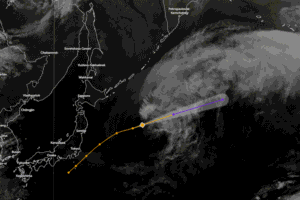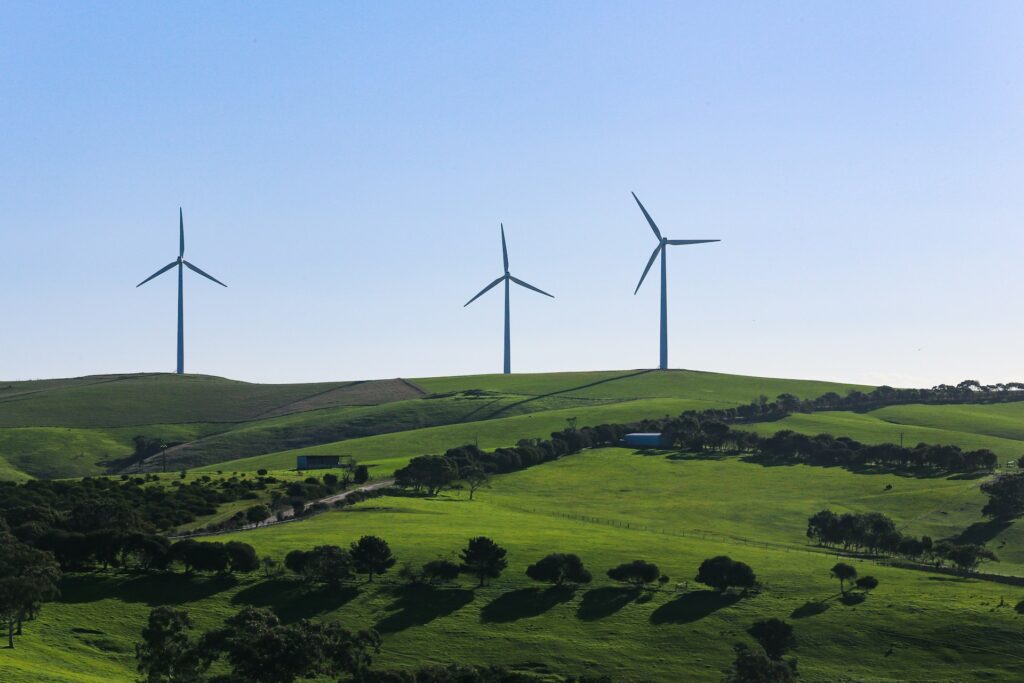
Tensions in the Strait of Hormuz bring energy back to the center of the global geopolitical stage. Everyone is forced to reckon and measure their weaknesses. For Europe – and especially Italy – the real vulnerability is the slow pace of the transition to renewables. This is the conclusion of the analysis published by the Italian think tank ECCO which examined the effects of the Iranian crisis on energy markets and European policies.
The dossier reconstructs energy flows between Italy, Europe and the Middle East and tries to understand who is most at risk in the new phase of international instability. In recent years, the European Union has begun to reduce its dependence on fossil gas thanks to policies introduced with the Green Deal and the REPowerEU plan. The expansion of renewables, together with energy efficiency measures, has led to an 18 percent reduction in gas demand compared to the period before the energy crisis in 2022, despite a slight increase in 2025.
The decline also affects Italy. Between 2021 and 2025, domestic gas consumption decreased by 16 percent, with 11.5 billion cubic meters less imported and an estimated economic saving of 4.3 billion euros.
So, thanks to the Green Deal, Europe has reduced the damage, but the environmental and energy transition has been hampered by right-wing pressure that has slowed the process. And today the cost of this brake blow is in good evidence: fossil fuel prices pose an immediate threat to balancing household and corporate budgets. While countries that have invested more in renewables and electrification are less exposed.
The Italian knot: the price of energy
The problem, the analysis points out, is that the Italian electricity system still remains strongly tied to gas. In 2025, fossil fuel covered 61.4 percent of electricity generation hours. This is directly reflected in the cost of energy. Between January and October 2025, the average wholesale electricity price in Italy was 116 euros per megawatt hour, much higher than in other European countries.
During the same period, the average price was 87 euros/MWh in Germany, 65 euros/MWh in Spain and 61 euros/MWh in France: in these countries, renewable sources now have a greater weight in the electricity system than fossil sources.
Spain represents one of the most obvious cases. Thanks to strong wind and solar deployment, energy prices in the Iberian country remained about a third lower than the European average in the first half of 2025.
Renewables growing, but too slowly
Italy has also increased its installed renewable capacity in recent years. Between 2021 and 2024, 15 gigawatts of new plants, mainly photovoltaic, came on line. However, the pace of growth remains below that envisioned by national energy targets. In fact, the National Energy and Climate Plan indicated the need to install an annual average of 9 gigawatts of new capacity.
According to ECCO, the renewable capacity installed in recent years can still replace 3.8 billion cubic meters of gas, with estimated economic savings of 1.4 billion. So there has been a benefit. But it is not enough because many renewable installations have been blocked.
Moreover, the new energy crisis could trigger counterproductive political reactions. Rising gas prices are in fact reopening the debate on possible changes to the European Emissions Trading System (ETS), the CO₂ market that is one of the pillars of European climate policy. According to ECCO, weakening or suspending the ETS would risk creating regulatory uncertainty and reinforcing the very dependence on gas that makes Europe vulnerable to geopolitical shocks.
True energy security
The central point of the analysis is that European energy security cannot be built by seeking new gas suppliers, but by structurally reducing the burden of fossil fuels. Tensions in the Strait of Hormuz show how exposed the global economy remains to geopolitical crises. For the Italian think tank, the most effective response remains that already indicated by European policies: accelerate the development of renewables, improve energy efficiency and reduce dependence on gas. In other words, the energy transition is not just a climate issue. It is also – and increasingly – an economic and strategic security issue for Europe.