Nature is taking back its space. But the numbers, fresh from publication, leave no room for romantic interpretations. Because the research, coordinated by the University of Milan-Bicocca as part of the National Biodiversity Future Center, speaks for itself. Through the census of more than 20 thousand points of presence of invasive species between Rome, Milan and Turin, it has highlighted the ability of this “invasive green army” to suffocate local biodiversity.
The study, published in the journal Urban Ecosystems, represents one of the most extensive monitoring efforts ever carried out on Italian territory. In addition to observing parks, experts combed urban environments where the conflict between humans and nature is most bitter. The result is a map describing an ecosystem undergoing accelerated change, where alien plants, often from other continents and introduced as garden ornaments, have found ideal habitat in heat islands. And without the natural pests that limit their growth in their countries of origin, these species are turning into biological war machines.
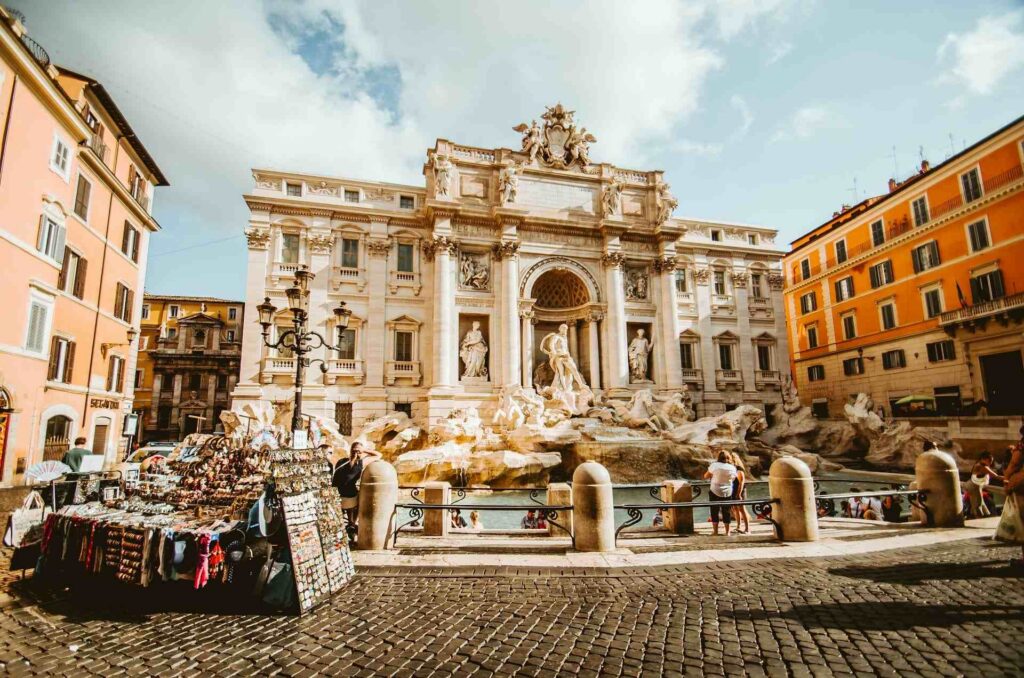
If the national monitoring offers a worrying picture, among the streets of the capital the emergency is alarming. Rome, with its extension and its characteristic alternation between archaeology, historic parks and abandoned areas, has become the perfect laboratory for invasive species. The battle, here, is played out on a double track, that of ecology and that of monumental heritage conservation. For there is no historic ruin that does not have to reckon with the insidiousness of alien roots, capable of infiltrating millennia-old mortars and crumbling what time had spared.
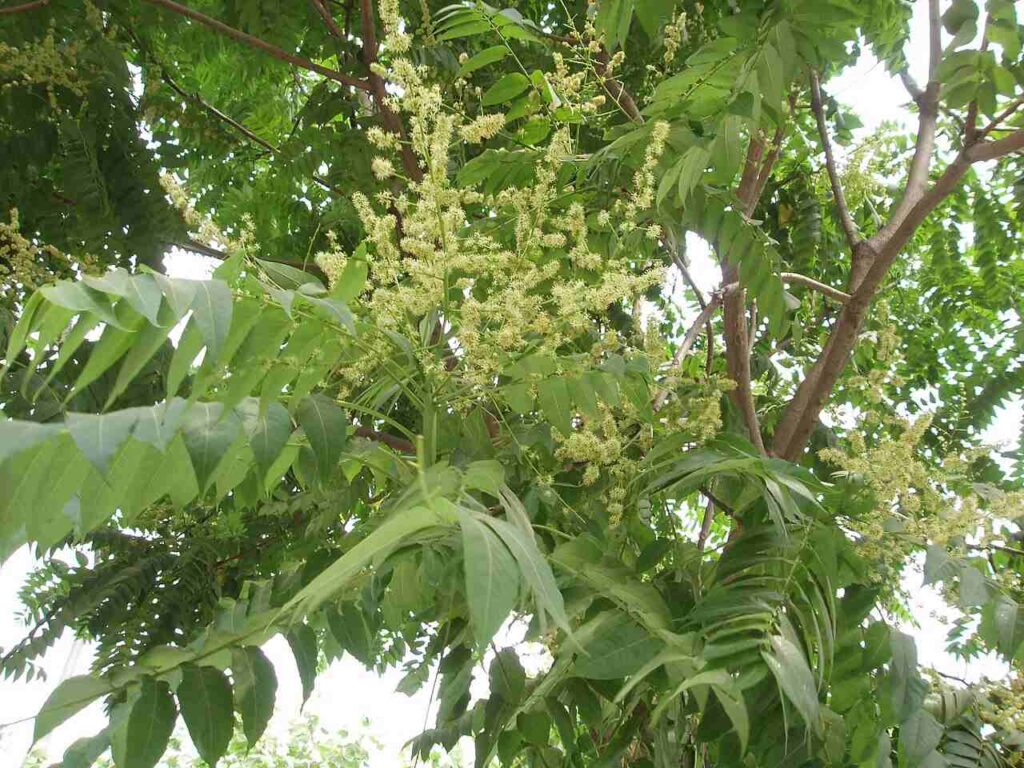
Enemy number one is theailanthus, known as the tree of paradise, but which has little or nothing of paradise about it. This species, in fact, harbors unparalleled aggressiveness. Native to China, it is capable of insinuating its roots into the micro-cracks of ancient bricks and mortars. And once it finds a gap, the root swells with a hydraulic force capable of lifting travertine blocks and shattering structures that have withstood all kinds of weathering for centuries.
Then there are the locust tree and prickly pear, which on the tops of ruins and between the buttresses of noble palaces create real unplanned hanging ecosystems, and emit acidic substances that dissolve the minerals in the substrate and offer them nourishment. Which, of course, leads to chemical disintegration of historic stones.
In this context, the Tiber, the city’s vital artery, acts as a spreading corridor: along its banks, native vegetation gives way to vegetation walls that alter water runoff and destroy the habitat of migratory birds. The problem, however, is not just about flora and fauna: many of the species detected by the research are responsible for aggressive pollinoses that extend the allergy period well into spring. In short, not good news for allergy sufferers,
So, the picture outlined by the Bicocca research calls for a change of pace in urban management. Green space in the city can no longer be considered a passive piece of furniture. Without a targeted counter-strategy and constant mapping, which today can also count on the technological support of drones and algorithms, the risk is twofold: losing the battle for local biodiversity and seeing extraordinary maintenance costs for infrastructure and monuments rise. The resilience of our metropolises to climate change also depends on this, on the ability to govern a plant army that has already proven to have no boundaries.