Greece ended 2025 with nearly 38 million visitors and 23 billion euros in tourism revenue. Record numbers, third consecutive year of growth. Yet, it only takes a few kilometers away from the most popular routes to find oneself in places where tourism is still a discreet presence.
Ideal for that growing share of European travelers who are now looking for places where tourism means really getting in touch with the land. And Greece, in this sense, offers much more than its seaside reputation suggests: an unspoiled hinterland and smaller islands that have deliberately chosen to reduce visitor flows.
The villages of Zagori
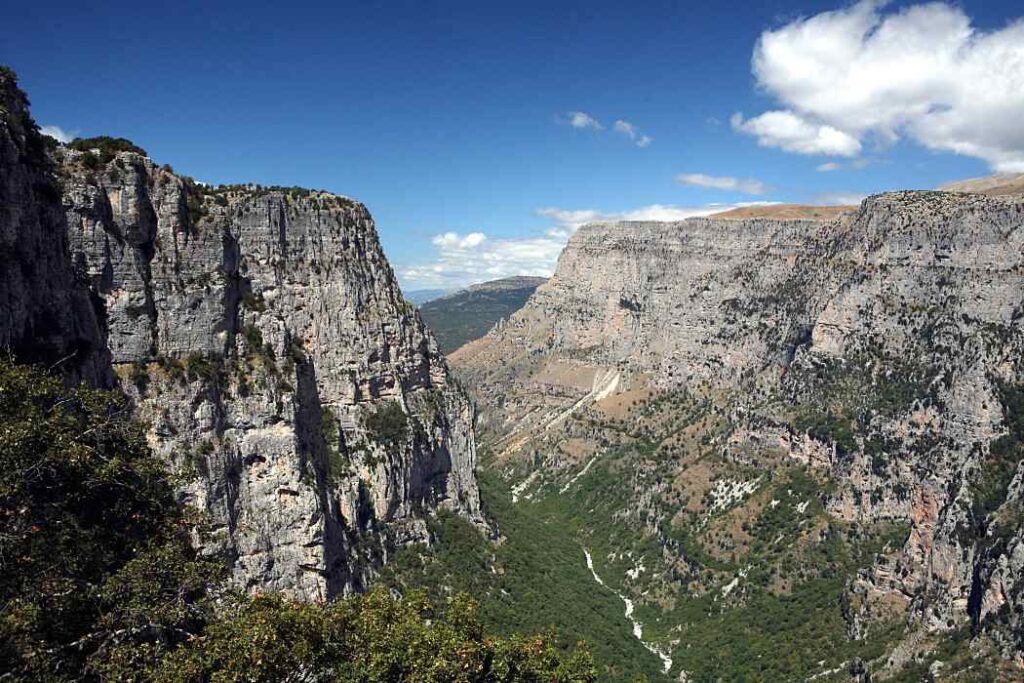
In northwestern Greece, in Epirus, there is an area that most visitors observe only in passing. It is home to the 46 villages of Zagori, built of gray stone on mountainous terrain. The houses look like they were born in the rock, the slate roofs follow steep slopes, and the Ottoman arched bridges over the Voidomatis River are among the most elegant constructions that European folk architecture has ever produced.
Vikos-Aoös National Park guards the Vikos Gorge, more than nine hundred meters deep. The Guinness Book of Records has listed it among the deepest gorges in the world in relation to width. The E4 Trail, the great European route that crosses the continent from west to east, passes through here: those with well-trained feet can walk sections that offer views of rare beauty.
The accommodations are almost all family-run: converted farms, guesthouses in historic buildings, a few small hotels where breakfast is local. One eats goat cheese and handmade pita. People drink tsipouro, the traditional white spirit of Greece.
Folegandros, Sikinos, Anafi
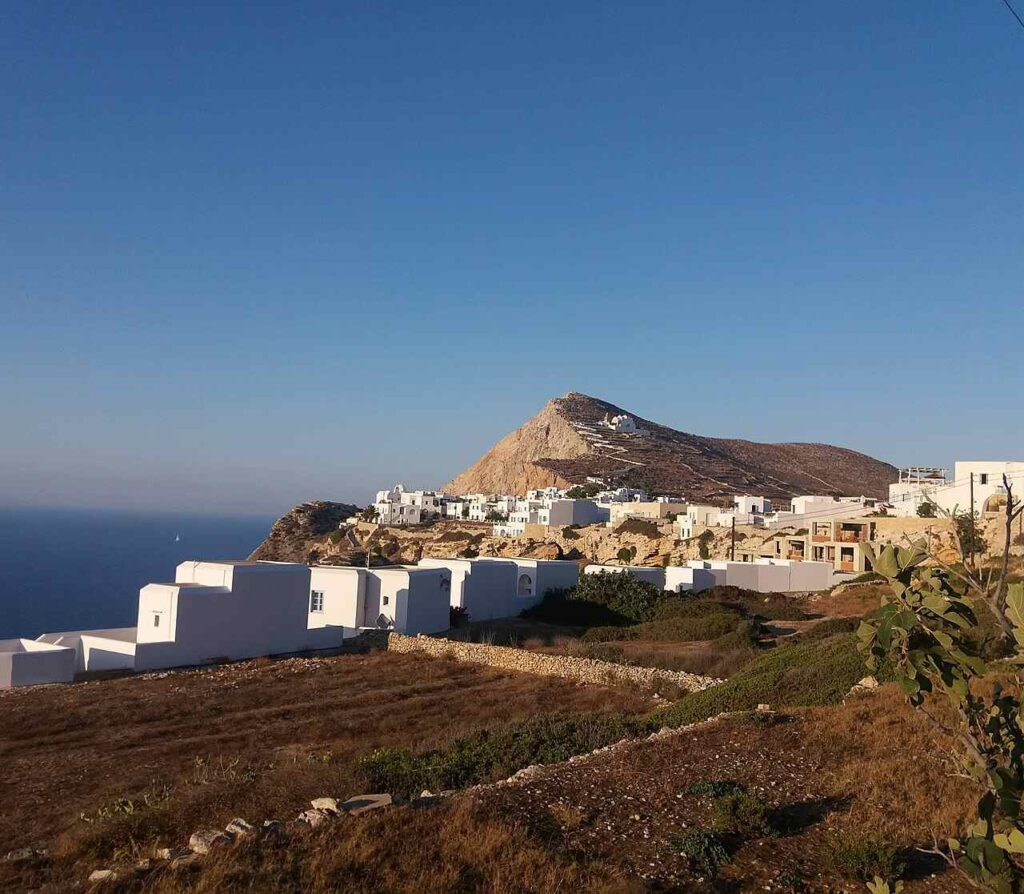
Some islands have chosen not to build their identity on tourism. Such is the case with Folegandros, a small island in the Cyclades with just over seven hundred inhabitants. Chora, the main town, is perched on a cliff two hundred meters above the sea. The houses here are white in keeping with Cycladic tradition, and the inner courtyards are home to dozens of plants. The best hotels are carved out of carefully restored historic houses: few rooms, lots of attention to detail, family management.
Sikinos is even smaller and even quieter: a Byzantine monastery, a couple of taverns, beaches reachable only on foot or by sea. Anafi, the most remote, was the island where the Athenians sent people deemed inconvenient into exile. Today it has 300 inhabitants and can be reached by night ferry.
Pelion, the peninsula of the Centaurs
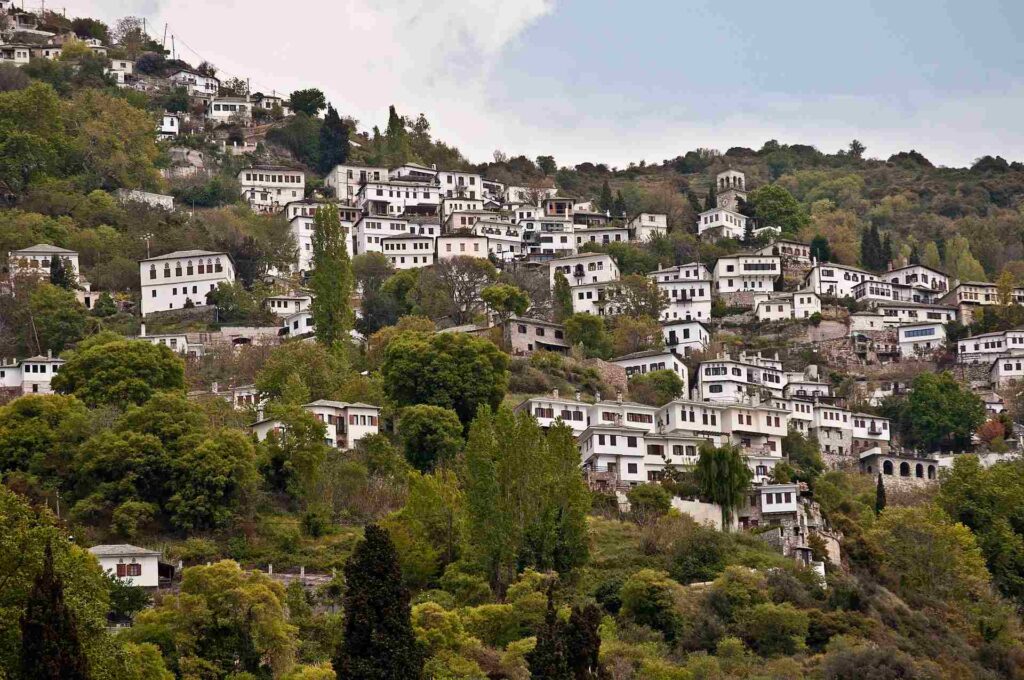
Greek mythology has it that Mount Pelion was home to the Centaurs, and on certain foggy days, when chestnut and beech forests cover the slopes of the peninsula and the sea suddenly makes its way through the trees, you can see why some people believed this.
Pelion is also a peninsula that stretches into the Aegean Sea east of Volos, a town that most tourists consider simply as a transit stop. Makrinitsa and Tsagarada are two villages with stone and wood architecture typical of the Thessalian tradition, fountains in squares shaded by huge plane trees, stairways leading down to the sea through private gardens. The best beaches can be reached on foot or by boat.
The local economy is based on olive oil, apples, chestnuts, and beekeeping. The cuisine is among the most interesting in mainland Greece and also includes smoked cheeses and honey and nut desserts.
Inner Crete, the island you haven’t seen
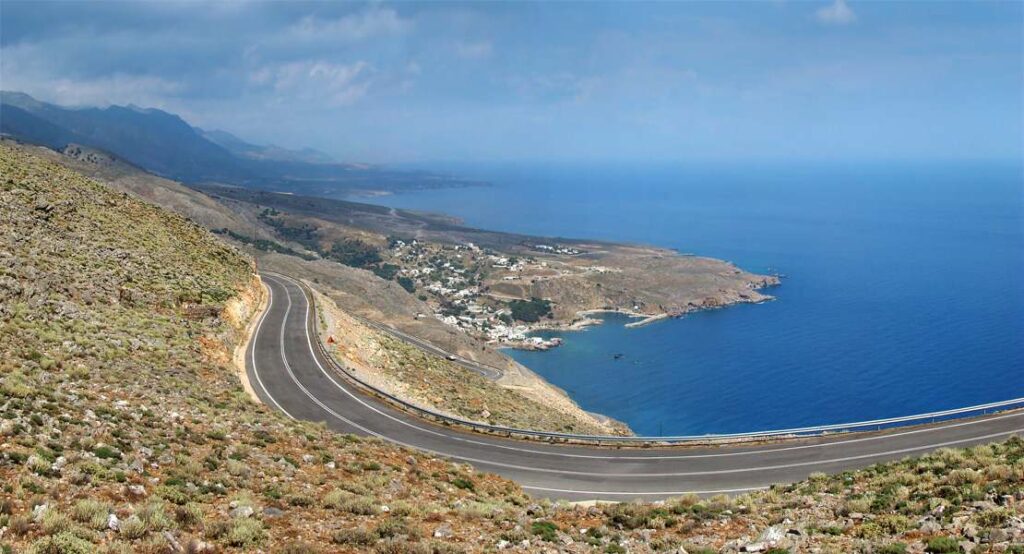
Crete is the largest island in Greece and one of the most visited in the Mediterranean. The northern coast, home to Heraklion, Elounda, and Malia, is particularly popular with international tourism. Much less frequented, by contrast, is the island’s hinterland.
In the Sfakia region in the southwest, the villages are small and the Samaria Gorge National Park-sixteen kilometers between rock walls up to six hundred meters high-warrants one of the most interesting treks in Europe. The Lasithi Plateau, in the east of the island, is a plateau surrounded by mountains where people still farm using traditional methods and where stone windmills are still in operation.
Inland organic farms produce some of the best extra virgin olive oil in Greece-the third largest producer in the world-cheeses such as graviera and mizithra, thyme honey. To sleep here is to wake up to a silence that the coast knows much less.
Lesvos, an island worth more than a visit
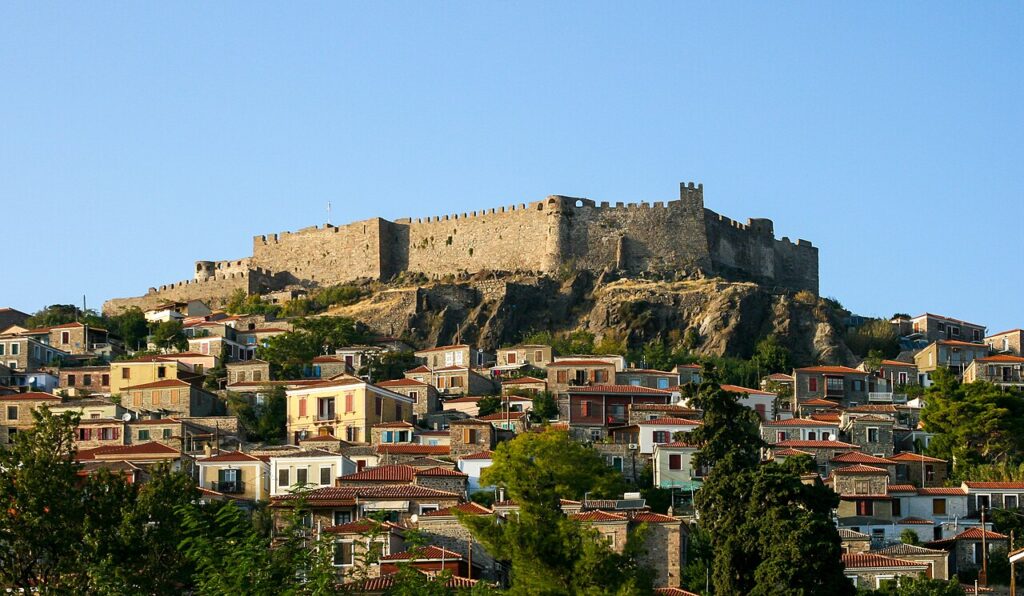
Lesvos, the island that in recent years has been told almost exclusively through the lens of the migration emergency, is home to the Petrified Forest of Lesvos, part of the UNESCO World Geoparks Network. Here, it is possible to observe trees transformed into silica by a volcanic eruption some twenty million years ago, preserved with a precision that makes it possible to still read the growth rings.
It is one of Europe’s most important geosites and is visited by a tiny fraction of the tourists who flock to nearby islands. The thermal baths of Polichnitos and Eftalou, among the oldest in the Mediterranean, offer sulfurous waters that flow directly into the sea. Lesvos’ ouzo, produced on the island by family-run distilleries, is often considered the best in Greece.
Mani, the moonscape of the Peloponnese
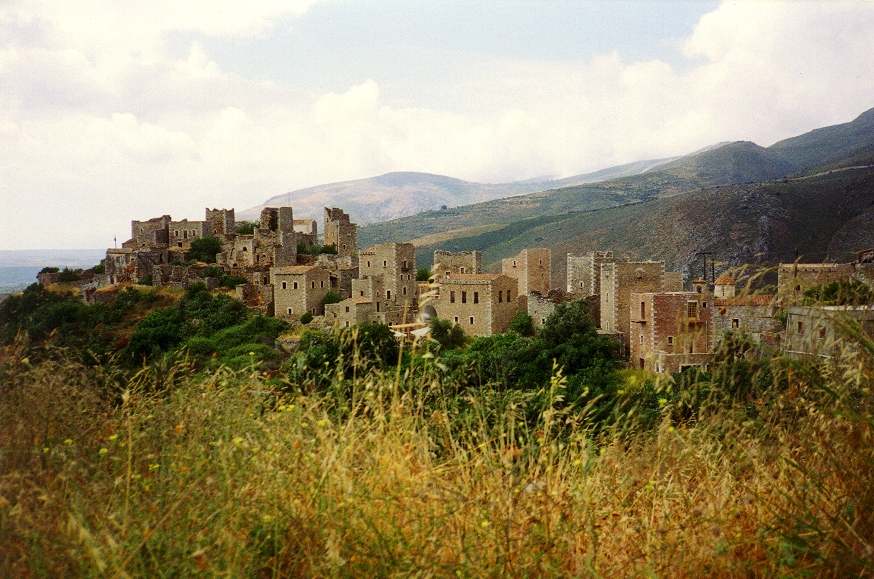
Mani is the central peninsula of the Peloponnese, as well as the least known. The landscape is lunar: limestone rock, little vegetation, a light that becomes almost metallic in summer. Villages are built around medieval towers as high as twenty meters:here families settled land disputes by building very tall towers, and conflicts could last for generations.
Many of these towers have been restored and converted into accommodations. Sleeping in a medieval tower in Mani is an experience that few design hotels can replicate. Here, the village of Vathia is one of the most photographed views in Greece especially in spring and summer when the hills are covered with wildflowers.
The Mani’s olive oil, produced from the Koroneiki variety, still harvested by hand, is among the finest in the country. Taverns serve freshly caught fish, sun-dried octopus, and goat cheeses.
Traveling slowly in Greece is a method. The country is home to 38 million visitors a year and thousands of places that hardly anyone explores. Sometimes, a detour on a side road is enough to see them. It is worth taking it.