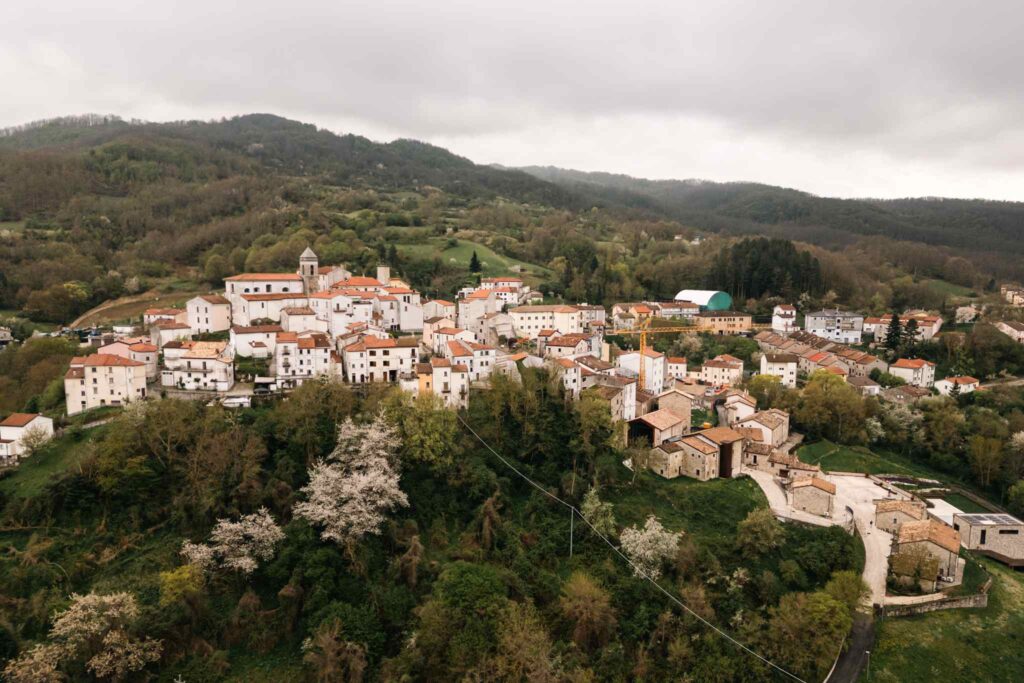
Eight hundred meters above sea level, where the Molise Apennines merge with the lands of Abruzzo, Castel del Giudice defies statistics. At a time in history when even Adriatic coastal towns are beginning to lose inhabitants, this village of three hundred souls in the province of Isernia has stopped counting departures to start planning returns. It is the result of a vision that has transformed resignation into widespread popular shareholding.
Walking through the streets of the center, one senses that the game here was not about “restoration for tourists” but about active survival and “restanza.” “We are a small municipality that has decided to find solutions to the mountain’s atavistic problems,” explains Mayor Lino Nicola Gentile, whose philosophy is the rejection of victimhood. Banished are complaints about lack of resources, welcome are proposals to attract “patient capital.”
The Publicom model
Rebirth starts with an administrative bet: turning weaknesses into strengths. A closed kindergarten? It became an RSA (Residential Health Care Facility) and a nursing home. Today this facility permanently employs 34 people. And when the post-Covid made nurses unavailable, the municipality looked overseas, hiring Venezuelan professionals thanks to the recognition of non-EU qualifications, bringing new families to reside in the hamlet.
This approach, christened Publicom, has seen the birth of companies in which the municipality is a promoter and citizens, including expatriates, become partner-investors. It happened with the Borgotufi Albergo Diffuso, which was born out of the recovery of dilapidated stables: 50 housing units that now house a gourmet restaurant, a spa and a digital center, financed by seventy founding members who invested in the future of their town.
Slow Malt and Red Gold
Examples of this new energy are theMelise farm, a farm that has been reclaiming abandoned or semi-abandoned land in the municipality since 2003 to give it back its value, and its Malto Lento brewery. Opened in October 2019, it is the first farm brewery in Alto Molise and is a creative response to the crisis in the fruit and vegetable sector. When the price of organic apples for the industry plummeted to 28 cents a kilo, “the company chose the path of in-house processing,” says Emanuele Scocchera, Melise’s manager.
Today, alongside the historic organic apple trees, more than 60 ancient Molise varieties (such as the Zitella or Limoncella apples) are grown, selected because their late bloom allows them to withstand the spring frosts that had halved harvests in the past. To diversify and stabilize employment-the farm has eight permanent employees and up to 17 seasonal employees-13 hectares have been set aside to grow barley and hops. Beer ingredients grow a few meters from the vats, resulting in productions ranging from “English IPA” beers to the more aromatic “Pacific.”
The Community Beehive
In the village’s green setting, Simone Gentile’s story reveals how theCommunity Beekeeping is a lesson in social ecology and economic resilience. Created to eliminate dependence on outside hives for pollinating apple trees, since 2019 the project has trained citizens by turning them into beekeepers: today it has more than 30 local micro-businesses that supplement their income through honey.
In this space, small producers systematize equipment and knowledge to manage colonies of Ape mellifera ligustica that, at peak flowering periods, can reach 120,000 per hive. Citizens thus become custodians of biodiversity, learning how to protect bees from climate change and predators such as the Vespa velutina. The supply chain ensures quality, with production peaks that can reach 40-50 kg of honey per colony in favorable years, transforming a traditional activity into a driver of social cohesion.
The smart forest
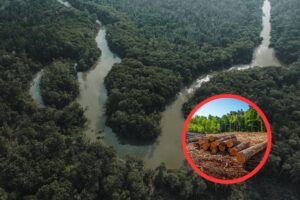
The challenge now shifts to the woods through the LIFE Climate Positive project. Under the coordination of the municipality, Caterina Palumbo, Sustainable Environmental Management Manager at Eticae, recounts revolutionary forest management that turns the forest into an ecosystem service infrastructure. In addition to the traditional supply of wood, this vision allows for the generation of carbon credits, transforming the forest heritage into an active resource for the environment and the economy.
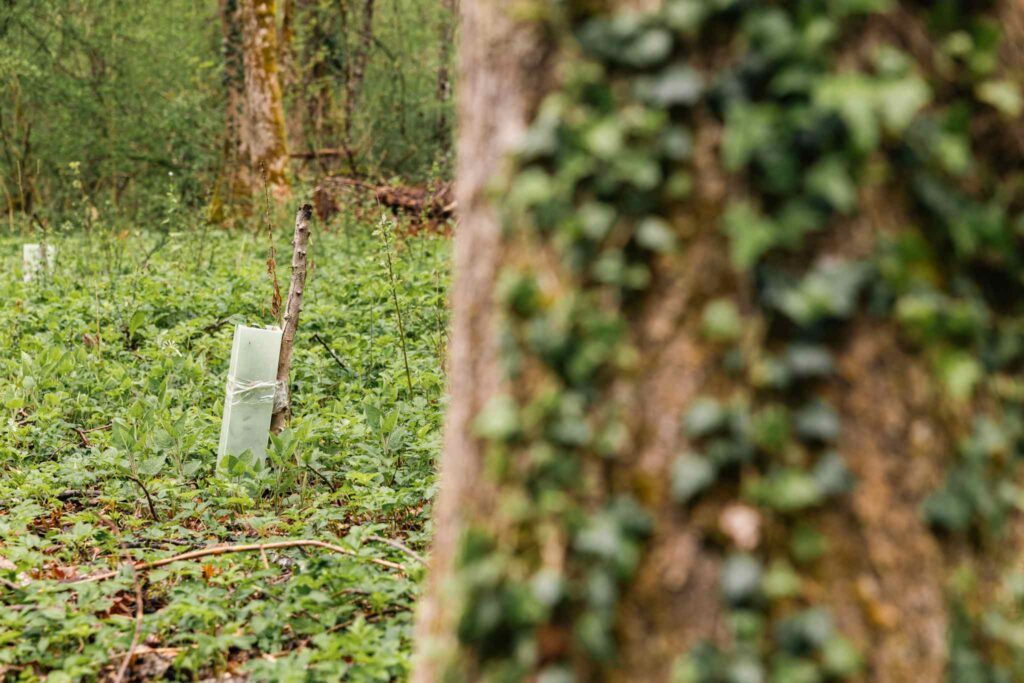
Castel del Giudice is the pilot area for “de-ethanization,” which involves returning the forest to a more natural state, favoring native species. Targeted cutting by groups of plants creates strategic clearings. Mycorrhized hazelnuts have been planted in these spaces for experimental white truffle production. It is an investment in time: it will take years to see the fruits, but the goal is to transform the undergrowth into an FSC- and PEFC-certified gastronomic deposit, overcoming the land fragmentation that has always blocked the development of inland areas.
The NRP and the “Renewable” suburb.
Castel del Giudice’s decisive transition from a resilient village to a replicable model came about thanks to the 20 million euros from the PNRR’s Borghi Call for Proposals. This injection of resources has triggered a flywheel of investment that is redesigning the face of the village on three pillars: welfare, sustainability and attractiveness. The strategy merges the agricultural memory of the Community Oven and ancient grain with a cutting-edge housing and technological vision. Senior Social Housing is joined by the Digital Hub, a 48-bed space that will house the operational headquarters of a multinational company, generating 20 high-tech jobs. A revolution that also passes through self-sufficiency: thanks to nearly 200kW of photovoltaic power and the birth of one of Italy’s first Renewable Energy Communities, Castel del Giudice is bidding to become energy independent.
Frezza House, where young people return
Casa Frezza is a building donated to the municipality and run by an association of “returning” young people. Here they fight educational poverty with after-school programs, organize literary festivals such as “Radicalmente,” and attract the cultural welfare a community needs in order not to intend to “grow old inwardly.” Together with Project SAI, which has taken in 15 migrant families (most of whom have chosen to stay and work in local businesses), Castel del Giudice wants to prove that integration is a demographic asset.
A new paradigm
Leaving the hamlet, as the shadows of the Bosco della Selva stretch across the apple orchards, one is left with the feeling of having seen a working prototype of the future. Here, amidst the scent of hops and the promise of a white truffle, “lesser” Italy goes big in its ambition.
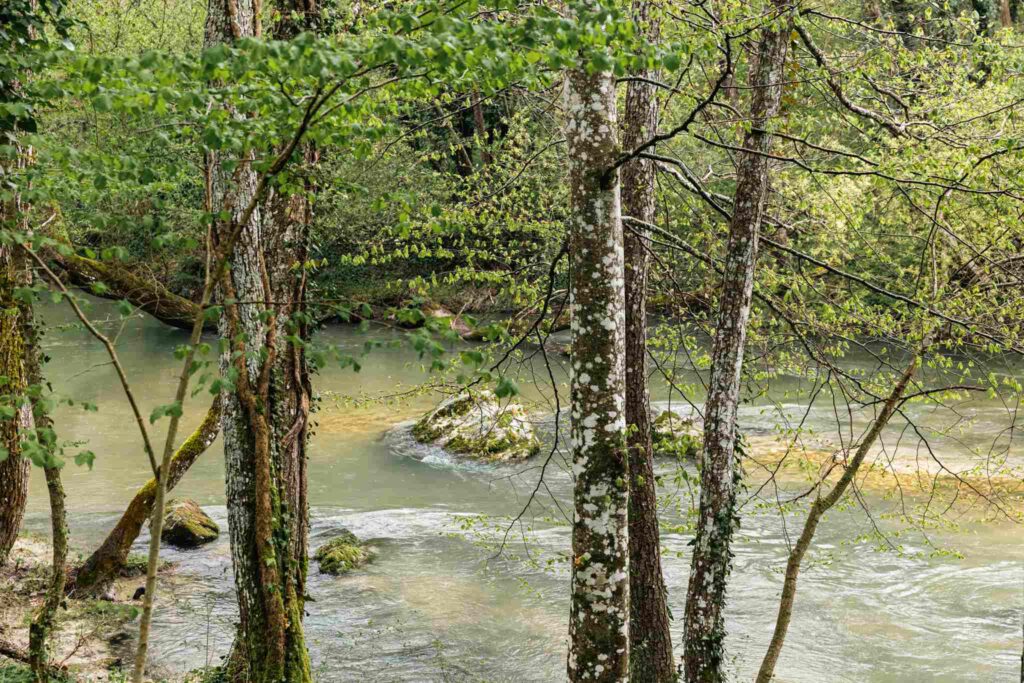
This village wants to show that depopulation is a condition that can be reversed with the politics of competence, courage and participation. In Castel del Giudice, hope has deep roots, such as those of the new plantings of hazelnuts and ancient fruits that look toward the Sangro River, and it tastes like a beer sipped while gazing up at the peaks of the Mainarde Mountains, which from up here seem never to have been so alive.