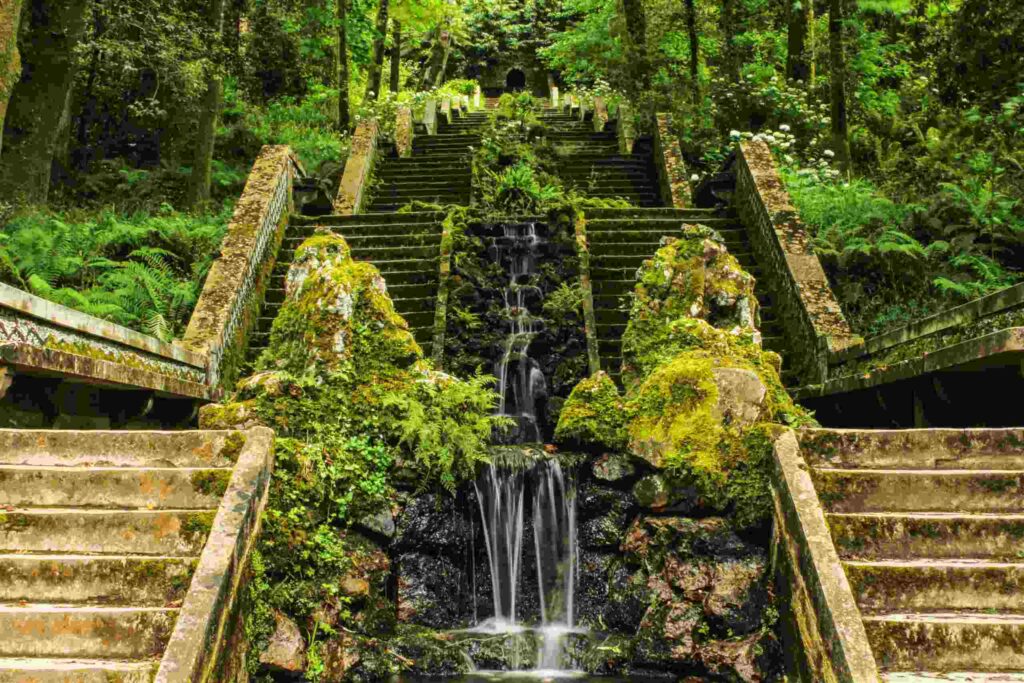
The Mata Nacional do Bussaco, in Portugal, has become the first certified therapeutic forest on the Iberian Peninsula and one of four recognized worldwide bythe Healing Forest International Certification Office. The certification, valid through 2031, recognizes the area’s natural value and confirms the presence of environmental and structural characteristics that enable the implementation of forest therapy programs led by qualified professionals, in support of conventional treatment regimens.
The forest, which covers 105 hectares in the municipality of Mealhada, is home to approximately 250 species of trees and shrubs and is considered one of Europe’s most important dendrological collections. This environmental heritage now also has an internationally recognized health dimension.
A certification based on specific criteria
To obtain certification, it is not enough simply to be located in a well-preserved forest. The international protocol calls for a verification process that includes an analysis of the site’s environmental characteristics, a technical field inspection, and an assessment of specific requirements. These include trails with varying levels of difficulty, areas dedicated to therapeutic activities, conditions that reduce exposure to noise and wind, and spaces suitable for relaxation exercises and clinical support.
“This certification, which places us among the four therapeutic forests in the world and makes us the first on the Iberian Peninsula, grants us global recognition and entails a great responsibility,” said Gonçalo Breda Marques, president of the Mata do Bussaco Foundation, as quoted by the Lusa news agency.
From forest bathing to forest therapy
This distinction clearly sets forest therapy apart from forest bathing ( shinrin-yoku in Japanese), a practice that originated in Japan in the 1980s to promote well-being through immersion in nature.
While the latter is a form of prevention and health promotion, forest therapy follows structured protocols, is conducted by accredited therapists, and can be used alongside medical treatments for specific conditions, including cardiovascular, respiratory, neurological, and psychosomatic disorders.
According to the Healing Forest International Certification Office, scientific research published over the past decade, particularly in Asian countries, has highlighted benefits associated with spending time in forest environments, including reduced stress, anxiety, and blood pressure, as well as improvements in sleep quality, cognitive function, and immune response.
A model that looks to the future
This recognition also reinforces Mata do Bussaco’s position as a destination dedicated to nature and wellness tourism. “Mata do Bussaco was already a premier destination. Today, it further solidifies its reputation as a hub for health, wellness, and nature tourism, becoming an even more comprehensive and distinctive destination,” said António Jorge Franco, mayor of Mealhada.
The Portuguese Secretary of State for Forests, Rui Ladeira, echoed this sentiment, describing the Mata Nacional do Bussaco as “one of the nation’s greatest treasures” as part of an approach that successfully combines the protection of natural heritage with well-being.
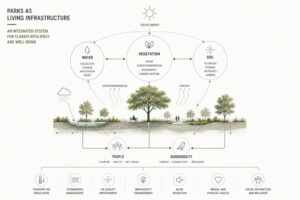
The news story highlights a shift in perspective. Forests continue to be essential for biodiversity, the climate, and air quality, but they are also beginning to be viewed as public health infrastructure. The Bussaco certification should be viewed primarily in this light: it recognizes that, in environments designed and managed according to scientific criteria, contact with nature can become a complementary resource within treatment programs.