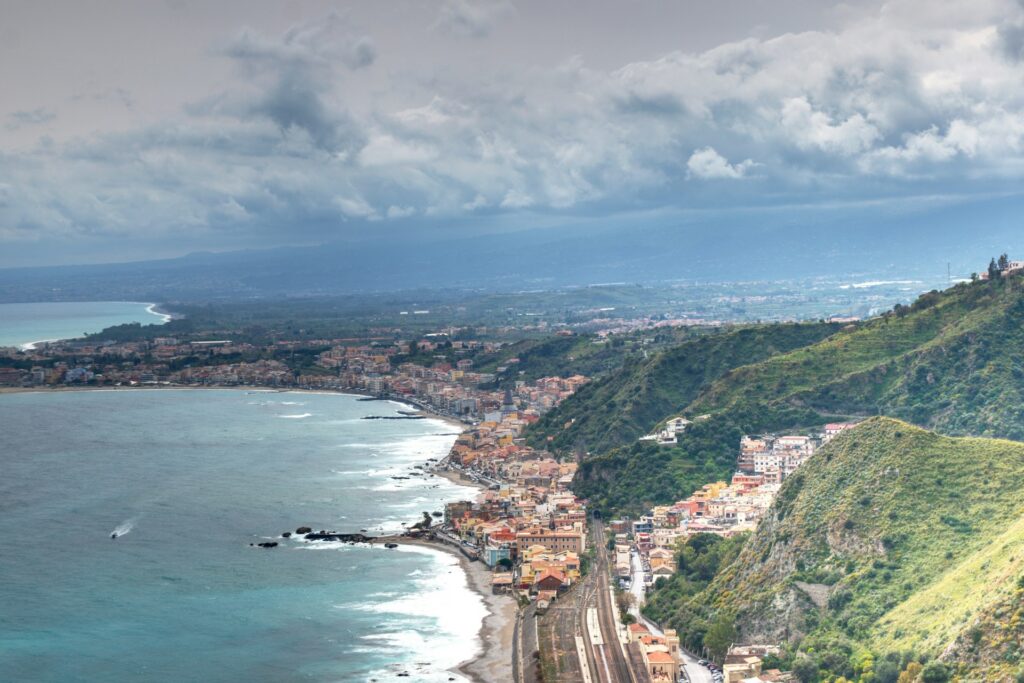
Over the past sixteen years, between 2010 and 2026, 308 of Italy’s 643 coastal municipalities (nearly half) have been affected by extreme weather events. This finding comes from the new report“Beaches. The Impacts of Extreme Weather Events and the Management of Italian Coastal Areas,” produced by Legambiente in collaboration with the Osservatorio Città Clima and presented on July 28.
Growth Figures
There were 1,073 events recorded along the coast, accounting for 38.6% of the national total (2,778). Here, too, the trend is upward: in 2023, 37.3% of coastal municipalities were affected, rising to 41.2% in 2024 and 45.4% in 2025. The most frequent events affecting the coasts are flooding caused by heavy rain (404 cases), tornadoes (286), and storm surges ( 107). Storm surges, in particular, show the sharpest increase: +550% over the past five years, followed by wind gusts (+80%).
Sicily in the lead
At the regional level, the South bears the heaviest burden: Sicily (232 events), Puglia (136), and Calabria (104) top the list, ahead of Liguria (99), Campania (88), and Lazio (69). Among cities, Genoa has recorded 50 events since 2010, followed by Bari (44), Palermo (38), Agrigento (35), and Naples (27). Ostia, ranked eleventh with 12 events, and Cesenatico, ranked fourteenth, round out the list of the most affected areas.
Added to these figures is coastal erosion: according to ISPRA data cited in the report, over 40 million square meters of beaches have disappeared along Italy’s coastline over the past fifty years.
A Missing National Plan
Legambiente points out the absence in Italy of a national plan dedicated to coastal adaptation, distinct from the more general National Climate Change Adaptation Plan, which has been approved but still lacks dedicated funding. “The data we’ve collected in our new ‘Beaches’ report demonstrate the urgency and importance of implementing adaptation plans and governance tools that reduce the risk to people, homes, and infrastructure,” said Giorgio Zampetti, general director of Legambiente, also recalling Cyclone Harry, which struck the Ionian coast in January 2026, causing damage amounting to approximately 2 billion euros.
European Examples
The report also looks beyond the border. Spain has had a coastal adaptation strategy in place since 2017, which is subject to a Strategic Environmental Assessment. England has twenty Coastal Management Plans, available online, which outline scenarios through 2105 and are accompanied by a national erosion risk map updated with 2018 climate projections.
The Issue of Concessions
The issue of beach concessions, linked to the Bolkestein Directive, also remains unresolved. The government has extended the validity of existing concessions through September 30, 2027, requiring municipalities to launch bidding processes by June 20, 2027, but several local extensions—including those in Grosseto and some other Tuscan municipalities—have already been rejected by regional administrative courts. On this front, the report revives the proposal by the Mare Libero association, based on the joint planning provided for by the Third Sector Code, to involve municipalities in redefining coastal planning before new tenders are awarded.