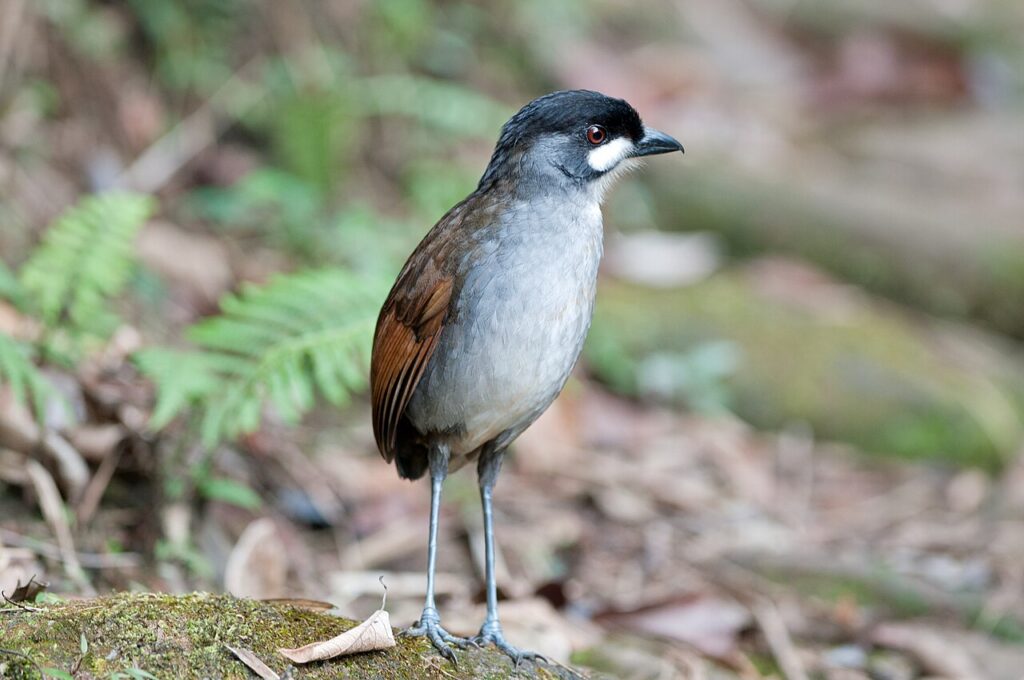
In November 1997, American ornithologist Robert Ridgely was exploring the mountain forests of southern Ecuador when he heard a call he had trouble identifying: “similar to that of an owl,” he would recount years later, adding that at first he didn’t think they’d ever be able to identify it. He recorded the call, played it back, and from the bamboo undergrowth emerged a bird that no scientific text had ever cataloged. Local farmers already knew it: they called it “jocotoco,” after the sound of its call. Two years later, the species was officially described as the jocotoco antpitta, with the scientific name Grallaria ridgelyi in honor of its discoverer.
From a Bird to a Conservation Model
Ridgely immediately realized that saving the bird meant saving the forest where it lived. In 1998, together with a few colleagues, he established the Jocotoco Foundation, funded by donors in the United States and Europe to purchase and restore land. Today, the foundation manages 19 reserves covering approximately 50,000 hectares, in addition to another 82,000 hectares of private and community-owned land involved in conservation efforts. Collectively, these sites are home to more than 1,350 bird species—80% of those found in Ecuador.
The mechanism behind this success is based on habitat restoration using native plants or spontaneous regeneration, forest rangers recruited from within the communities themselves, camera traps, and audio recorders to monitor species and combat illegal grazing, deforestation, and poaching. It is a model that seeks to bring together science, local employment, and nature-based tourism as an alternative source of income.
Recovery Statistics
Supporting these field findings is a study conducted in the Canandé Reserve, in the Chocó region: after thirty years of biodiversity-focused management, the once-deforested lands have recovered 90% of their biomass and 90% of their species richness compared to the surrounding mature forests, with 75% of the native species having returned permanently. One human generation—and a forest that has recovered almost to its former state.
Mike Parr, president of the American Bird Conservancy, described the foundation’s work to the British newspaper The Guardian as “world-class” for its integration of ecotourism, scientific research, and community engagement. Ian J. Davidson, director for the Americas at BirdLife International, speaks of a network of “arcs” of protected habitats that has given extremely rare species “a real chance not only to survive, but also to recover and expand.”
The Condor Takes Flight Again
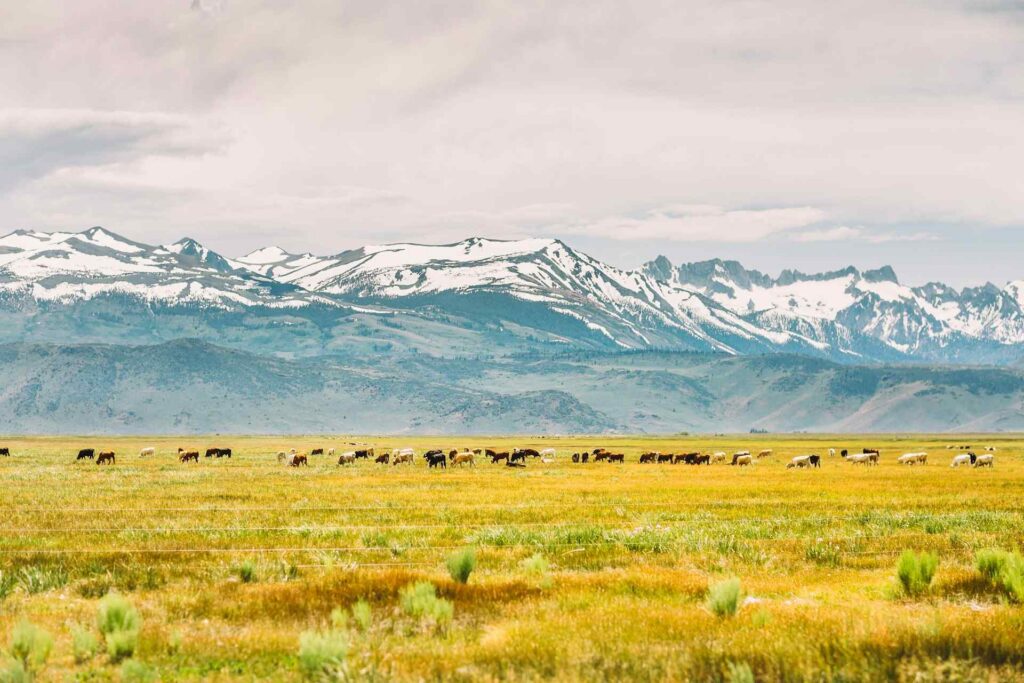
In the Chakana Reserve, at an elevation of over 4,000 meters, with Cotopaxi—the country’s second-highest mountain—snow-capped in the background, Andean condors can now be seen returning to areas from which they had nearly disappeared, having been decimated primarily by deliberate poisoning. The case of the El Oro parakeet, endemic to Ecuador, discovered only in 1980 and with a population of fewer than 1,000 individuals, shows that even species with tiny ranges can stabilize if their habitat is protected and preserved.