High blood pressure does not mean an immediate heart attack; however, it does indicate that the risk has increased and that the window of opportunity to take corrective action has narrowed. This is the analogy used by Katherine Richardson, one of the scientists who created the map of planetary boundaries, uses to explain what happens when the Earth crosses one of its safety thresholds. The assessment released on September 21 resembles that of an organism under excessive stress: of the nine boundaries that keep the planet in balance, seven have now been exceeded.
Earth’s “Medical Record”
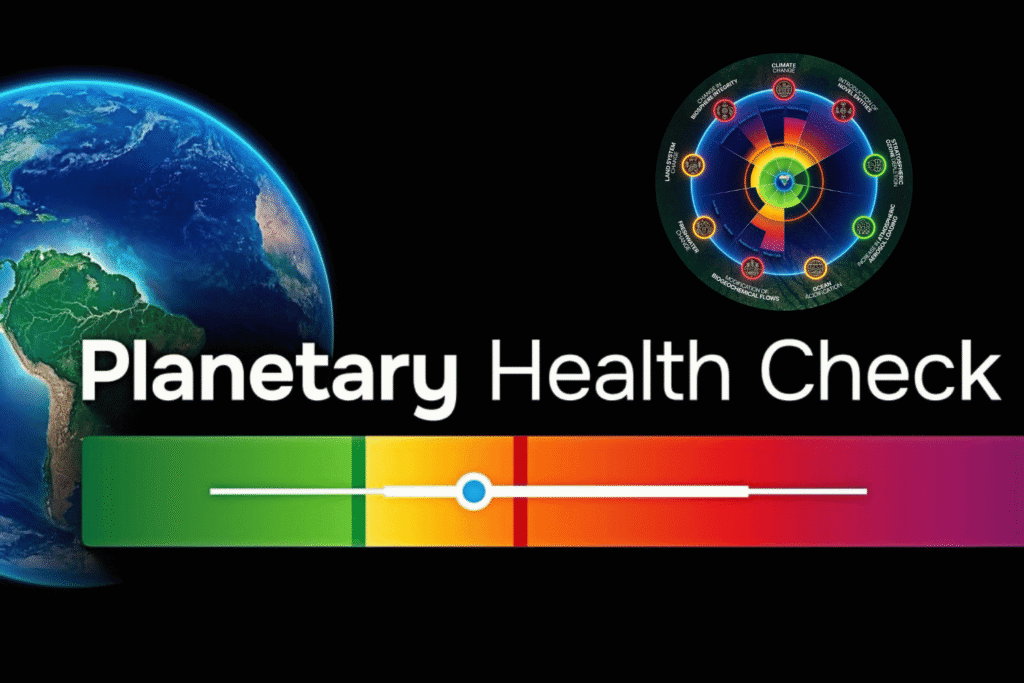
Planetary boundaries are nine processes that regulate the stability of the Earth system: from climate to freshwater, from nitrogen and phosphorus cycles to biodiversity. Together, they define a “safe operating space” for humanity: the boundaries within which the planet has remained over the past 10,000 years, the range of stable conditions that has made agriculture, cities, and modern societies possible. Stepping outside these boundaries is not like flipping a switch, but it increases the risk of large-scale, long-lasting changes that are difficult to reverse.
Seven thresholds crossed
The Planetary Health Check 2026, authored by more than 60 scientists from the dedicated laboratory at the Potsdam Institute for Climate Impact Research, updates this map annually. Seven planetary boundaries have been crossed: climate change, biosphere integrity, land use, freshwater, nitrogen and phosphorus cycles, “new entities”—ranging from pesticides to plastics to PFAS—and, for the first time, ocean acidification. Only the ozone layer and atmospheric aerosol concentration remain within safe limits—the only two indicators that have improved over the past decade.
Because it affects all of us
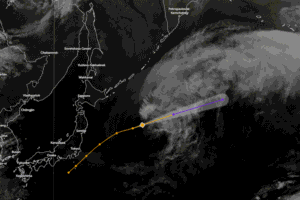
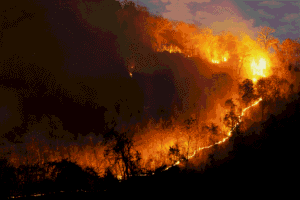
Put that way, it sounds like something only experts would care about. In reality, every threshold affects our daily lives. A climate spiraling out of control means heat waves that make entire regions less livable, hurricanes, and unstoppable wildfires; the “new entities” are the microplastics and chemicals we find in our blood and drinking water; excess nitrogen and phosphorus poison aquifers and rivers; ocean acidification, caused by carbon dioxide absorbed by the sea, corrodes shells and corals and threatens the fisheries on which hundreds of millions of people depend. Making what only a few understand today accessible to everyone is the first step toward an effective response.
A Record-Breaking Year
The past twelve months also show that the planet is under pressure. The monsoon floods in Pakistan in 2025 affected nearly 7 million people. The heat stored by the oceans reached a new record high: between 2023 and 2025, heat stress bleached about 84% of the world’s coral reefs—the largest such event ever observed. Western Europe experienced its hottest June–July on record, with droughts in France, Spain, Germany, and the United Kingdom, as well as widespread wildfires. Natural carbon “sinks”—forests and soils—exhausted by heat, drought, and wildfires, are absorbing less carbon dioxide and, in some areas, are at risk of releasing it.
“The diagnosis is unequivocal,” summarized Boris Sakschewski, the report’s coordinator: pressure is mounting on every front that’s already beyond the limit, while the margin for error is shrinking. Yet the message is not one of surrender. “We don’t have the luxury of time, but we have the knowledge and solutions to change course,” notes Johan Rockström, director of the Potsdam Institute. And former Colombian President Juan Manuel Santos, one of the initiative’s promoters, uses a political metaphor: bringing the Earth back within its limits is a peace process that no country can lead on its own.
After reading these figures, do you think it’s impossible to interpret them with a glimmer of hope? That’s not quite the case. One of the two barriers that still remain is the ozone layer, which shields us from ultraviolet rays at high altitudes. It’s the very same layer that seemed doomed in the 1980s. CFCs—chlorofluorocarbons used in aerosol cans and refrigeration systems—were breaking it down. The alarm was sounded, the international community reacted, researchers developed alternatives, and industry adapted. In 1987, the Montreal Protocol banning CFCs was signed, and the pressure on the ozone layer has gradually decreased.
We have the opportunity to reduce risk across all seven areas currently under strain, but this is not a task we can tackle on our own by relying solely on individual best practices. It must become a priority for those who guide collective decision-making and direct public spending. This is a significant challenge for revitalizing our democracies.