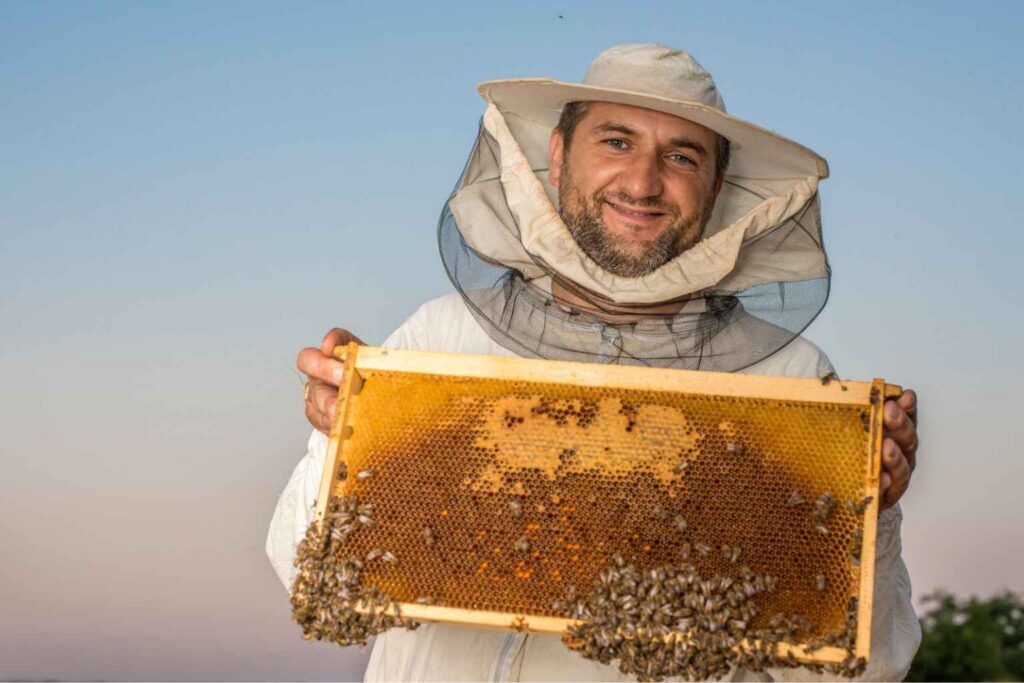
What if the fondest memory of a vacation in Tokyo were a visit to the city’s public restrooms—some of which were designed by internationally renowned architects and have become true tourist attractions? Or what if the highlight of a trip to the Azores were a morning spent among beehives, wearing a beekeeper’s suit? Monuments, museums, and packed itineraries are losing ground to unusual experiences, local traditions, and activities that require time and curiosity. At least that’s the intention of travelers, who, looking ahead to 2027, seem to be gravitating toward a less hectic form of tourism that’s more attuned to the life of the places they visit.
This is what emerges from Hidden Trends, the annual report from GetYourGuide, an international platform for booking travel experiences. The survey, conducted by Bounce Insights among 10,157 people in seven countries, including Italy, reveals that 78% of respondents associate a rejuvenating vacation with the absence of a set schedule. Nearly one-third leave their smartwatches at home, while 56% view digital planning before departure as a way to enjoy their trip with greater freedom.
From kimchi to fragrances, tourism is a hands-on experience
Emerging trends include experiences that bring visitors closer to the knowledge and traditions of local communities. In Seoul, workshops dedicated to kimchi—a Korean specialty made from fermented vegetables—pass down family recipes and preparation techniques. In Barcelona, on the other hand, kombucha classes teach participants how to make this slightly fizzy beverage, which is produced by fermenting sweetened tea using a culture of yeast and bacteria.
72% of respondents say they are fascinated by food preparation, while 71% believe that learning about its origins enriches the travel experience. This interest is reflected in bookings: those related to vinegar production have increased by 73% in one year, while wine-tasting experiences have seen a 38% increase.
Another trend involves olfactory tourism, which highlights the connection between scents, places, and memory. In Florence, perfumery workshops allow participants to create personalized fragrances under the guidance of experts, while on the French Riviera, tours dedicated to exploring scents are offered. Bookings for these activities have grown by 114% year-over-year. Among young people in Generation Z—generally defined as those born between the late 1990s and the early 2010s—69% would be willing to pay to participate in an olfactory experience.
In Tokyo, people visit designer restrooms; in Bavaria, they play cards
The desire to discover lesser-known aspects of travel destinations is fueling the rise of so-called “detourists”—travelers who prefer alternative routes even in major tourist capitals. Sixty-one percent of respondents say they deliberately seek out lesser-known neighborhoods more often than they did five years ago.
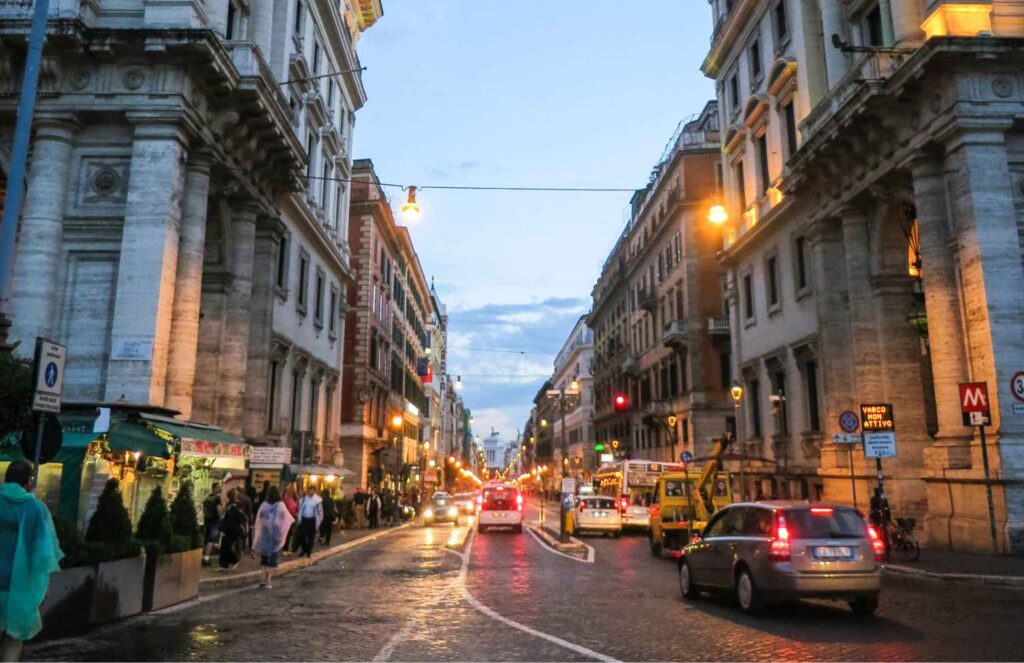
In Tokyo, some walking tours take visitors on a journey to discover public restrooms designed by famous architects, which have become an attraction thanks to *Perfect Days*, the 2023 film by Wim Wenders that chronicles the daily life of Hirayama, a man tasked with cleaning the restrooms in the Japanese capital. These facilities are part of the Tokyo Toilet project, created to revitalize these spaces through architecture and design, improving their accessibility and usability. In Rome, on the other hand, some Vespa tours retrace the film locations from *Lizzie McGuire*, a 2003 movie set during a school trip to the Italian capital.
Even traditional games become ways to engage with local culture. In Provence, activities centered on pétanque—a variation of bocce played with metal balls—complement those organized in Bavaria around Schafkopf, a historic regional card game. Sixty-two percent of travelers would consider participating in an activity of this kind, a figure that rises to 78% among young people in Generation Z.
People also travel to the Azores to learn about bees
Finally, beekeeping stands out among the activities experiencing significant growth. According to GetYourGuide, bookings for bee-related experiences have increased by 65% in one year, while one in two travelers says they are interested in participating in such experiences.
In the Azores, a Portuguese archipelago in the Atlantic, beekeepers take visitors on a tour of the beehives, explaining the relationship between pollinating insects, vegetation, and honey production. It’s an opportunity to get an up-close look at an activity closely tied to the balance of local ecosystems. “When you touch honey, when you taste it, you can sense the landscape where the bees live. Honey is the fingerprint of the Azores’ landscape,” says Carolina Ferraz, a local guide specializing in beekeeping experiences, as quoted in the report.
The five trends identified in the report outline five different ways of experiencing travel: exploring a destination through its scents, rediscovering culinary traditions and fermentation techniques, venturing into less touristy neighborhoods, learning local games, and gaining insight into the world of bees and beekeeping. These diverse experiences are united by a desire to get to know the communities and regions visited more intimately, while devoting more attention to the time spent in each place.