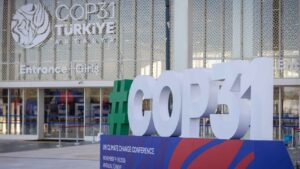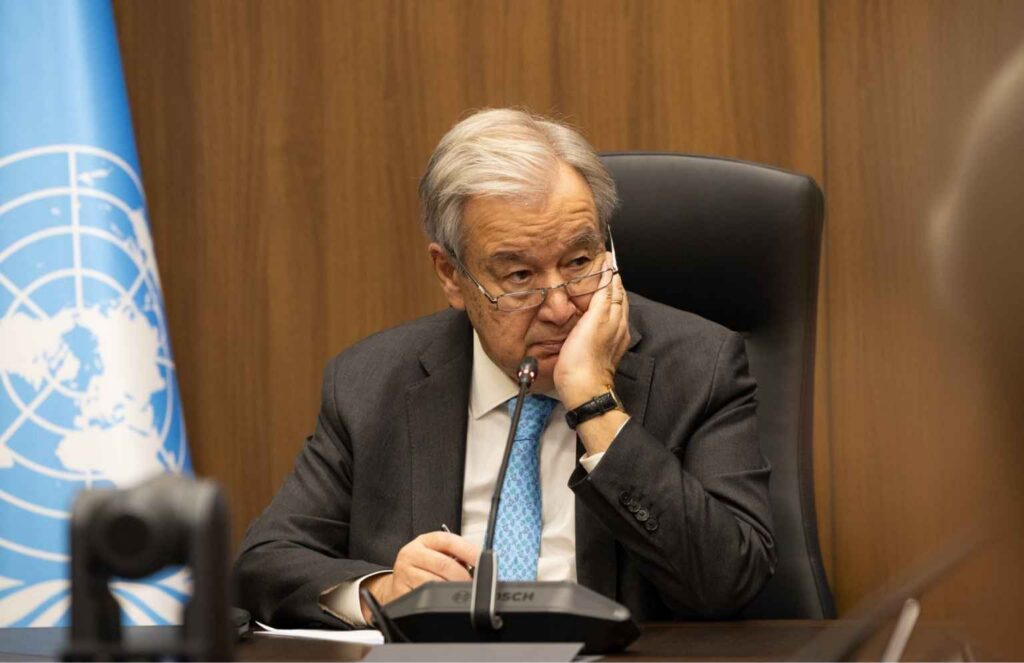
COP31 began with a fact that is hard to ignore: under current policies, the world is headed for a 2.7-degree temperature increase by the end of the century. This estimate comes from the Climate Action Tracker, while in Antalya, Turkey, nearly 200 countries are discussing how to accelerate the fight against global warming. Weighing on the negotiations is also the conflict between the United States, Israel, and Iran, which has disrupted part of the oil supply from the Middle East and sent fuel prices soaring. The energy crisis has brought security of supply back to the top of governments’ agendas, complicating discussions on phasing out fossil fuels.
My message to world leaders at #COP31:
— António Guterres (@antonioguterres) November 11, 2026
We know that change is possible.
History has handed us a remarkable opportunity to build economies that are cleaner, societies that are fairer & a world that is safer.
This is not only about climate. It's also about sustainable… pic.twitter.com/Je2VYTsmEi
“Fossil fuels must go the way of the dinosaurs. Dinosaurs didn’t have a lobby; fossil fuels do.” António Guterres chose very strong words to address world leaders. The United Nations Secretary-General called for a tax on oil companies’ windfall profits to fund interventions in the countries most vulnerable to the climate crisis.
Oil Profits and the Cost of the Crisis
According to data cited by Guterres, the world’s nine largest oil companies earned $95 billion in a single quarter. The international fund established to compensate for losses and damages caused by climate change received approximately $600 million—the equivalent of just 14 hours’ worth of profits from those companies. Hence the proposal for a global pact for climate justice, which would provide more accessible financing for poor countries, protect vulnerable communities, and accelerate the transition to renewable energy.
The war in Iran has added another source of tension. Speaking at COP31, Iranian President Masoud Pezeshkian called on the international community to recognize and compensate for the environmental damage caused by U.S. and Israeli attacks. The bombings of energy infrastructure and attacks on oil tankers have also caused massive oil spills. International climate agreements, however, do not currently provide for specific mechanisms to compensate for environmental damage caused by military operations.
The gap between commitments and policies remains evident. Turkish President Recep Tayyip Erdoğan has called for concrete action, yet just a few days earlier, he had celebrated the discovery of two new oil fields, with potential reserves estimated at 135 million barrels.
Greta Thunberg: “No one is going to come and save us”
Greta Thunberg, who has been absent from UN climate conferences since 2021, also spoke out again about the contradictions at the summit. During a press conference in Antalya, the Swedish activist stated:“The planet is being killed, and we know by whom.”
His accusations come amid an increasingly heated debate over the influence of the fossil fuel industry in the negotiations. According to an analysis by the Fossil Free Politics network, reported by ReCommon, Italy included 55 representatives from the fossil fuel sector in its delegations to the COPs between 2023 and 2025—more than any other European country considered.
Meanwhile, the United States has boycotted the negotiations for the second consecutive year. Italy, France, Germany, Japan, and Canada also did not send their top leaders.
What’s Being Decided in Antalya
The discussions focus primarily on three issues: emissions reduction, financing for vulnerable countries, and the future of fossil fuels. The Turkish presidency proposes increasing the share of electricity in global energy consumption to 35% by 2035—a figure that currently stands at just over 20%. Electrification would make it possible to replace oil and gas in sectors such as transportation and heating, primarily by using renewable energy.
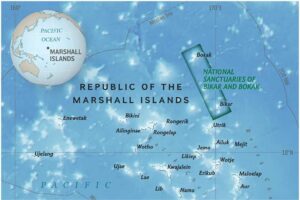
However, the path toward phasing out fossil fuels remains controversial. Funding is also a source of division among governments: the poorest countries are calling for guaranteed resources to address droughts, floods, and rising sea levels, while avoiding further debt. Marshall Islands President Hilda Heine pointed out that exceeding the 1.5-degree threshold puts coastlines, schools, and hospitals at risk. Meanwhile, Brazilian President Lula denounced the growing prominence of wars and tariffs on the international agenda.
Negotiators will now have to decide whether to include new commitments in a joint final decision. On the table are electrification, phasing out fossil fuels, and adaptation funding.