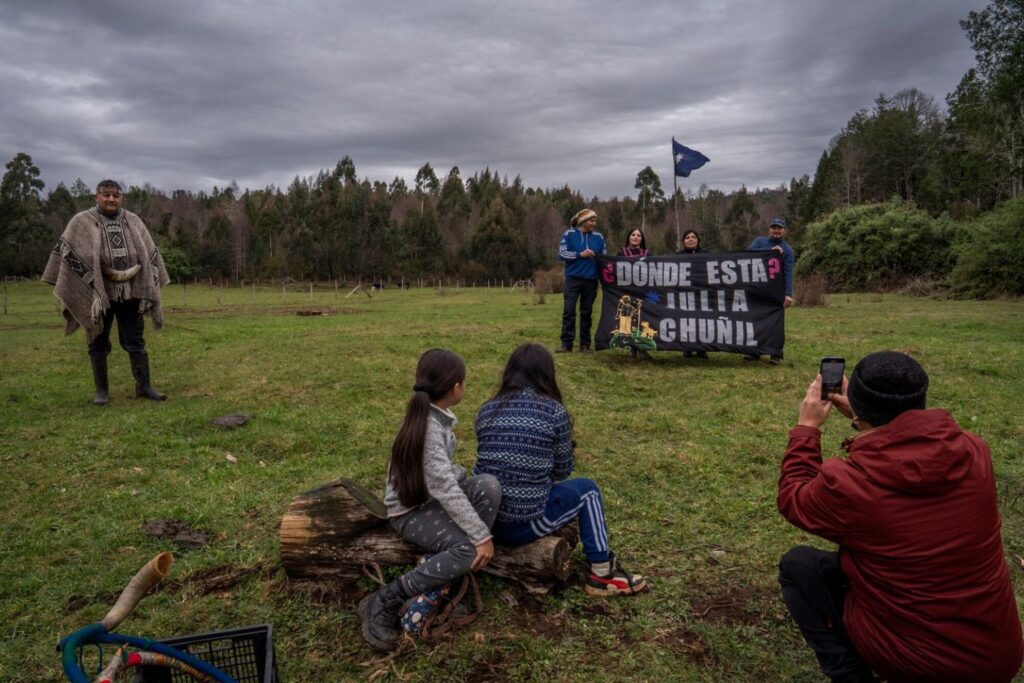
Farmers, indigenous leaders, forest guardians. At least 124 people were killed in 2025 for defending their land, rivers, and forests against the encroachment of mining operations, plantations, and drug trafficking. The figure comes from *Collective Power*, the annual report by the British NGO Global Witness, which has documented 2,375 murders and disappearances since 2012.
A decline that offers little reassurance
Compared to previous years, the number has dropped: in 2024, there were 142 victims, plus four missing persons; in 2023, there were 196. But the organization urges people not to interpret this as an improvement. The figures are in all likelihood much lower than the actual numbers: in 10 of the 15 countries where killings were recorded, civic space is considered “repressed”by the Civicus Observatory; journalists and organizations risk retaliation, and documenting these cases becomes nearly impossible. Furthermore, the killings are only the tip of an iceberg made up of threats, trumped-up trials, and smear campaigns on social media—tools increasingly used to silence those who protest.
Colombia, Brazil, Honduras
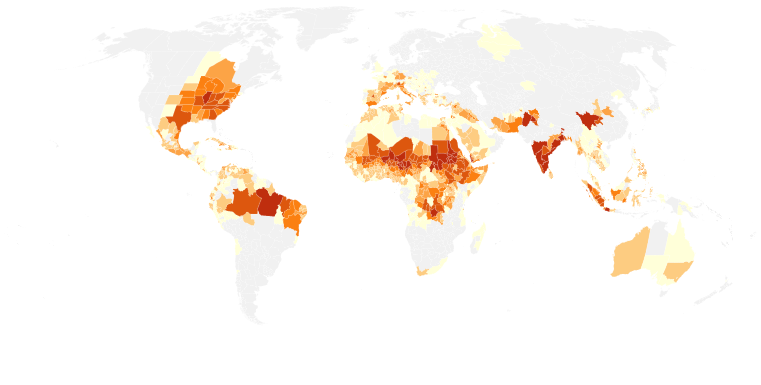
Latin America accounts for 85% of the cases. Colombia tops the list for the fourth consecutive year with 39 victims, nearly half of whom were indigenous; 13 murders took place in the department of Cauca, a strategic corridor for cocaine trafficking. In Brazil, which hosted COP30 in Belém in November, killings more than doubled, from 12 to 26, almost all linked to land conflicts in the Amazonian states of Rondônia and Pará.
The number has also doubled in Honduras: 12 victims, the highest rate in the world relative to the population. Ten were farmers from the Bajo Aguán Valley, which has been a source of conflict for decades between local communities and large oil palm plantations. Outside Latin America, the Philippines stands out, with 12 homicides, five of which are attributed to the military.
Land, Mines, and Organized Crime
More than half of the killings stem from land disputes, and nearly three out of four victims were farmers or indigenous people. Among economic sectors, mining is the deadliest, with 11 cases, followed by logging (8) and agribusiness (6). More than one-third of the homicides can be attributed to organized crime or hired killers, who are present in all six of the hardest-hit countries.
Cuts to international funding are a major factor in this situation: in 2025, development aid plummeted by 23 percent—the sharpest decline ever recorded by the OECD—and in Colombia, the office of the UN High Commissioner for Human Rights was forced to lay off nearly half its staff.
The Strength of Communities
The report devotes considerable space to collective responses. In the Peruvian Amazon, the Kakataibo people established their own indigenous guard in 2022—which now has over 150 members—to patrol the forest against coca growers and illegal loggers; since 2020, six Kakataibo leaders have been murdered.
Global Witness believes that governments should recognize and support these forms of community-based protection, rather than merely protecting individual activists, and should prosecute not only the perpetrators but also those who finance and order the attacks.