The resignation of the Minister of Ecological Transition—which was announced and then withdrawn within a matter of hours—dominated the headlines for two days. But the crux of the French case is not Monique Barbut’s personal fate: it is what the emergency agricultural law, definitively approved on July 21, brings back into play. Two insecticides that have been banned in France for years—acetamiprid and flupyradifurone—will be allowed to return under special exemptions for certain crops: the former only for hazelnuts, the latter for sugar beets, apple trees, and cherry trees. These exemptions will be subject to reviewby ANSES and may not exceed three years; the left has announced it will appeal to the Constitutional Council, which rejected a similar provision a year ago.
Molecules that do not remain in the field
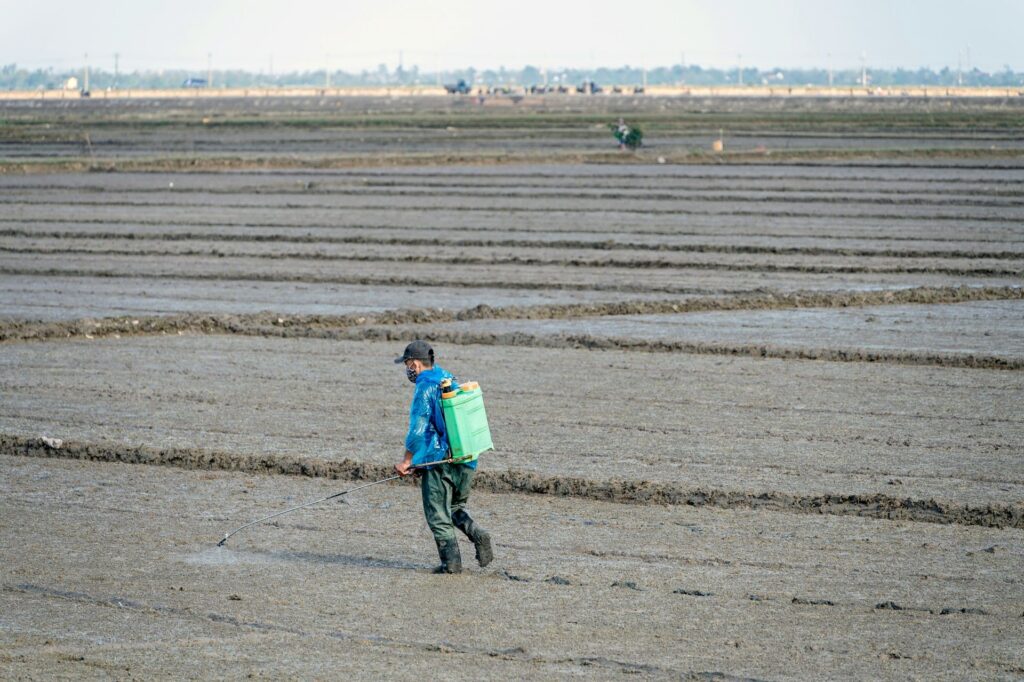
Both substances are systemic: they do not remain on the plant’s surface but travel from the roots to the flowers and end up in the pollen and nectar. Acetamiprid, moreover, is highly soluble in water and is poorly retained by the soil. It migrates: it is found in groundwater and waterways, so much so that since 2018 it has been included on the European list of substances to be monitored as potential water pollutants. For flupyradifurone, the European assessment acknowledges persistence in groundwater beyond regulatory thresholds. This is the crux of the issue that the idea of a “targeted and controlled” exemption aims to address: a molecule authorized for a single crop does not remain confined to that crop.
The Pollinator Count
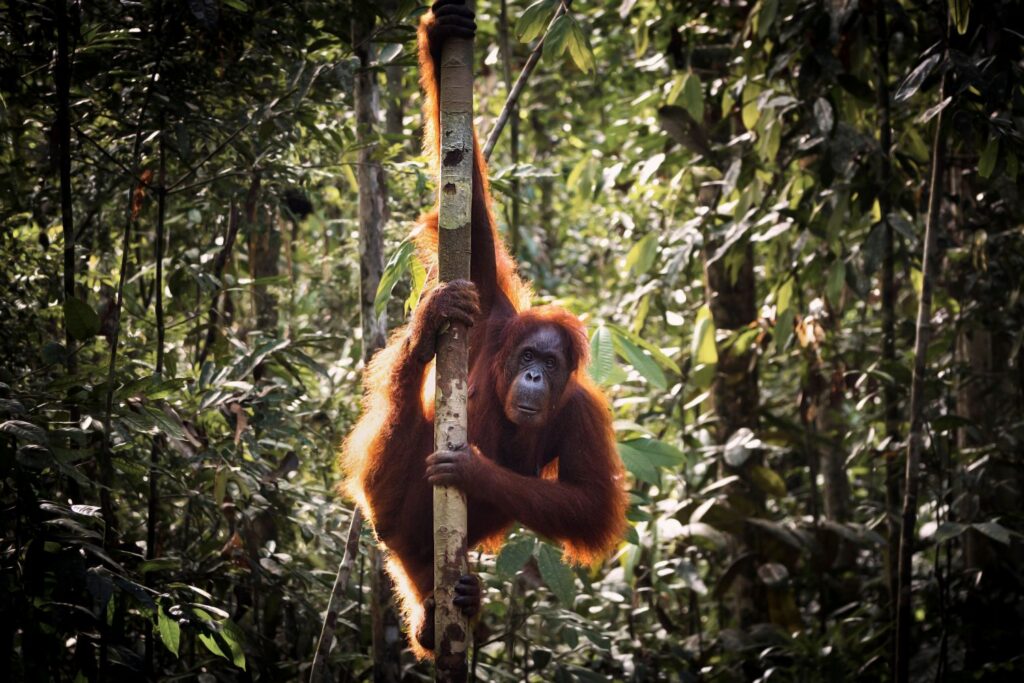
The stated target is narrow: the green stink bug and the Asian stink bug in hazelnut groves, and aphids that transmit viral diseases in sugar beets. The actual target is broader. In Europe, 10% of Apoidea species—172 in total—are threatened with extinction according to the latest update of the European Red List, and among butterflies, the proportion of species at risk has risen from 9% to 15% over the past fifteen years. Seventy-five percent of food crops depend on pollination, a service that the WWF estimates is worth $26 billion a year in Europe and about $3 billion in Italy. More significant than acute mortality are the sublethal effects: memory, orientation, foraging efficiency, and the number of nests established. Regarding flupyradifurone, EFSA has acknowledged that the 2015 assessment concerned only the honeybee and is unlikely to protect solitary bees—that is, the majority of wild pollinators.
What Europe Doesn’t Know Yet
In 2024, the European Food Safety Authority proposed dividing the toxicological reference values for acetamiprid by five: the acceptable daily intake and acute dose were reduced from 0.025 to 0.005 milligrams per kilogram of body weight. This decision was motivated by gaps in the data on neurotoxicity affecting the development of the nervous system in fetuses and children. In 2025, the agency had to establish protocols and deadlines for the missing studies, including those on endocrine-disrupting properties, which had never been assessed according to current guidelines. It is a substance authorized in the EU whose full profile is unknown. The picture regarding alternatives is mixed: for several uses, ANSES, the French health agency, had already deemed them “effective and viable” in two reports, while for the kernel, biological control using parasitoid hymenoptera is not yet viable on a large scale.
A setback that isn’t just a French one
In December 2025, the European Commission presented an omnibus package to simplify the authorization process for plant protection products: indefinite approvals for nearly all active ingredients, longer phase-out periods, and less frequent reevaluations. In June, twenty-nine researchers from twenty European institutions wrote in *Science* that these changes risk exacerbating the system’s problems rather than solving them. Meanwhile, the French petition against the Duplomb law has surpassed two million signatures, marking the largest mobilization ever recorded by the National Assembly’s website.
In the letter announcing his resignation—which he later withdrew at the request of President Emmanuel Macron—Barbut wrote that in recent months he had defended those who do not protest, do not vote, and do not speak out. This is the most accurate description of the problem: pollinators do not sign petitions, and aquifers do not follow an election calendar.