Spain has decided to give science a more permanent role in its climate change policies. The Council of Ministers has approved the creation of the Scientific Advisory Group on Climate Change Action, a body tasked with producing independent analyses and providing useful guidance to the government, even in crisis situations.
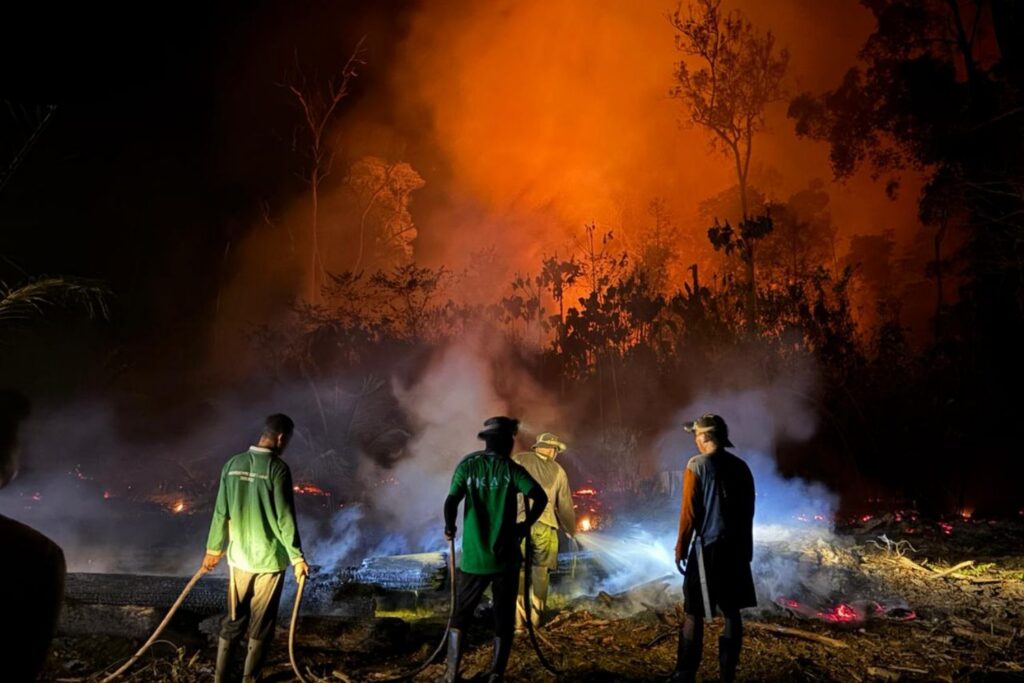
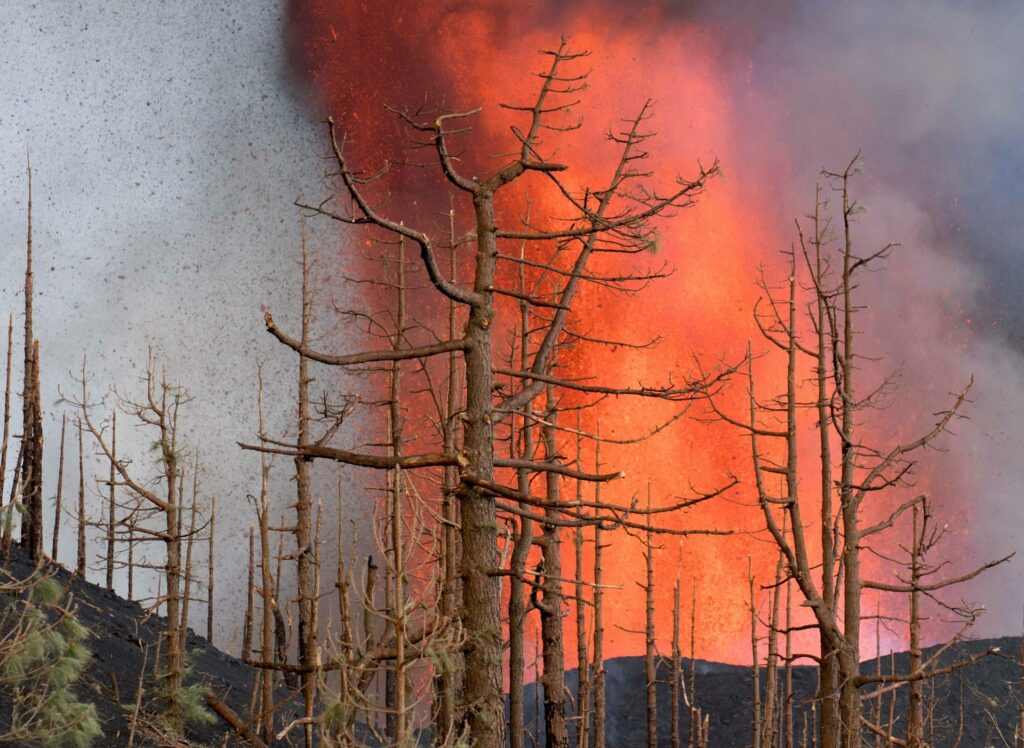
The decision comes as the country is grappling with an unprecedented wildfire season. As of 2026, according to the latest data from the Ministry for Ecological Transition, 172,396 hectares of forest have already been affected by the fires. This area is nearly half of the total area burned in 2025.
The most severe case is in Ávila, where a wildfire has devastated more than 77,000 hectares, making it the largest ever recorded in Spanish history. The fires have led to more than 63,000 evacuations, while another 35,000 people have been confined to their homes. The cost of firefighting efforts alone could reach 3.275 billion euros.
From Research to Protocols
The new body will be tasked with establishing a more direct link between scientific knowledge and public policy decisions. It will be responsible for preparing reports on the available evidence, proposing response protocols, and developing “future scenarios resulting from climate change.”
These analyses may be requested by various government departments both in the course of routine operations and during “crises and emergencies.” The goal is to strengthen the use of scientific expertise in the formulation of public policy.
A council composed of ten renowned researchers will oversee the studies. Their areas of expertise include climatology, ecology, geography, water resources, sustainable agriculture, health, the marine environment, engineering for ecological transition, environmental law, environmental sociology, and behavioral sciences.
This composition reflects the now-pervasive nature of the climate crisis. Water, health, agriculture, coastlines, ecosystems, and infrastructure are all parts of the same problem and require different areas of expertise to analyze them.
The Ministry of Science, Innovation, and Universities refers to “independent, rigorous, and multidisciplinary” analyses. The group is expected to begin its work in the fall, following the selection of experts scheduled for this summer.
A project that began before the fires
The new framework is not a hastily devised response to the summer’s wildfires. It is, in fact, the first pillar of the State Pact on the Climate Emergency, presented by the government in September 2025. According to the government, the project was subsequently finalized through a participatory process that gathered nearly 4,000 contributions from approximately 1,300 stakeholders.
Now, the decisive step will be the practical application of the information generated by the panel. A scientific report can identify risks, probabilities, and scenarios; it is then up to the institutions to decide what measures to take, within what timeframe, and with what resources.
This is where the Spanish experiment becomes interesting even beyond national borders. Climate policy concerns the goals set for 2030 or 2050, but also what happened this summer in the forests, the countryside, the cities, and along the coasts—and how much those emergencies cost in terms of lives, land, and public funds. Spain is therefore attempting to institutionalize the link between what research reveals and what institutions do. The first result to watch for will not be the number of reports produced, but rather which decisions those reports will succeed in changing.