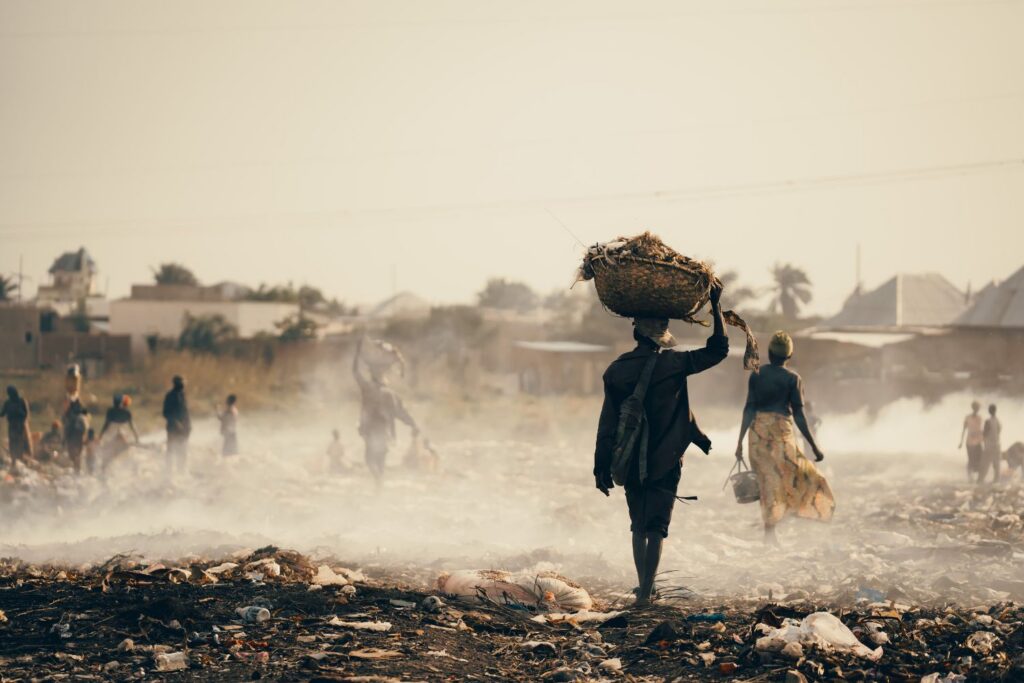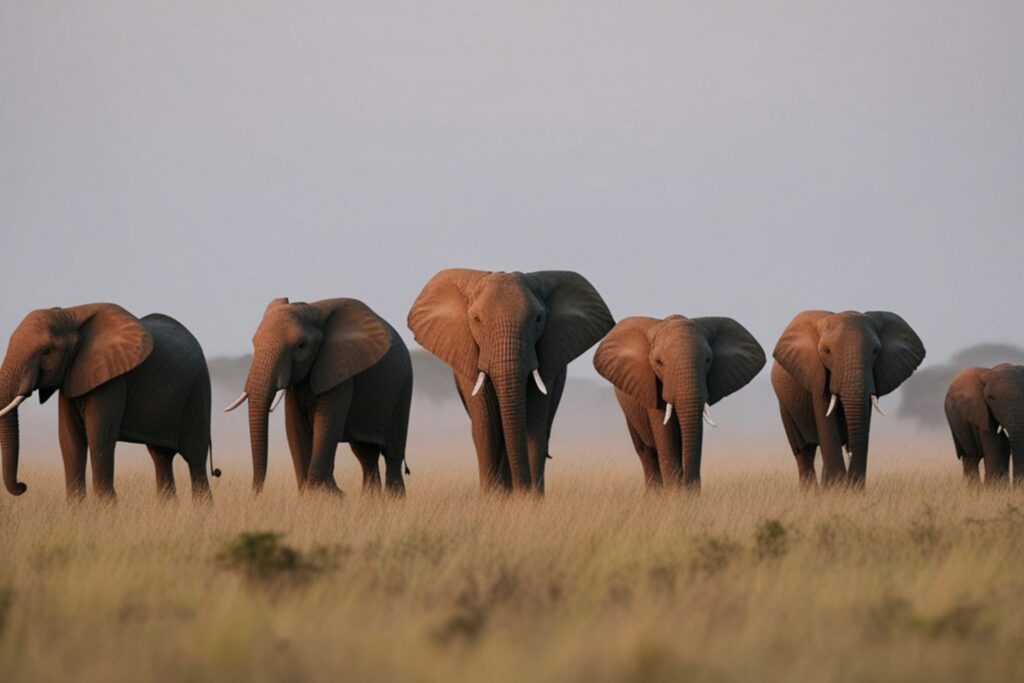
More than 2 billion hectares of land are currently degraded, an area that affects over 3 billion people and puts a growing number of species at risk. This is confirmed byUNEP in its publication“We Are #Generation Restoration,” which identifies seven areas of action to reverse this trend before drought and desertification become irreversible.
Let’s look at the numbers
Every year, governments provide $540 billion in agricultural subsidies. According to UNEP, about 87% of these funds are not tied to specific practices but are linked to production volumes: the result is that this same public money ends up rewarding intensive farming, the excessive use of fertilizers and pesticides, and the conversion of forests and wetlands into new farmland, because what counts is only yield, not the impact on the soil. To repair that damage, an almost identical amount—but with the opposite purpose—would be needed: $542 billion per year by 2030 for nature-based solutions. It is not the same money being redirected: these are two separate accounts that, by coincidence, place a similar burden on public budgets. One funds degradation; the other is supposed to repair it.
Soil and Pollinators
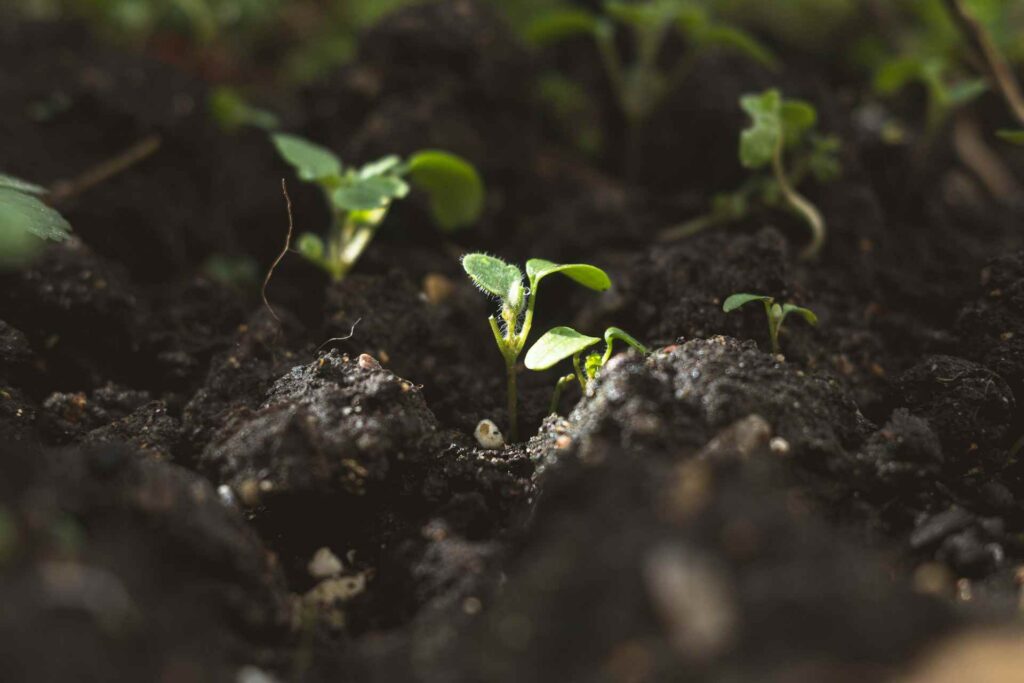
The soil is home to about 60% of all living species, and 95% of the food we consume comes from it. Direct seeding, composting, and drip irrigation are among the practices recommended by UNEP to keep the soil fertile. Three out of four crops that produce fruit and seeds also depend on pollinators—bees, but also bats—and all of them, the report notes, are in decline.
Water, the Sea, and the City
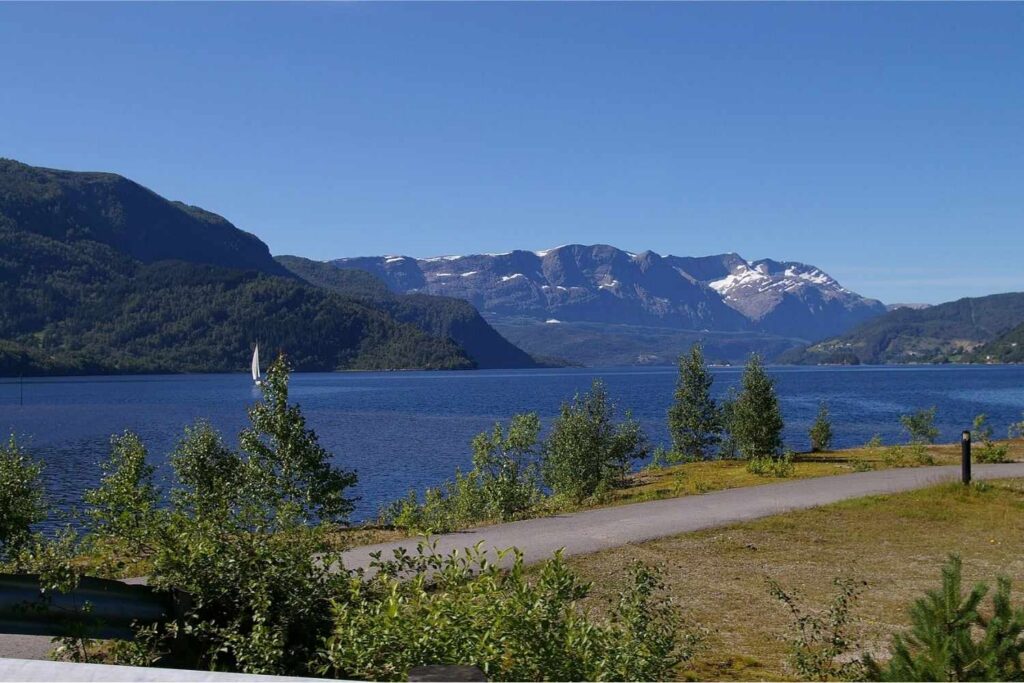
Freshwater ecosystems, threatened by pollution and overexploitation, can be restored through the Freshwater Challenge, an initiative launched in 2023 that dozens of countries have joined to restore 300,000 km of rivers and 350 million hectares of wetlands by 2030.
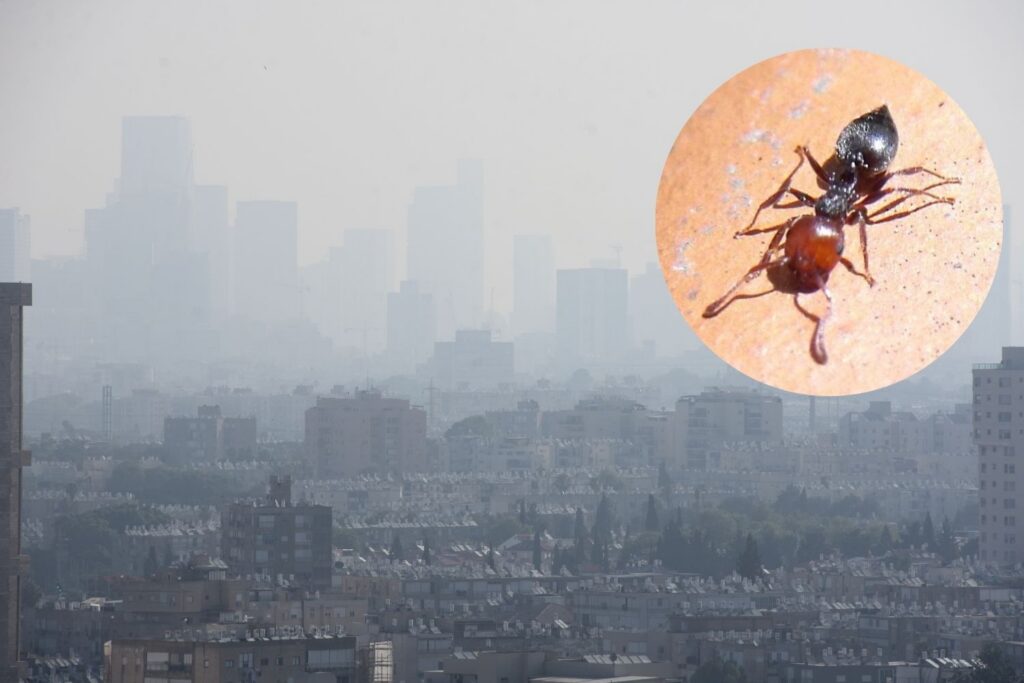
More than 3 billion people depend on coastal biodiversity: mangroves, coral reefs, and seagrass beds require stricter regulations on plastics and industrial discharges. Cities, which already consume 75% of the planet’s resources and will be home to two out of every three people by 2050, remain the most neglected front: urban forests and vertical gardens, as UNEP points out, are not mere decorations but climate infrastructure.
“Governments and businesses have a leading role to play in repairing the damage that humanity has inflicted on the Earth,” said Doreen Robinson, deputy director of UNEP’s Ecosystems Division, “but individual citizens also play a vital role in environmental restoration, which is crucial to our future as a species.”
The United Nations Decade on Ecosystem Restoration 2021–2030, led by UNEP and FAO, will end in less than four years. The figures in the report suggest that the issue is not one of resource availability—resources already exist, albeit poorly allocated—but rather the political will to shift them from those who degrade the soil to those who are trying to restore it.