London hosted a discussion this week that could influence the path toward COP31. Two priorities of the energy transition took center stage during London Climate Action Week: accelerating the electrification of consumer use and reducing methane emissions, starting with the fossil fuel sector.
The two issues were addressed as part of the same strategy. On the one hand, increasing the use of electricity in transportation, buildings, and industry to reduce demand for oil, gas, and coal. On the other hand, taking action on methane, a greenhouse gas responsible for about one-third of global warming and on which, according to the United Nations, results can be achieved relatively quickly.
Electrification Takes Center Stage at COP31
Electrification is no longer an issue confined to energy sector experts. Turkey and Australia, co-hosts of COP31, want to make it one of the pillars of the upcoming climate summit, setting a goal of having electricity meet 35% of global final energy demand by 2035, up from the current level of about 20%. To support this effort, the European Union and the United Kingdom have launched an international platform aimed at coordinating policies, sharing best practices, and fostering new investments.
The challenge, however, is not limited to the growth of renewable energy sources. We need more modern power grids, energy storage systems, adequate infrastructure, and tools to make technologies such as electric vehicles and heat pumps more accessible. As IRENA Director-General Francesco La Camera noted, “Over the past decade, renewable energy has transformed the way electricity is generated; the next decade must transform the way energy is consumed.”
The Natural Gas Issue
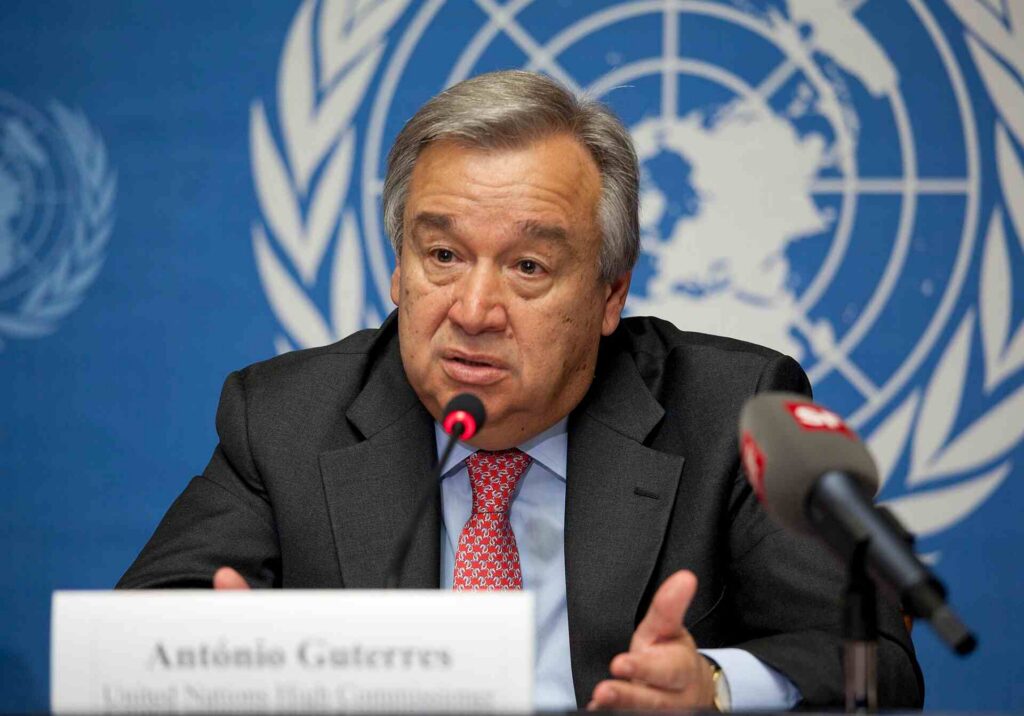
Alongside electrification, the United Nations has brought the issue of methane back to the forefront of the debate. Speaking at London Climate Action Week, UN Secretary-General António Guterres noted that this greenhouse gas traps much more heat than CO₂ in the first few years after release and that reducing its emissions is one of the most effective ways to limit global warming in the short term.“Drastic cuts could lead to a noticeable drop in temperatures within a generation,” he said, pointing to the fossil fuel sector as the area where the most immediate benefits can be achieved.
According to the International Energy Agency, about 70% of methane emissions generated by oil and gas extraction activities could be eliminated using technologies that are already available and, in most cases, at little or no cost. Yet in 2025, approximately 167 billion cubic meters of gas were still being flared—an amount equivalent to the annual consumption of the entire African continent.
The data also show that the energy sector continues to be the main source of anthropogenic methane emissions, ahead of agriculture and waste management. According to Guterres, the voluntary commitments made so far are not enough: more effective regulations and international standards are needed to reduce emissions throughout the entire oil and gas supply chain.
Crucial Investments
The London conference also highlighted another issue: that of financial resources. Achieving electrification goals will require much more substantial investments in energy grids and infrastructure, especially in developing countries. For this reason, Palau’s President, Surangel Whipps Jr., called for “rapid, predictable, and accessible” financing, while Guterres urged a reform of the international financial architecture to facilitate investments in the energy transition.
With just a few months to go before COP31, the message emerging from the British capital is clear: accelerating electrification and reducing methane emissions are two complementary paths. The first aims to reduce dependence on fossil fuels in the medium and long term; the second can help slow the rise in temperatures more quickly by targeting one of the greenhouse gases that currently has the greatest impact on the climate.