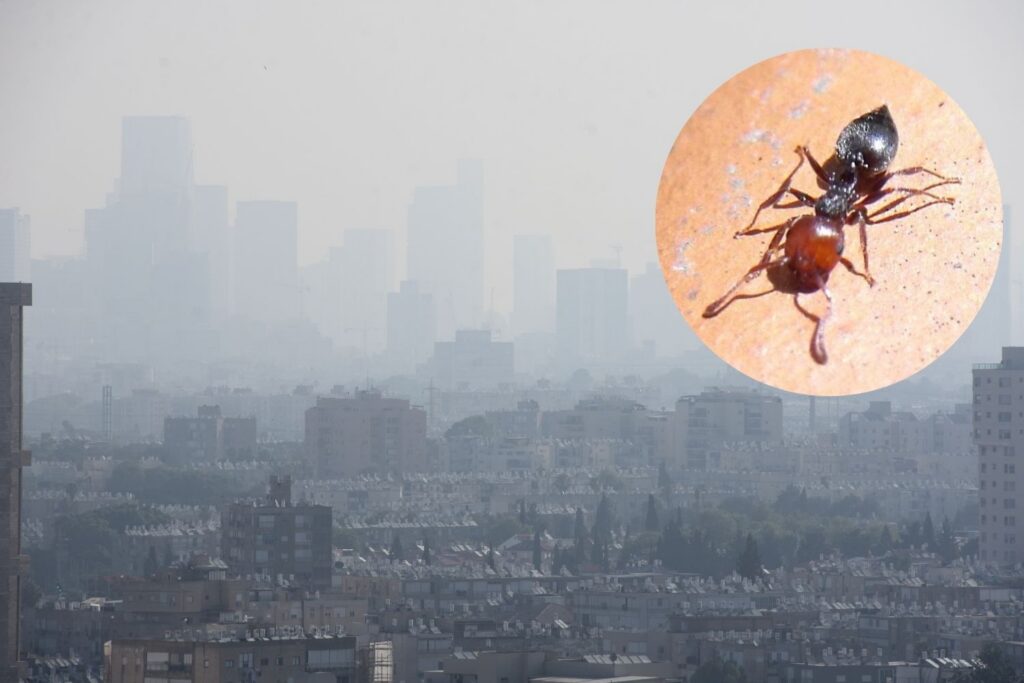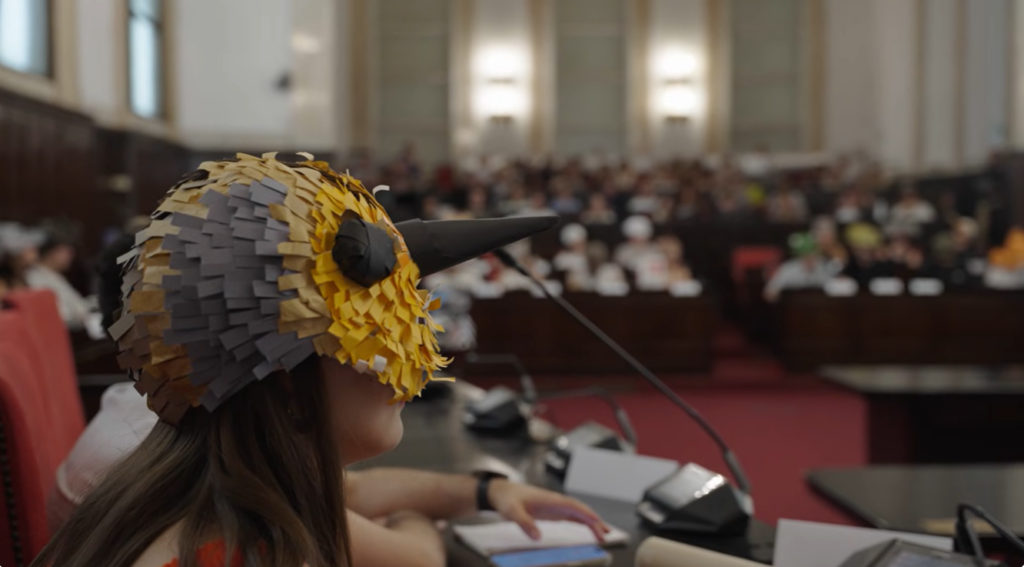
For a few hours on June 26, in the City Council chamber at Palazzo Marino, the future of Milan was discussed from a unique perspective: that of the animals that live there. Swifts, foxes, nutria, parrots, insects, and small mammals symbolically took the floor thanks to students from the Urban Design Laboratory at the Politecnico di Milano, who were the main participants in the first session of the Parliament of Living Species, an initiative organized in collaboration with the Piccolo Teatro and the City of Milan.
The idea began as a theatrical exercise, but it touches on an increasingly important issue: designing a city inevitably means also designing the ecosystems that run through it.
When the Perspective Changes
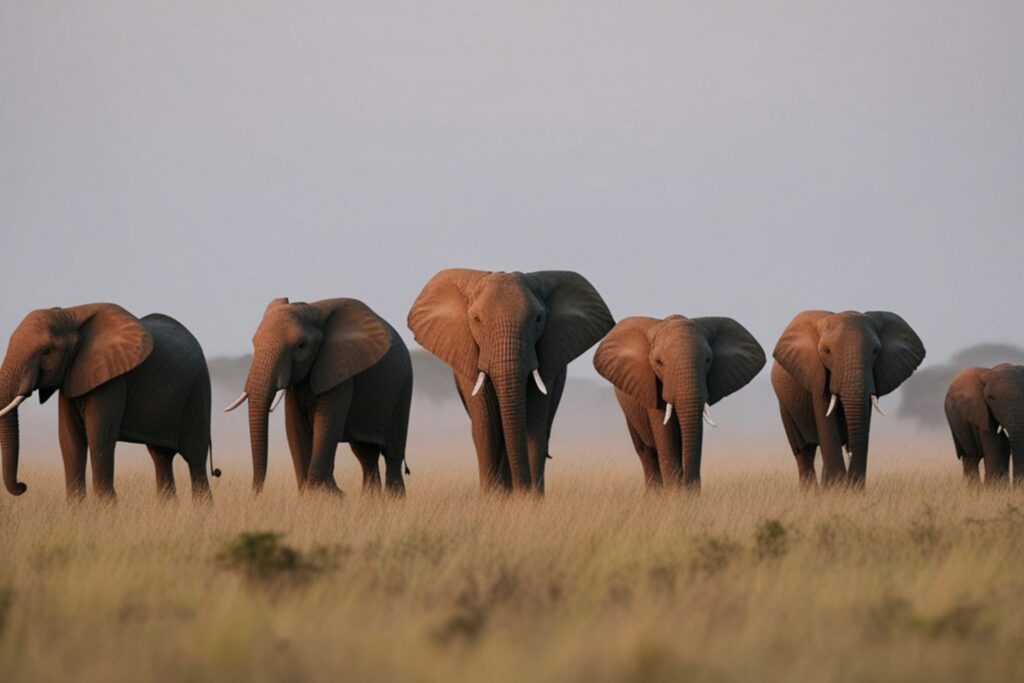
Thus, the fate of the San Siro Stadium becomes an issue that also affects swifts, for whom it is one of the main nesting sites. Foxes are calling for ecological corridors instead of new parking lots. Caymans welcome the reopening of the Navigli canals, while other small mammals warn of the risk of new barriers that fragment urban habitats.
Among the remarks, one stands out more than the others. “When you say ‘reopen the Navigli,’ we need to understand: do you want to recreate an ecosystem or a postcard scene?” asks the representative of the moorhen. It’s a joke, but it hits on an issue that affects many urban transformations: how much room is there really for nature in large-scale regeneration projects?
Biodiversity is not a minor detail
Milan is home to hundreds of wild species that share our buildings, parks, waterways, and green spaces. Yet when planning new infrastructure or redesigning a neighborhood, their presence often goes unnoticed.
“The opportunity to create a space where we can give a voice to the often-invisible creatures that share our lives here in Milan can help us make more informed decisions about the future of our cities,” notes Stefano Boeri, director of the laboratory that spearheaded the project.
Of course, no one imagines a parliament where animals actually sit among the benches. The initiative has a different purpose: to remind us that every urban planning decision has an impact on an ecosystem and that biodiversity cannot be treated as an afterthought to be added once a project is complete.
Cities facing the climate crisis, land consumption, and habitat loss will have to learn to think from this perspective as well. The Parliament of Living Species invites us to shift our perspective, because a city that works for animals also works better for people.