Every year, the night sky becomes about 10% brighter. This estimate comes from a study published in *Science*, which compiled 51,351 observations made by citizens around the world between 2011 and 2022. On average, the sky’s brightness has increased by 9.6% per year, a rate that would cause it to double in about eight years.
This phenomenon has an immediate consequence: it is becoming increasingly difficult to spot the stars in the night sky. But the loss of darkness also affects the life that moves, grows, and reproduces during the night.
An artificial sky above the cities
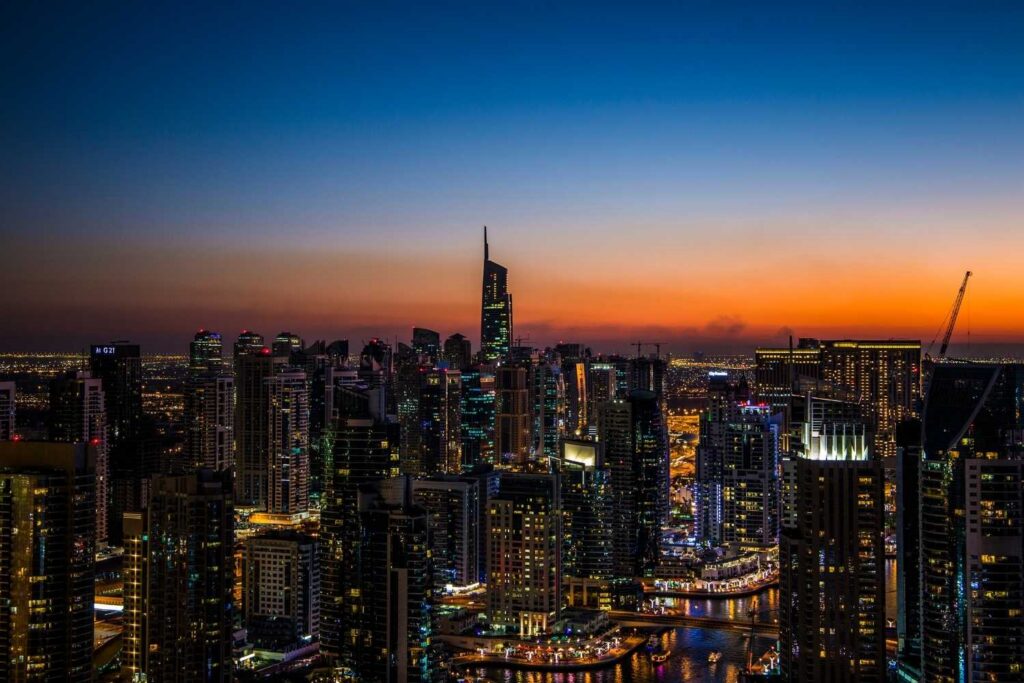
Light pollution is caused by artificial light that either directly reaches the night sky or is scattered into the atmosphere. Streetlights, buildings, parking lots, sports facilities, and signs all contribute to the diffuse brightness that prevents the sky from becoming truly dark.
Today, more than 80% of the world’s population lives under skies affected by light pollution. In Europe, the situation is even more pronounced: the phenomenon affects 88% of the territory covered by the study and over 99% of the population. The problem, therefore, does not concern only those who want to observe the Milky Way. Artificial light alters environmental conditions that for millions of years have followed the natural cycle of day and night.
How Light Influences Animal Behavior
For many species, nighttime is an essential part of their habitat. Nocturnal animals use moonlight to navigate or, as in the case of turtles, to lay eggs, while migratory birds may be attracted to urban lights and veer off course. Moths and other insects may congregate around light sources, disrupting their feeding, reproduction, and movement patterns.
The effects extend into the following day as well. A study published in *Nature Communications* found that artificial nighttime lighting can alter the interactions between plants and pollinators even during daylight hours. The research was conducted on 12 meadows in the Swiss Pre-Alps, six of which were artificially lit at night and six of which were kept in darkness. In nearly one-fifth of the plant species analyzed, artificial light altered the number of interactions with pollinators during the day.
Plants, too, can respond to light outside their normal cycle. A study conducted in the United Kingdom on four tree species found that in the brightest areas, spring budding could occur up to 7.5 days earlier.
Adjust the light instead of wasting it
The issue thus comes back to the cities. Reducing light pollution does not mean leaving the streets in the dark. It means designing lighting so that light is directed exactly where it is needed, preventing it from spilling into the sky, and choosing the appropriate intensity and characteristics.
Then there is a second challenge, one that is more difficult to manage: space. The Guardian reports that more than 11,000 Starlink satellites are currently in orbit and that the growing satellite traffic is adding new bright objects to the night sky.
The difference compared to a streetlight is clear: an urban light can be shielded, directed, or turned off. An increasingly crowded sky, on the other hand, requires regulations that also take into account the environmental effects of space activities. The night sky, beyond the city, is a distinct physical environment. And today, that, too, is changing.