London is rethinking the free museum model not only to manage tourist flows, but mainly because the system, squeezed by rising costs and cuts in public funding, risks becoming unsustainable. Rome is considering targeted concessions for residents to relieve the pressure of overtourism without giving up cultural access. Milan, on the other hand, chooses a different path: broaden, multiply, open up. Sunday, March 1, sees the return of“Sunday at the Museum,” the Ministry of Culture’s initiative that allows free admission to dozens of the city’s iconic sites: it is a test case on how to make culture a truly shared good.
Culture as urban infrastructure
In large European cities, the relationship between tourism, livability and access to cultural services has become a central issue. Opening them free of charge means making them an integral part of daily life.
Milan seems to want to push in this direction. Free admission, even if limited to one Sunday a month, allows students, families, young people and the elderly to return to spaces often perceived as distant or expensive. It is a concrete way to democratize cultural enjoyment and rebuild a direct link between citizens and public heritage.
Palazzo Marino: the palace becomes the city
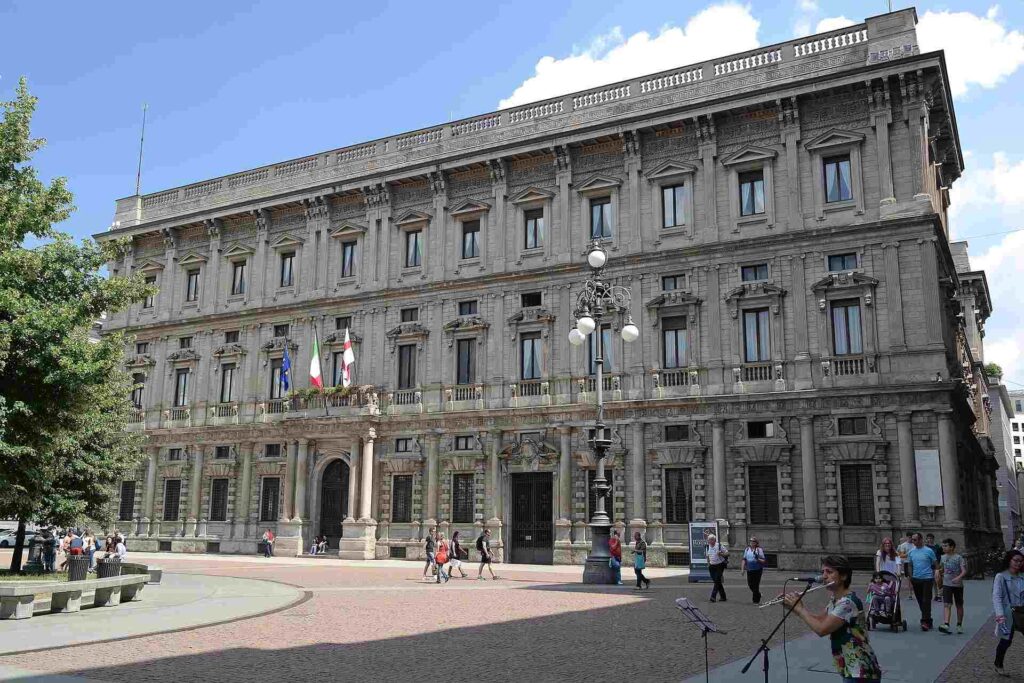
The most significant novelty of this edition is the free opening of Palazzo Marino, seat of the City Hall. A place usually associated with politics and administration that, for one day, is transformed into a public space to be explored. Guided tours, with reservations required, lead visitors on an approximately one-and-a-quarter-hour journey through the most representative rooms of the 16th-century palace.
Opening the institutional home of the Milanese means reducing the distance between citizens and public power, restoring symbolic value to spaces often experienced as inaccessible.
From the Upper Room to fashion: a widespread map
Alongside Palazzo Marino, “Sunday at the Museum” draws an urban cultural map. From the Cenacolo Vinciano to the Gallerie d’Italia in Piazza Scala, where photography, contemporary art and major exhibition events coexist, from the Pinacoteca di Brera to the Armani/Silos, which tells the story of fashion as a cultural and social language.
The Archaeological Museum, the Sforza Castle museums, the Rovati Foundation and the Museum of the Twentieth Century complete the picture. A widespread system that allows visitors to cross centuries of history, languages and visions in a single day, without economic barriers.
Gratuity, not fast consumption
The inevitable risk is that gratuitousness will result in overcrowding and superficial fruition. For this reason, the management of reservations, flows and visit times becomes crucial. But the goal remains clear: to turn free access into a social investment, not just a promotional operation.