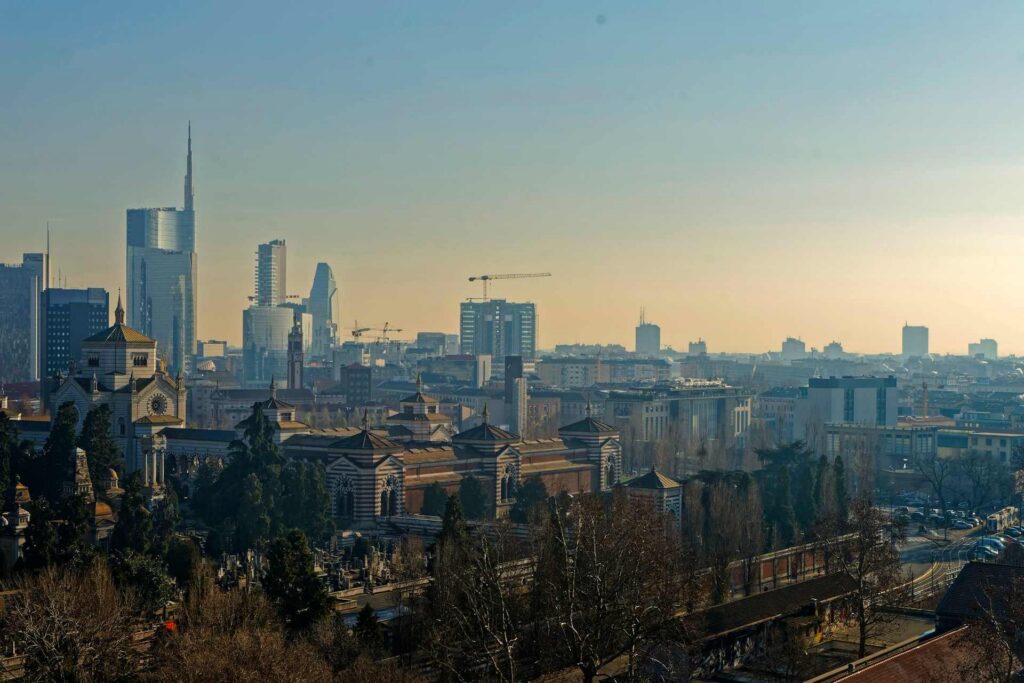
With only a few months to go until 2026, many Italian cities are already beyond – or dangerously close to – the new European air quality limits that will come into effect in 2030. This is the finding of an analysis published by ISDE Italy – Physicians Association for the Environment, which draws attention to the still too high levels of PM10, PM2.5 and nitrogen dioxide in urban areas.
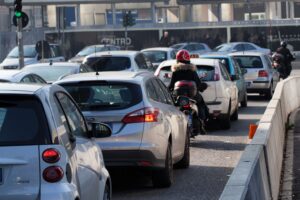
The situation is particularly critical in the Po Valley and in large urban centers, where vehicular traffic, domestic heating, and manufacturing activities continue to weigh heavily on the quality of the air breathed every day by millions of people.
“The new European Directive is an important step for the protection of public health,” stresses Roberto Romizi, president of ISDE Italy, “but the data show that without structural interventions, many cities risk failing to meet the required parameters by 2030.”
It is not just an environmental issue. The Physicians for the Environment Association recalls how air pollution is associated with an increased risk of cardiovascular, respiratory, oncological and neurological diseases, as well as being a major factor in premature mortality in Europe.
To turn the tide, ISDE Italy points to a number of priorities: reduce private motorized traffic, strengthen public transport, develop active mobility, make buildings energy efficient, phase out fossil fuels, and increase urban greenery. An ambitious program that requires the political will to act at all institutional levels.
“Comparison of the current data with last year’s clearly shows that without an immediate and substantial change in air pollution policies, it will not be possible to fall within the parameters of the European Directive by 2030, nor to prevent the consequent health effects,” warns Paolo Bortolotti, coordinator of the “Let’s Change Air” project. “Administrations at all levels need to be urged to take action in this regard.”
“Air quality must become a health priority as well as an environmental priority,” ISDE Italy concludes, “because the human, social and economic costs of pollution vastly outweigh the investments needed to prevent it.”