They enter our homes every day in the form of herbal teas, salves, and supplements. Yet medicinal and aromatic plants-so-called MAPs-are paying an increasing price for the climate crisis, habitat loss, and often overharvesting. On World Wildlife Day, dedicated this year to these very species, Legambiente publishes the report“Wildlife at Risk 2026,” drawing a picture that intertwines biodiversity, economics and health.
In Italy, some iconic species are in trouble. Gentiana lutea, an alpine and Apennine plant used for liqueurs and herbal preparations, is classified as “Vulnerable” or “Near Threatened” in several areas. In Sardinia, the situation is even more delicate, with populations considered endangered. Projections speak of a possible range reduction of more than 50 percent by mid-century in some Mediterranean regions. Arnica montana and Artemisia umbelliformis are also suffering from rising temperatures and intensive harvesting in the wild.
Alongside them are Juniperus communis, exploited for aromatic berries, Glycyrrhiza glabra for roots, valerian, and Hypericum perforatum. Harvesting vital parts such as roots and rhizomes compromises the regenerative capacity of wild populations, especially where habitats are fragmented or degraded.
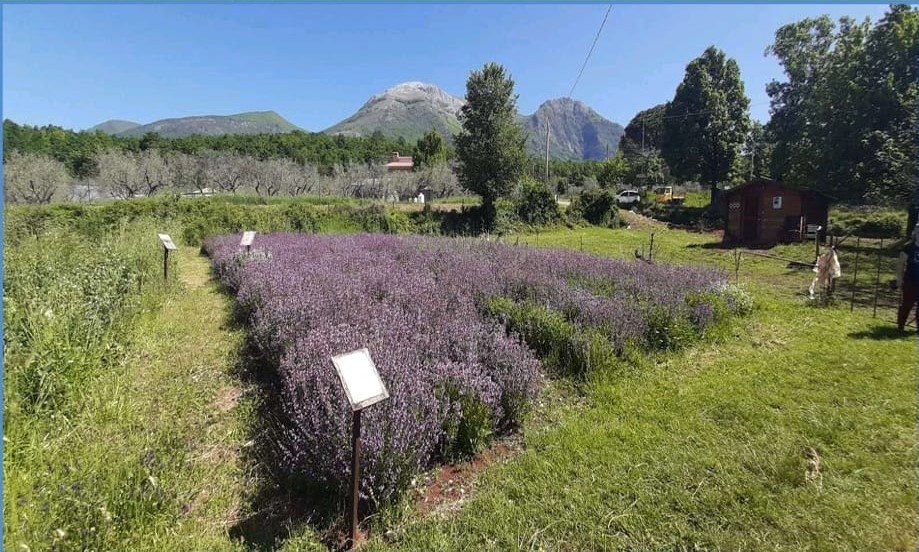
The paradox is that the sector is not marginal. In Italy, medicinal plants move over a billion euros a year. There are almost 9 thousand hectares cultivated, about 130 species involved and more than 400 specialized producers. Piedmont leads the ranking with 750 hectares, particularly in the Pancalieri area between Cuneo and Turin. But the richest natural concentrations are to be found in the Centre-South, major islands, the Alps and the Apennines, where climate and biodiversity favor an extraordinary variety of species.
According to IUCN, 31 percent of medicinal plants in Europe are in decline. Globally, CITES recalls, between 50,000 and 70,000 species are collected for medicinal and cultural uses; nearly 1,300 are listed in the Appendices that regulate international trade.
For Legambiente, the path is clear: avoid overfishing, standardize quantitative criteria and harvesting techniques throughout the country, and promote traceable and certified supply chains. Among the best practices surveyed in 2026 is the responsible supply chain in the Ernici Mountains, Lazio, where harvesting and processing are linked to shared protocols and careful habitat management.
The sea also finds its place in the report. Posidonia oceanica, a marine plant endemic to the Mediterranean, is a silent ally: it sequesters carbon, stabilizes the seabed, and improves water quality. Its regression – as much as 34 percent in half a century in some areas – is a direct sign of coastal health.
Medicinal plants are ecological infrastructure, local culture, income for inland areas. Treating them as an inexhaustible resource means compromising already fragile ecosystems.