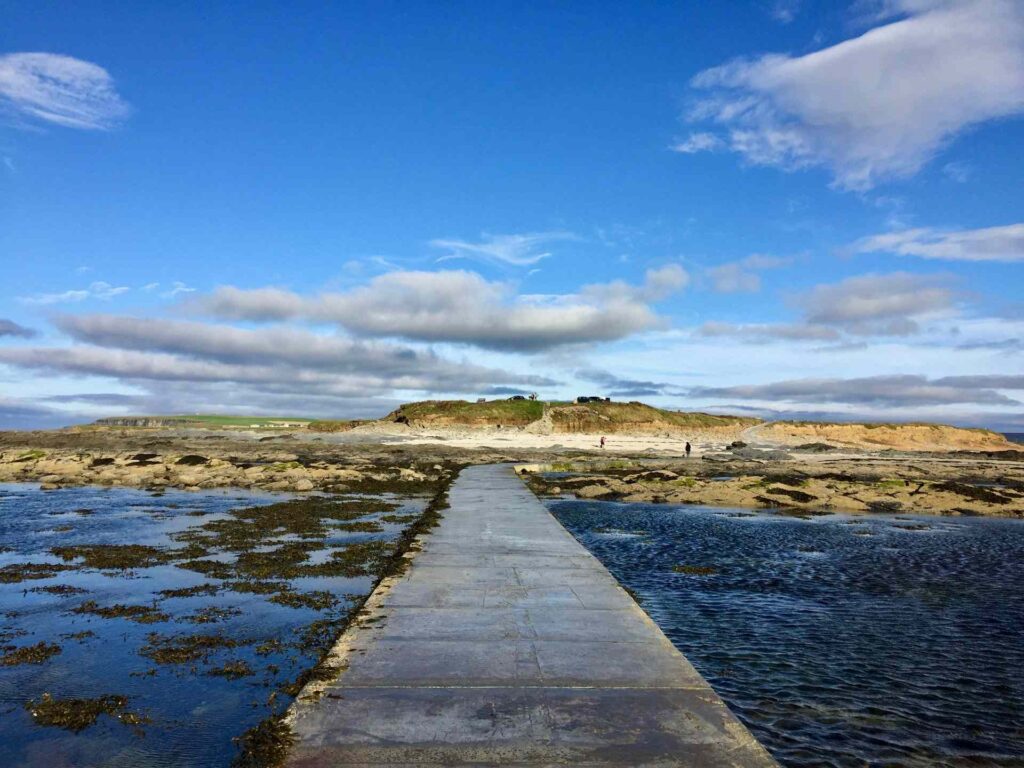
More than 15 million young oysters will be released into the North Sea off the coast of Orkney in one of the most ambitious marine renaturation efforts ever attempted in the United Kingdom. The project aims to rebuild a shoal spanning more than 100 hectares and restore ecological processes that disappeared decades ago.
Leading the initiative is a network that includes Green Britain Foundation, Nature Restoration Fund and Marine Fund Scotland. The plan involves land-rearing the oysters on calcium carbonate-rich substrates, then transferring them offshore to promote rooting and reduce predation in the early stages.
“It will not only benefit fish and the bay, but also marine mammals, seabirds and the entire environment,” Richard Land, project manager, explained to the Guardian, describing a ripple effect on the ecosystem.
A void two centuries long
Oyster beds were a structural component of British coastlines. In the 1800s they covered vast areas: in the North Sea they covered areas comparable to that of Wales. Then the collapse. Between 1840 and 1850, some 700 million oysters were consumed in London alone, a figure that restores the scale of exploitation.
Fishing has been compounded by pollution, dredging, and changes in the seabed. The disappearance of oysters has triggered a progressive loss of biodiversity and ecological functionality. Scientists speak of a “negative cascade”: less water filtration, less habitat, greater sediment instability.
Sea engineers
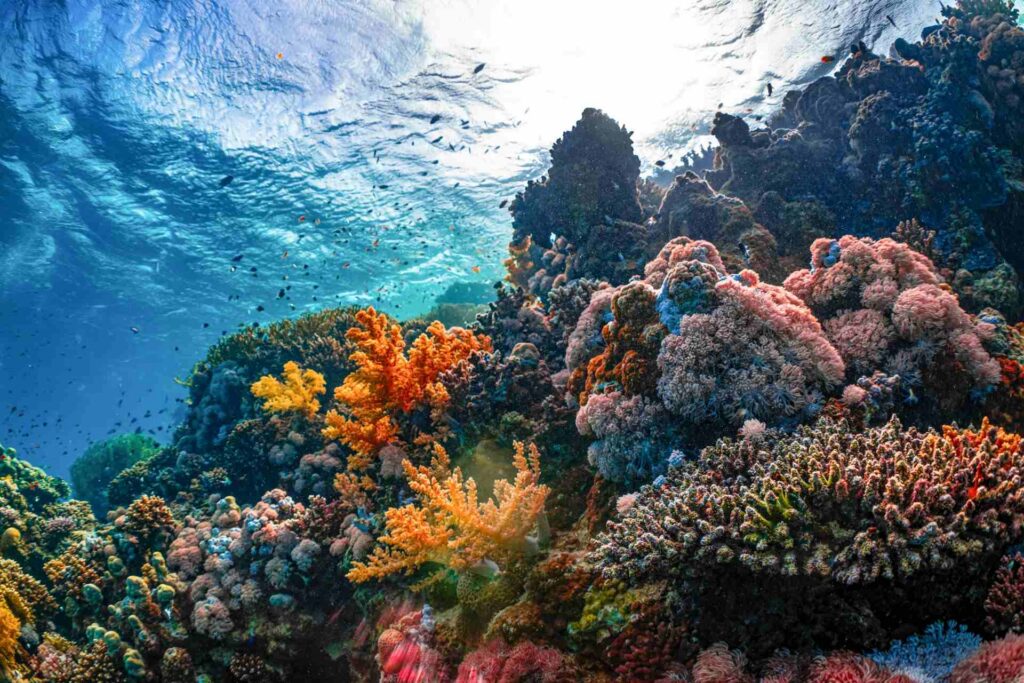
Oysters build habitats. Their barriers create hard surfaces in often sandy environments, providing shelter and substrate for dozens of organisms, from algae to invertebrates to commercial fish.The Orkney project aims precisely to reactivate this function. Initial structures serve as the basis for independent growth: once stabilized, colonies can expand and support complex biological communities.
“Breeding techniques are evolving to produce sufficient numbers of oysters from local genetic stocks,” noted Philine Zu Ermgassen, a researcher at the University of Edinburgh. “This is a crucial step in the recovery of an enormously valuable ecosystem.”
The climate node
Among its stated goals is to contribute to climate fight. According to proponents, the bench could sequester up to 76 tons of CO₂ per year. A figure expected to grow as algae and associated marine vegetation develop.But the scientific picture is more nuanced. A study published in Aquatic Conservation (Lee et al., 2023) shows that the carbon balance of oysters is the result of conflicting processes.
Each individual accumulates carbon in the shell and sediment, but also releases carbon through respiration and calcification. Overall, the authors conclude that these habitats can hardly be considered large carbon sinks on a global scale. Their contribution exists but is limited compared to other coastal ecosystems such as mangroves or seagrass beds.
More storage than capture
The key point lies in the distinction between capture and storage. Oysters promote the accumulation of carbon in sediments and shells, contributing to long-term stabilization. In other words, they retain carbon that is already present more than they significantly remove it from the atmosphere. The same study estimates an average net storage of about 1.5 grams of carbon per oyster per year, taking into account different inflows and outflows.
On a project scale, however, the effect becomes ecologically relevant: millions of individuals can contribute to carbon stocks in the seabed, especially if shoals remain undisturbed for decades.
A replicable model
Interest in these interventions is growing: there have been more than 30 European flat oyster restoration projects in Europe since 2013. The Orkney initiative is bidding to become an operational benchmark. “How can we make nature capture carbon for us?” wondered Dale Vince, among the funders. The answer, in this case, comes from a less simplified approach: working on ecosystems, not individual functions.
Importantly, however, the return of oysters is not a quick fix to the climate crisis. The data suggest more robust benefits on other fronts: biodiversity, water quality, coastal resilience. One operational lesson remains: rebuilding complex habitats produces widespread, often longer-lasting effects than single-target interventions. In the North Sea, the work has just begun.