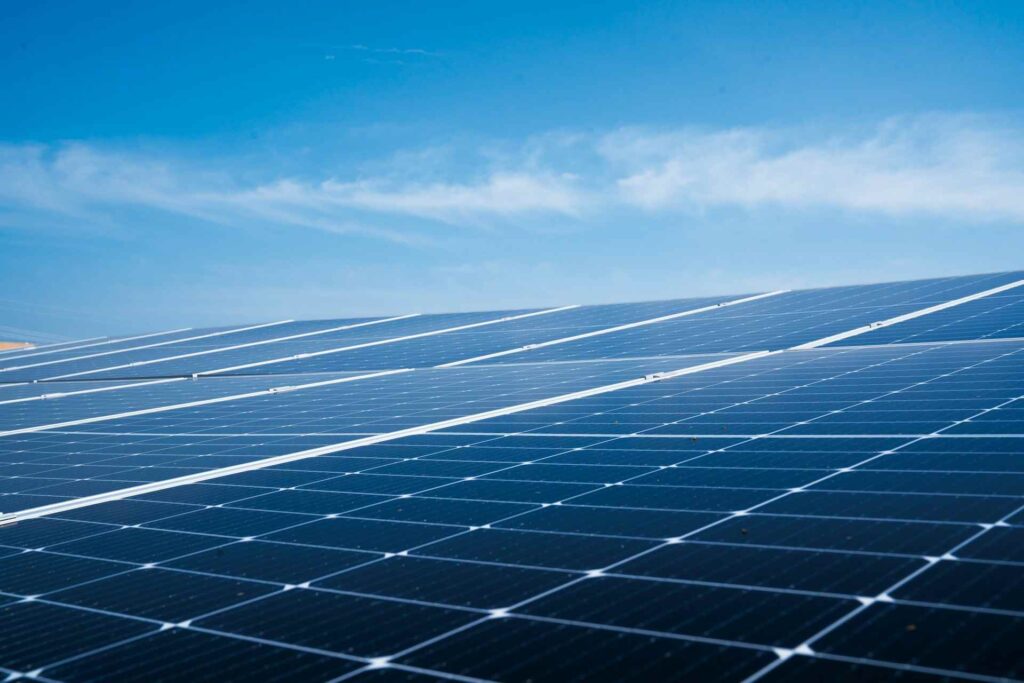
World energy demand is projected to grow 1.3 percent in 2025, down from the 2 percent jump recorded in 2024. What is striking, however, is not the slowdown itself, but who led the growth. For the first time in history, the leading source was not natural gas, nor oil, nor coal: it was solar PV. That alone covered more than 25 percent of the increase in global primary energy demand. Gas came second with 17 percent, oil third with about 15 percent. Overall, low-emission sources-solar , wind, hydro, and other renewables plus nuclear-accounted for nearly 60 percent of all the world’s energy growth in the year that just ended.
By 2025, solar production has increased by 600 terawatt hours (TWh), bringing total world production to nearly 2,700 TWh. This is the largest annual increase ever recorded by any energy source, outside of post-crisis rebounds such as post-Covid. Solar’s share of global electricity generation exceeded 8 percent for the first time and covered about 70 percent of the entire increase in global electricity generation in 2025.
The consequences are clearly seen on coal. For the first time since 2019-excluding the anomalous Covid collapse in 2020-global electricity generation from coal declined. In China the decline was 1.5 percent, in India 3 percent. In the European Union, coal’s share of electricity generation fell below 10 percent for the first time. Also in the EU, solar and wind together reached 30 percent of generation in 2025, surpassing the share of fossil fuels-another record.
Electric vehicles: one in four cars
The report also highlights the boom in the sale of electric cars surpassing 21 million units by 2025, a growth of more than 20 percent over the previous year. One of every four cars sold in the world is electric. In China even more: for the first time, electric cars exceeded 50 percent of all cars sold in the country, and sales of electric heavy trucks even tripled to more than 200,000 units.
In Europe, sales of electric cars have grown by 30%. In Germany there was +55% in the first half of 2025. In emerging markets outside of China, growth has been explosive: +80% on average. In India, total sales of electric vehicles reached 2.3 million units. In Indonesia +125%, in Mexico they tripled, in Brazil +40%. The global electric vehicle market is truly globalizing, with China being the main user and the main exporter.
The only major exception is the United States, where electric car sales marked – 2 percent in 2025. The main cause is the elimination of federal tax credits starting in September, combined with the cancellation of penalties for failing to meet consumer standards. Before that elimination, sales had hit an all-time high in the third quarter of the year. It is a clear signal of how much public policy can speed up or slow down the transition.
Electric demand grows twice as fast as total energy
So one structural fact concerns electricity: electric demand has grown 2.3 times faster than total energy demand. The reasons are many: electric vehicles (+38% electric consumption in 2025), data centers (+17%), heat pump heating, industry in transition.
And 2025 also brought a change that the IEA calls unexpected: for the first time since the 1990s, CO2 emissions in advanced economies grew faster (+0.5 percent) than those in emerging economies (+0.3 percent). A reversal that reflects specific and partly contingent dynamics. In advanced economies, a colder winter pushed up heating demand, driving up natural gas consumption. In several European markets, weak wind power during cold spells forced greater reliance on gas. In the United States, higher gas prices than in 2024 encouraged the substitution of gas for coal in power generation, with coal consumption increasing by as much as 10 percent in the U.S. power sector.
In emerging economies, however, the slowdown in emissions has been unexpectedly marked. China’s emissions fell by about 0.5 percent: the solar and nuclear booms reduced coal in power generation, while industrial electricity growth slowed due to global trade tensions. India is the most surprising case: its energy-related emissions remained flat in 2025, which has happened on only two previous occasions-in 2020 during the Covid and during the oil shocks of the 1970s. It happened because of a cyclical cause, the monsoon season, and a structural one: Indian renewables grew rapidly, partly replacing coal.
Overall, global energy-related emissions increased by about 0.4 percent in 2025, the slowest pace in years, but still a new record was set: over 38 billion tons. The good news is the slowdown; the bad news is the record.
The hidden savings: avoided fossils
And the slowdown is beginning to help the global balance sheet even if the turnaround is still missing. One of the most powerful figures in the Global Energy Review 2026 is the one that doesn’t normally make the headlines: how much coal, oil, and gas has not been burned thanks to the clean technologies already installed. The IEA estimates that the deployment of solar, wind, nuclear, electric cars, and heat pumps that occurred from 2019 onward avoided more than 35 exajoules of fossil fuel demand in 2025, or about 7 percent of global fossil fuel consumption. In terms of emissions, this is equivalent to 3 billion tons of CO2 less each year-about 8 percent of global emissions.
To give concreteness to the number: coal saved is equivalent to more than India’s entire coal consumption in 2025. Gas saved to nearly half of the global LNG market. These are real impacts, already in place, generated by investment choices made in past years.
This figure invites a reversal of perspective: instead of just asking why emissions continue to grow, it is worth asking how much they would have grown without the ongoing energy transition. The IEA’s answer is clear: much more. Still not enough, but the path of energy transition is the right one.