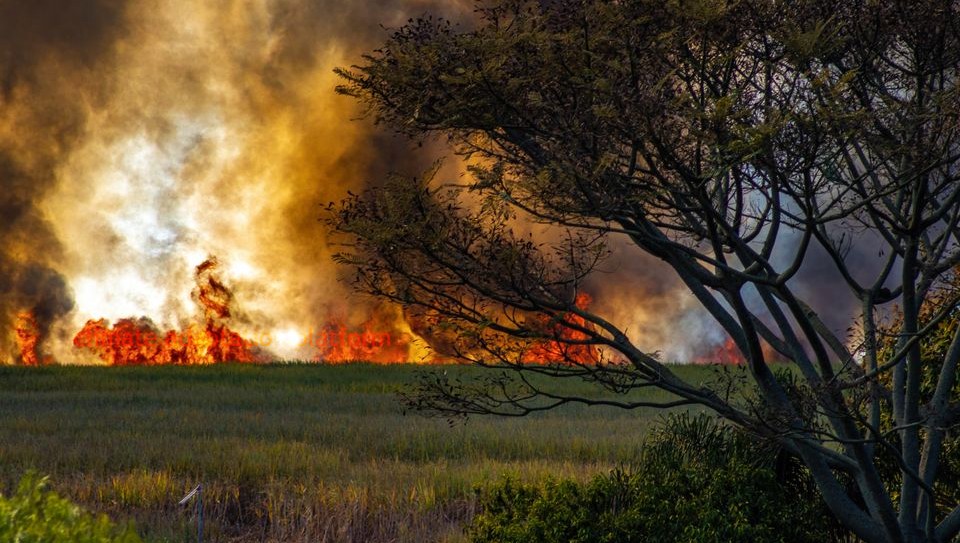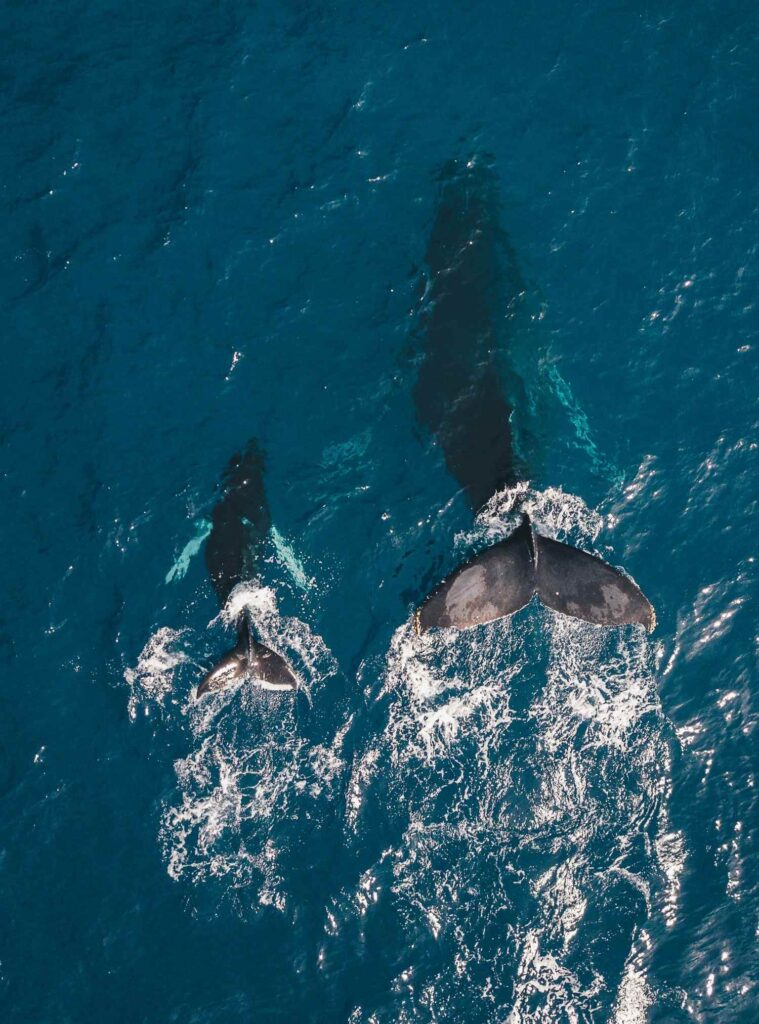
In the Strait of Hormuz, one of the world’s busiest sea passages, the truce announced between the United States and Iran after weeks of tensions has not stopped the impact on the ecosystem. On the contrary, it has transformed it.According to a Wired investigation, the return of commercial and military ships has once again filled this corridor just 34 kilometers wide, while naval mines, sonar and war debris continue to alter the marine environment. And paying a high price are already vulnerable species: some 7,000 dugongs and fewer than 100 Arabian humpback whales, an isolated population that does not migrate and cannot move elsewhere.
The killer noise
For cetaceans, sound is survival. Humpback whales orient themselves and communicate through low frequencies, the same frequencies occupied by ship engines and military sonar. When this acoustic space is saturated, the consequences are immediate. “They have no way to escape,” explained Olivier Adam, a researcher at Sorbonne University Abu Dhabi, quoted by Wired. Acoustic disturbance can cause disorientation, hearing loss and stranding. In some cases, it leads to reduced diving activity, with direct effects on feeding. Thus, the whales stop eating.
A sea that does not regenerate
In the narrowing of the Strait, military activity amplifies the physical effects on the water. Underwater explosions generate shock waves capable of damaging the hearing apparatus of marine mammals.
The Persian Gulf is a slow turnover system: it takes two to five years to fully renew its waters. This means that any contamination – oil, fuel, debris – gets trapped for a long time.A crude oil spill blocks sunlight, impairing the photosynthesis of the seagrass beds on which dugongs depend. At the same time, it alters the behavior of fauna: it attracts small fish, and consequently their predators, to contaminated areas.
Whale sharks, which feed near the surface, are among the most exposed. Sea turtles risk contamination of nesting sites, while birds and sea snakes suffer direct and indirect effects.
Scientific research on forced hiatus
War affects animals as well as our ability to study them. “Field work becomes impossible,” Adam noted. Monitoring campaigns stop just when they would be most needed. Even passive acoustic instruments, used to record cetacean songs, become useless: anthropogenic noise completely overpowers them.
This data gap comes at a crucial time. Gulf species are considered “extremophiles,” adapted to high temperatures and salinity, conditions that could become the norm in the oceans by 2050. Studying their resilience means anticipating the future of global marine ecosystems.
A natural laboratory under pressure
The Strait of Hormuz is a biological laboratory. Its biodiversity provides a unique case for understanding how marine life can adapt to extreme conditions. But this laboratory is in danger of being compromised. The surface lull is not enough to reduce the cumulative impact of traffic, pollution and military activity. On the contrary, the resumption of shipping intensifies pressures on an already fragile system. War here accumulates over time, on the seabed, in the bodies of animals and in the silence that is no longer there.