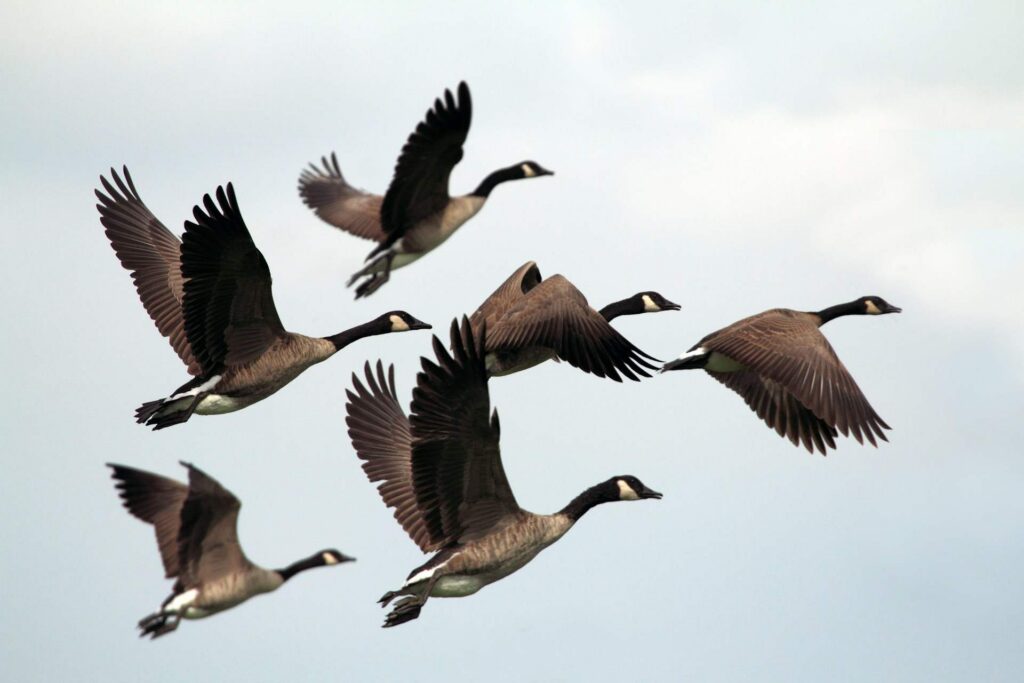
Italy’s first birdwatching school has opened in Comacchio, using binoculars equipped with artificial intelligence to identify bird species. The project, promoted by the Emilia-Romagna Po Delta Park in collaboration with Swarovski Optik Italia and sponsored by EBN Italia, is launching in an area that has seen nearly 350 bird species pass through over the last fifty years, with about 150 breeding species and over 170 wintering species.
How the Technology Works
The centerpiece of the project is AX Visio, a pair of binoculars equipped with an artificial intelligence module capable of automatically identifying the species being observed. The technology does not replace direct observation; rather, it complements it by providing the species name in real time and helps beginners build a visual vocabulary more quickly.
Three levels of training
The educational program is divided into three modules. The first two, dedicated to an introduction to birdwatching and advanced identification techniques, are free and include field trips, the use of binoculars and spotting scopes, as well as data entry on eBird, the most widely used international citizen science platform for bird monitoring. The third module, which requires a fee, includes dawn and dusk field trips, nature photography using digiscoping techniques, meetings with ornithologists, and access to the school’s national network. This is followed by specialized modules on challenging species, butterflies, and dragonflies, as well as live nature sketchbook workshops.
A Biosphere Reserve Area
The Po Delta in Emilia-Romagna is a UNESCO Biosphere Reserve and includes several wetlands protected under the Ramsar Convention. Brackish valleys, lagoons, reed beds, and pine forests are home to iconic species such as the greater flamingo, spoonbill, black-winged stilt, avocet, little grebe, and purple heron, which can be observed at sites such as the Comacchio Valleys and the Argine degli Angeli.
An industry worth over a billion
According to estimates by ISPRA, Federparchi, and BirdLife Italia, birdwatching involves between 120,000 and 240,000 participants in the country, with a direct tourism market estimated at approximately 280 million euros and a total economic impact exceeding one billion. The most represented age group remains those between 45 and 65 years old, but the over-55 demographic is growing, driven in part by active retirees. Added to this is a body of scientific research linking birdwatching to measurable benefits for mental well-being: studies published in *Scientific Reports* (King’s College London, 2022), the *Journal of Environmental Psychology* (2024), and *The Lancet Planetary Health* (2024) document a reduction in stress among those who practice it regularly.
The school also opens up career opportunities—ranging from nature guiding to sustainable tourism and environmental education—and provides access to a network of organizations active in conservation. For more information: 059 8677340, birdwatchingschoolparcodeltapo.it.