The latest Eurostat data show that European agriculture is undergoing a profound structural transformation. Within a few days, the European statistical office reported that traditional livestock populations continue to decline and that, at the same time, the number of beehives recorded on farms has risen to 9.4 million. Italy is at the forefront of this transition, with a surge that has brought the number of beehives to nearly two million.
The decline of dairy farms and the boom in beekeeping are the different responses of distinct sectors to the exact same pressures: rising operating costs, unstable markets, and a climate that is becoming increasingly difficult to cope with.
Why Are Stables Closing?
Long-term figures (2015–2025) show that livestock farming is declining across Europe, from cattle and pigs to sheep and goats.
Overall meat consumption remains steady, though there has been a shift from red meat to poultry. The crisis facing livestock farms, however, is playing out in their financial statements. Soaring energy costs, rising feed prices, the investments needed to comply with European animal welfare regulations, and cuts in the use of medications have sharply reduced profit margins. Faced with fixed costs considered stifling and the chronic problem of generational turnover—with young people struggling to take over such complex and heavily regulated operations—many farmers are choosing to close their operations.
The Beehives
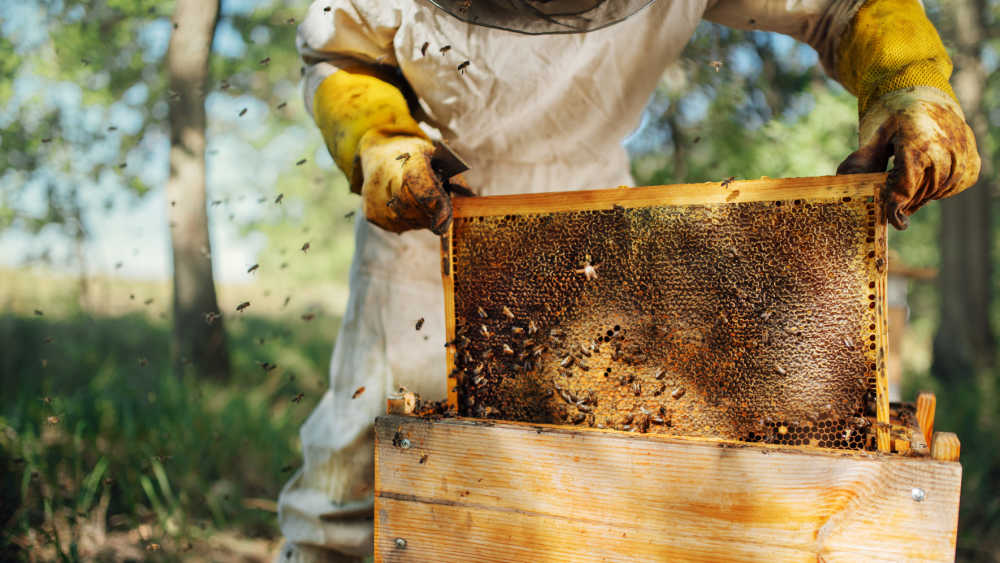
While livestock farming is declining, commercial beekeeping has grown by 16% over three years. However, more hives do not necessarily mean more honey on the market.
The beekeeping sector is, in fact, one of the hardest hit by the effects of the climate crisis. Prolonged droughts and torrential, off-season rains disrupt flowering schedules, reducing yields and forcing producers to resort to constant artificial feeding to save their colonies. If honey doesn’t generate income, why do farms invest in bees? The answer lies in diversification and the protection of their crops. Bees have effectively become a farm’s biological infrastructure, integrated into the land both to ensure pollination—and thus productivity and quality—of fruit, sunflowers, and rapeseed, and to access funding from the Common Agricultural Policy (CAP).