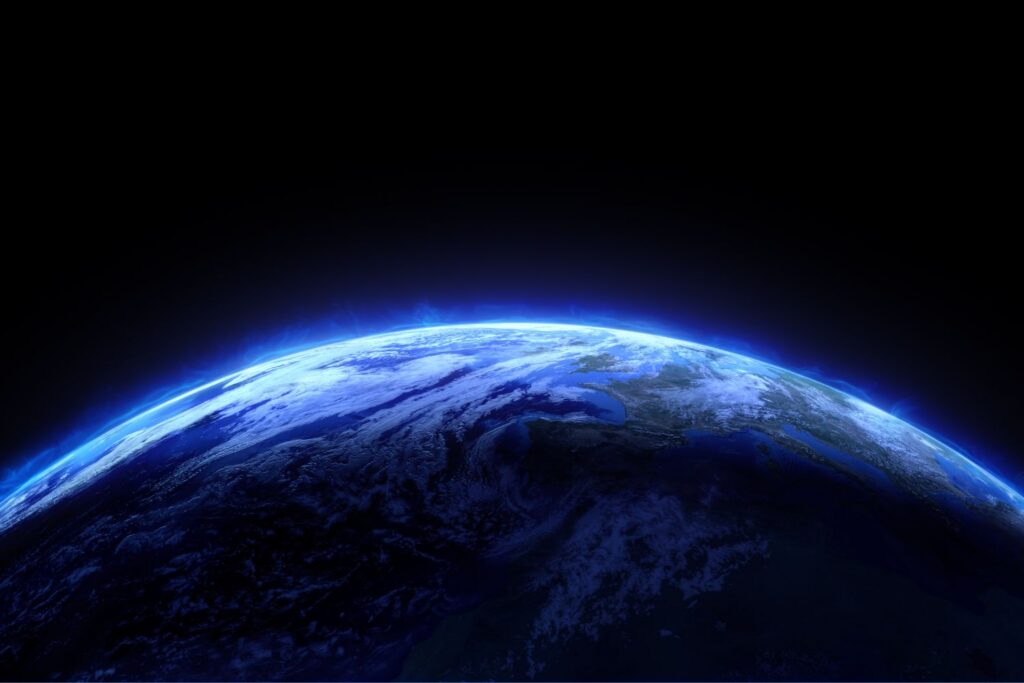
El Niño is already underway, but it has yet to reach its peak. The phenomenon consists of a periodic warming of the surface waters of the eastern Pacific, caused by a weakening of the trade winds: it occurs naturally every two to seven years and lasts an average of nine to twelve months, with climate effects that extend far beyond the section of the ocean where it originates. According to the Met Office, the United Kingdom’s national weather service, the event currently developing could become the most intense ever observed since reliable records began, surpassing even the previous records from 1997–98 and 2023–24.
The most recent projections indicate that surface temperatures in the equatorial Pacific will rise by more than 3°C by the end of the year—a figure that, if confirmed, would redefine the scale by which we measure these events. To put this in perspective: a “typical” El Niño involves a rise of 1–2°C. Anything above 2°C is already considered an exceptional event, informally dubbed a “Super El Niño.”
What still needs to happen
The bulk of this El Niño’s climate impact has not yet materialized. The most severe effects, climatologists explain, will occur between late winter and early spring 2027, when the heat accumulated in the ocean will be released into the atmosphere on a massive scale. It is during that period that 2027 could experience enough warming to make it the hottest year on record: the World Meteorological Organization has already indicated a possible additional contribution of 0.2°C to the global average temperature, which would be on top of the underlying warming caused by greenhouse gases.
The expected consequences vary by geographic region and are not uniform. In the tropics and the Southern Hemisphere—specifically South America, the western Pacific, southern Africa, and northeastern Australia—particularly severe droughts are forecast. In northwestern Europe and the United Kingdom, on the other hand, fall is expected to bring heavier-than-normal rainfall and storms. “We’re not talking about short-term weather forecasts, but about long-lasting conditions,” said Adam Scaife, head of long-term forecasting at the Met Office, highlighting the potential implications for global food security.
The game is already underway: the Panama Canal and Colombian coffee
Some effects, however, are already measurable. In Panama, where the canal relies on rainwater to operate its locks, water levels in the Gatún and Alajuela basins are falling faster than expected. The Canal Authority has reduced daily transits to 34 ships since September, with a further reduction to 32 starting September 15, mirroring the situation in 2023–24, when transits had dropped to just 22 ships per day. About half of the gas tankers bound for Asia are already choosing the longer route around the Cape of Good Hope, which takes nearly twice as long as the route through Panama.
In Colombia, the world’s third-largest coffee producer, the National Federation of Coffee Growers estimates an 8% decline in the 2026 harvest—not because of the recent earthquake that struck agricultural areas, but due to the rains at the start of the year linked to the onset of the El Niño phenomenon. “Production will most likely be affected by El Niño,” the federation’s president, German Bahamon, told Reuters .
An event to keep an eye on
The key point, for those following the climate crisis, is that the most critical event has yet to unfold. NOAA assigns a probability of over 90% to a “very strong” El Niño occurring in the Northern Hemisphere during the fall and winter of 2026–27. The coming weeks will reveal whether current estimates hold true or whether, as has happened in the past, reality will exceed even the most conservative projections.