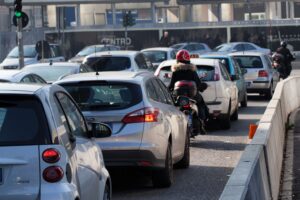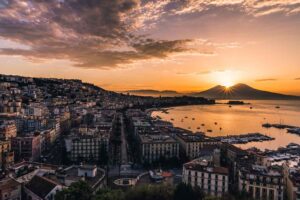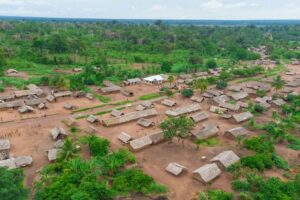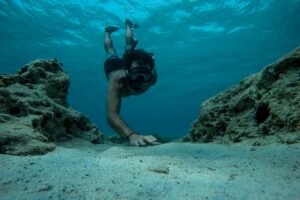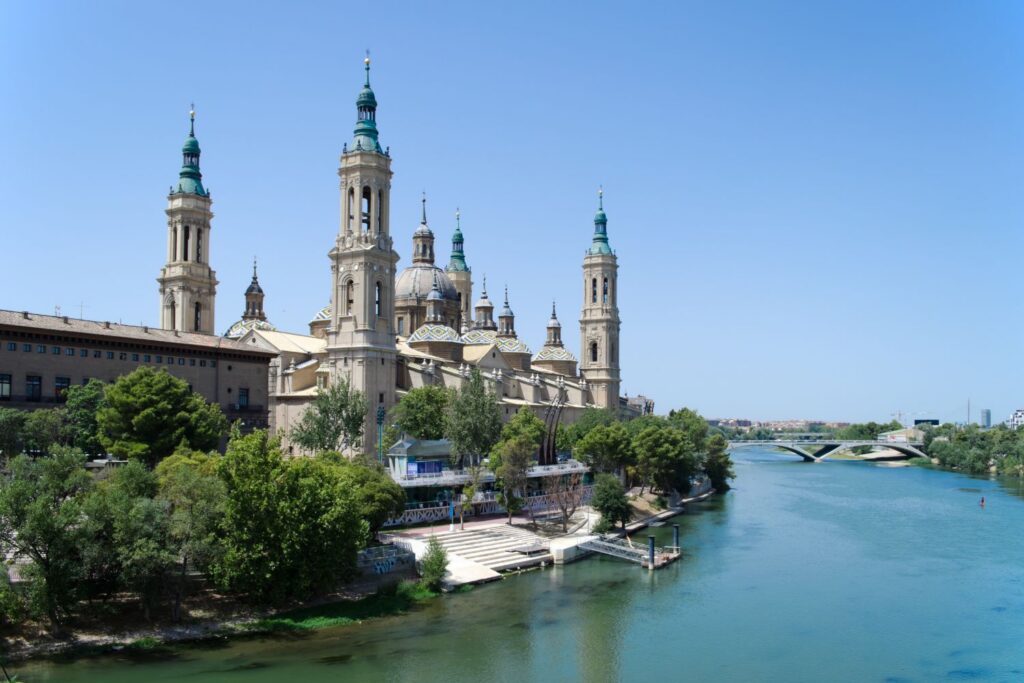
Zaragoza is working on climate resilience, Benidorm is seeking a balance between tourism and environmental protection, and Estarreja is tackling the heavy legacy of industry. Three different paths and a shared honor: on October 8, the European Commission awarded the 2028 Urban Sustainability Awards to cities in Spain and Portugal. Zaragoza will be the next European Green Capital, while Benidorm and Estarreja will share the title of European Green Leaf, dedicated to smaller towns. The awards include a total of one million euros to support the environmental initiatives of the three municipalities.
Zaragoza “at the heart of the environmental transition”
According to the international jury, Zaragoza’s strength lies in its ability to maintain an environmental strategy over time and to respond to the pressures associated with climate change. The European assessment also highlights the link between sustainability and the social dimension, with the involvement of local communities.
The title of European Green Capital is reserved for cities with more than 100,000 residents and comes with a grant of 600,000 euros. The funds will be used to support initiatives related to the ecological transition, at a time when city governments must reduce their environmental impact and prepare for the effects of rising temperatures and extreme weather events.
Jessika Roswall, the European Commissioner for the Environment, Water Resilience, and a Competitive Circular Economy, has described cities as “at the heart of Europe’s environmental transition.” In the Commission’s press release, Roswall lists bringing nature back into neighborhoods, reducing pollution, and improving waste management among her priorities.
Benidorm and Estarreja: Two Different Challenges
Benidorm must balance the pressures of mass tourism with environmental protection. The jury recognized the Spanish city’s ability to address this challenge while maintaining a focus on sustainable development. The European Green Leaf Award, which is given to cities with populations between 20,000 and 100,000, is worth 200,000 euros.
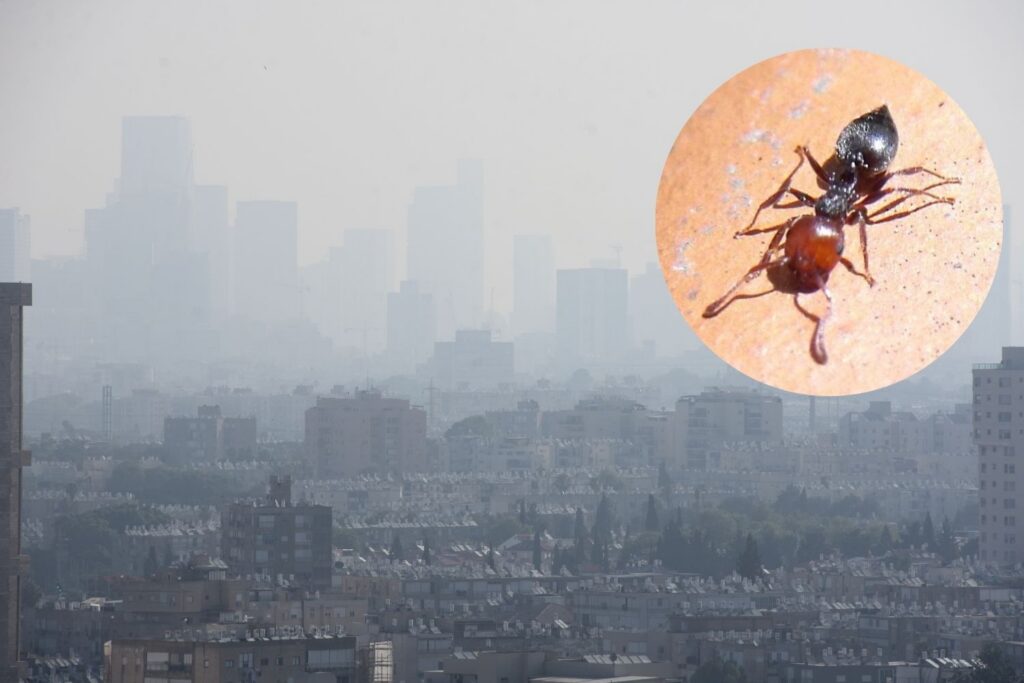
Estarreja, which also received a prize of 200,000 euros, represents a path of transformation rooted in its industrial past. According to the European Commission, the Portuguese city stood out for the collaborative initiatives it undertook to address this legacy, focusing on a more sustainable development model.
There were 27 nominations, and the selection process covered seven environmental areas: air quality, water management, biodiversity and green spaces, sustainable land use, waste and the circular economy, noise pollution, and climate change mitigation and adaptation. Seven cities advanced to the final stage of the competition.
The European Goal for Urban Green Spaces
The awards are part of a broader initiative that also addresses the future of urban green spaces. The European Nature Restoration Regulation stipulates that there must be no net loss of urban green spaces and tree cover by 2030, with a gradual increase thereafter.
The challenge for local governments will therefore be to preserve and expand their natural heritage as housing, economic, and climate needs change. The 2028 awards follow those given to Guimarães, the European Green Capital in 2026, and precede the title’s transfer to Heilbronn, Germany, in 2027. In the same year, the European Green Leaf will also be awarded to Siena and Assen, in the Netherlands.