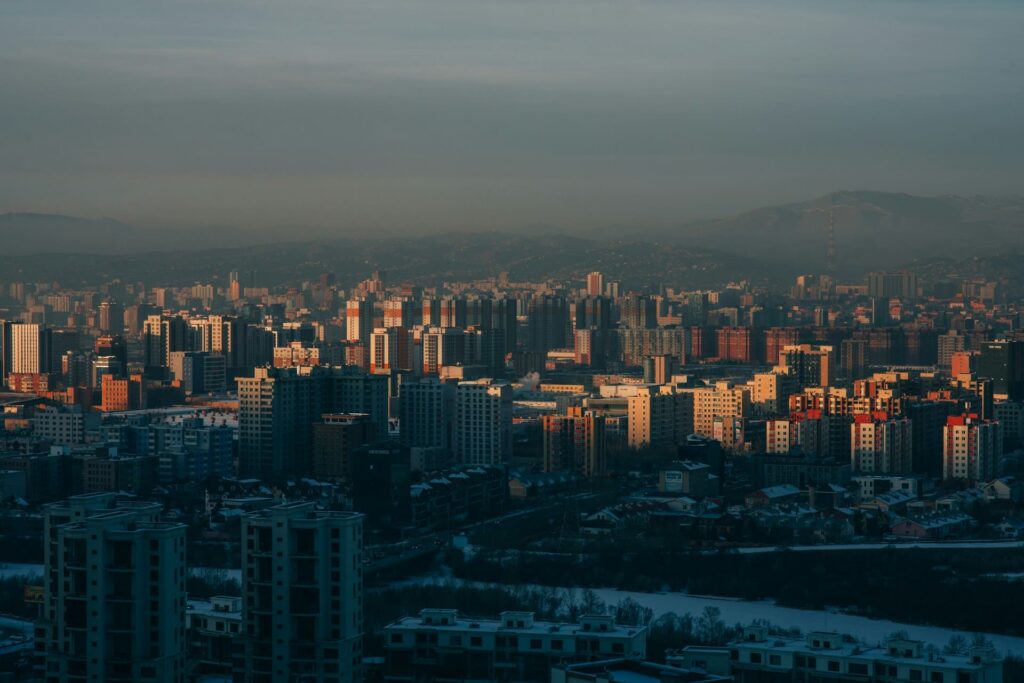
Ulaanbaatar is a symbolic choice. The Mongolian capital is hosting the 17th Conference of the Parties to the UN Convention to Combat Desertification (UNCCD) through August 28, and it is doing so in a country that bears the very marks of what is being discussed in the conference halls: 77% of Mongolia’s territory—nearly 1.2 million square kilometers out of a total of 1.56 million—is already classified as degraded. Over the past eighty years, the average temperature has risen by two degrees, rainfall has decreased, and winds carry sand from the Gobi Desert as far as South Korea and Japan.
The Numbers That Matter
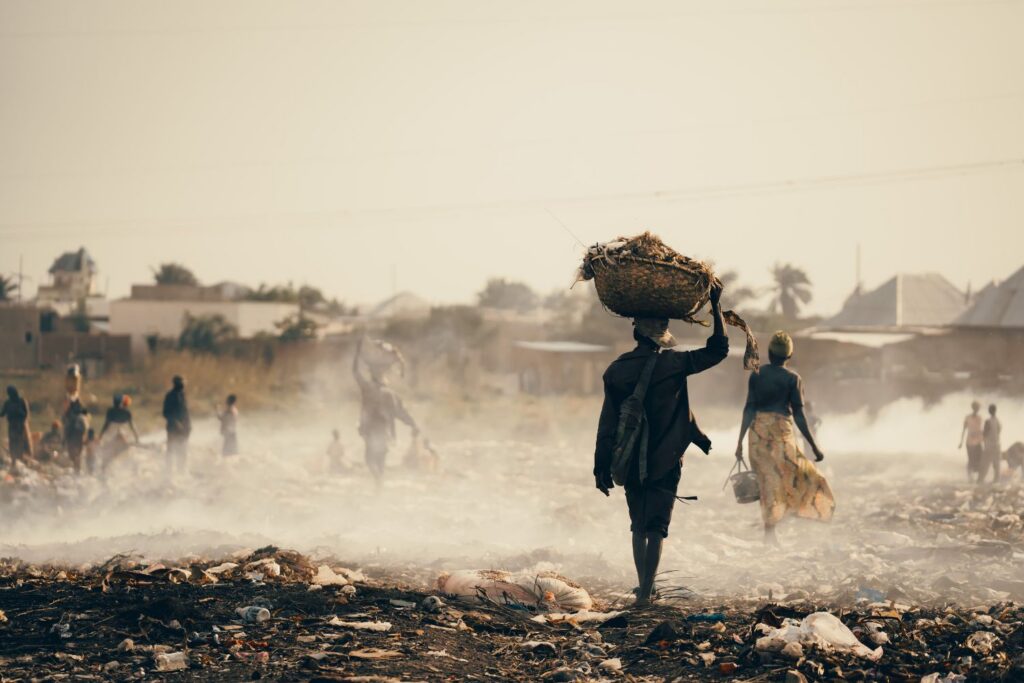
The data presented by the UNCCD leaves little room for mere optimism. Forty percent of the world’s land area is affected by soil degradation, a condition that impacts approximately 3.5 billion people. Droughts have increased by two-thirds since 2000, with an estimated annual cost of $900 billion. By 2030, water demand could exceed available supplies by 40%. And if this trend continues, according to UN projections, 700 million people could be forced to relocate by 2050 due to the spread of desertification. Eighty-five percent of those already suffering the effects of land degradation today live in low- and middle-income countries.
Yasmine Fouad, Executive Secretary of the UNCCD, made it clear at the opening of the session: land is “our most vital infrastructure,” on which food security, access to water, and political stability depend. This concept was echoed in similar terms by Mongolian Prime Minister Nyam-Osoryn Uchral, who noted that in his country, the price of a loaf of bread has tripled over the past ten years.
The issue of pastures, a key focus in 2026
COP17 coincides withthe International Year of Pastures and Herders, proclaimed by the United Nations at the suggestion of Mongolia itself. Pastures cover more than half of the Earth’s land surface, provide a livelihood for approximately 500 million people, and meet one-sixth of global nutritional needs, yet they remain among the least protected ecosystems. The Mongolian presidency of the conference has linked its agenda to national programs such as the “One Billion Trees” campaign and initiatives for sustainable livestock management, with the stated goal of bringing pastoral issues into the official negotiations.
Who pays the bill
The most sensitive issue remains the financial one. According to estimates circulated at the conference , halting and reversing land degradation would cost nearly 6,500 billion dollars a year globally. A huge sum, but one that is not without return: according to the UNCCD, investments in land restoration and sustainable agriculture would generate between $7 and $30 for every dollar spent. This is the argument the agency is using to attract private capital: over 300 companies are participating in the efforts, and more than 100 countries are transforming their drought management plans into concrete investment projects, with an estimated potential of $2 billion.
It remains to be seen how much of this will translate into binding commitments in the final days of the conference, amid discussions on finance, water, and food systems. Mongolia, meanwhile, has already announced its intention to allocate more than $1.5 billion to reforestation, clean energy, and sustainable agriculture—a test case, rather than a mere promise, for a country that sees the desert encroaching on its territory every year.