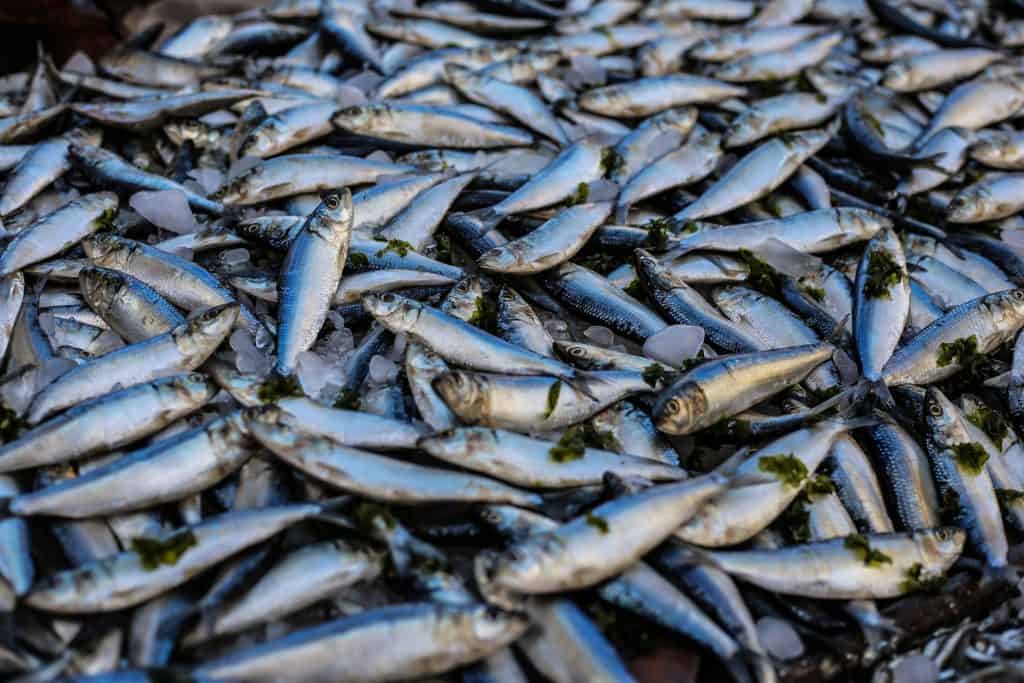
Within a few months, the price of anchovies skyrocketed. The abnormal warming of Pacific waters, triggered by El Niño, has caused a sharp decline in stocks of Engraulis ringens, the South American species used to make fishmeal, with direct repercussions on the main source of nutrition for fish farms worldwide. Compared to 2025, global anchovy meal production has fallen by 40%, while the price has risen by 80%.
The Fishing Ban and the Domino Effect
In mid-May, Peru—the world’s leading producer—imposed a 15-day ban on anchovy fishing, which was later extended indefinitely. This was a significant decision, considering that the anchovy is the most heavily fished species in the world. The ban triggered a collapse in fishmeal prices, while demand remained high. As a result, the cost of fishmeal has nearly doubled, reaching $2,990 per metric ton by the end of June. Aquaculture is bearing the brunt of this, as it will have to either reduce production or pass the price increases on to consumers through higher prices for fish and seafood.
Because it’s a story about climate
The Peruvian anchovy has a short life cycle, and its population fluctuates sharply as environmental conditions change. El Niño, the phenomenon that periodically warms the waters of the Pacific off the coast of Peru, weakens the upwelling of cold, deep waters rich in nutrients: less plankton means fewer anchovies. It is a natural cycle that recurs every 4–6 years, but the one in 2026 is among the most intense of the modern era.
And this is where the climate crisis comes into play: El Niño fluctuations are now occurring in an ocean that is already warmer due to global warming, and scientists warn that an increasingly hot planet risks making these events more frequent and extreme. The result is a global food system that is increasingly vulnerable to shocks originating in the ocean. Since El Niño typically peaks toward the end of the year, fish catches—and the fishmeal derived from them—are set to decline further.
From Peru to the shopping cart
In the past, a shortage of anchovies would have mainly affected wealthy countries. Not anymore. Between 1997 and 1998, during the sector’s last major crisis, aquaculture accounted for less than a quarter of the fish consumed worldwide; today it supplies more than half, and these farms require enormous quantities of fish meal. Meanwhile, consumption has risen: according to the FAO, the United Nations Food and Agriculture Organization, per capita consumption has risen from 14.3 kilograms per year in the 1990s to 21.3 kilograms in 2024.
The anchovy crisis is a vivid illustration of just how interconnected today’s world is: a weather event off the coast of Lima causes fish prices to skyrocket on European market stalls—including in Italy, where farmed salmon and sea bass have become everyday staples. And there are already those who fear that, when it comes to the grocery bill, El Niño will end up weighing more heavily than a war. A reminder that the climate crisis isn’t just about glaciers and record temperatures, but also about what ends up on our plates every day.