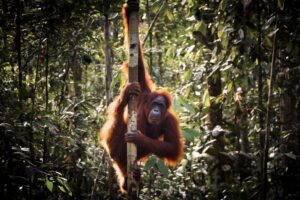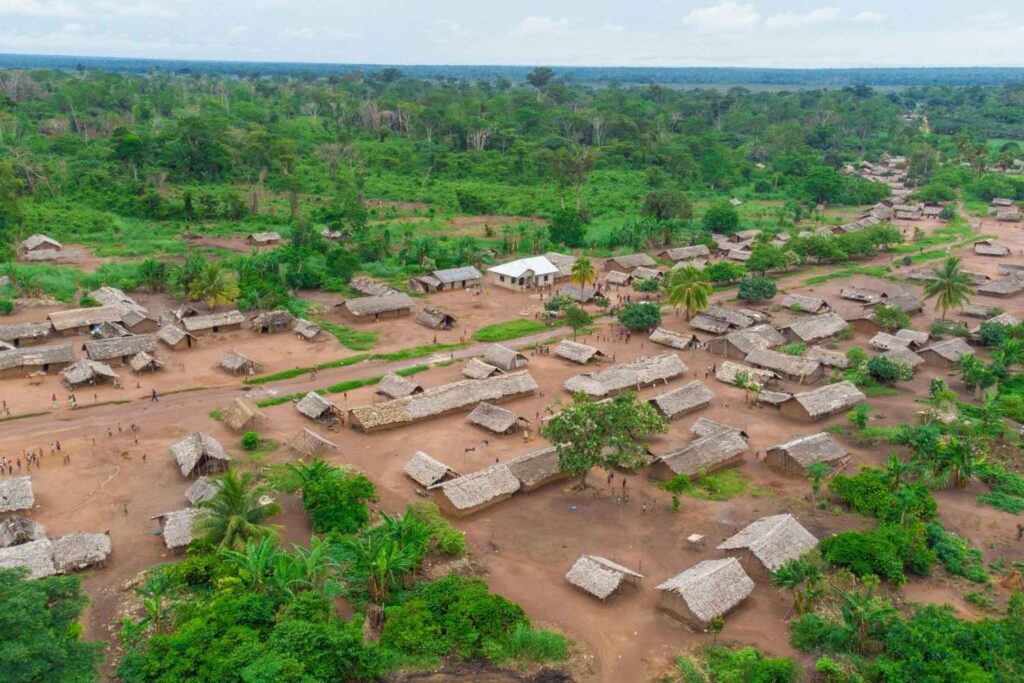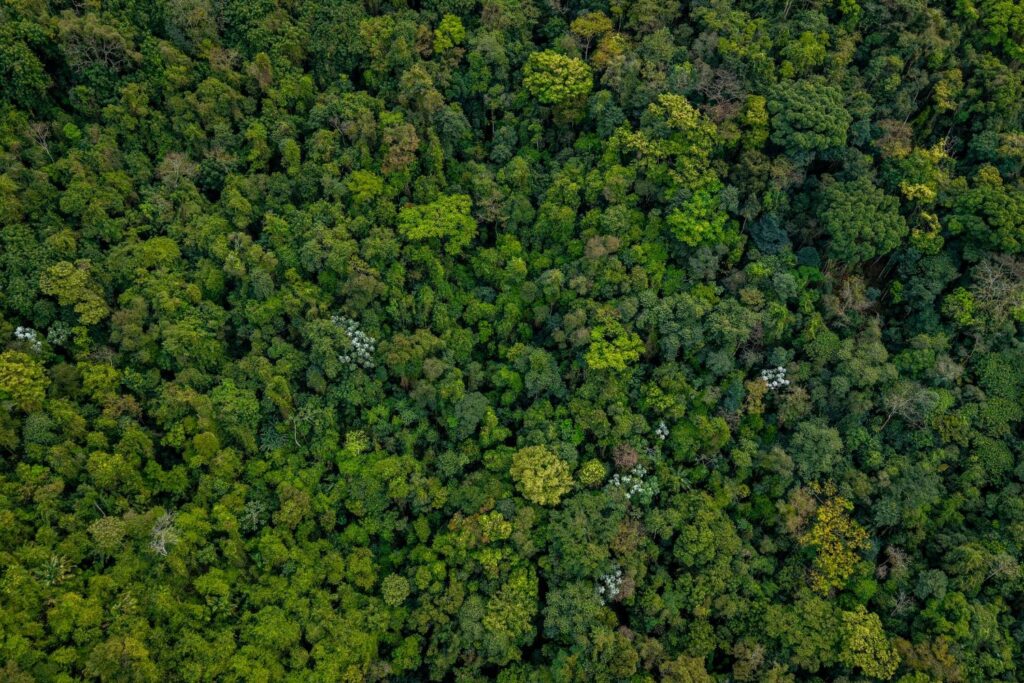
Never before have there been so few chainsaws in the Amazon, and never before has there been so much uncertainty about its future. On Friday, October 16,INPE, the Brazilian Space Agency, released data confirming this improvement: between August 2025 and July 2026, approximately 3,335 square kilometers of forest were cleared—42% less than the previous year and the lowest figure in the historical record, which began in 1988. The previous record was set in 2011–2012, at 4,571 km². And even in the Cerrado—the savanna that makes fewer headlines—deforestation fell by 24%, to 5,517 km².
It’s a shame that the good news comes just nine days before a runoff election that Lula risks losing. In the first round on October 4, Flávio Bolsonaro, the eldest son of former President Jair, received 47.03% of the valid votes, compared to 45.16% for the incumbent president; the two will face off on Sunday, October 25.
The programs use different language. Lula promises net-zero deforestation by 2030, with forest restoration to offset every loss, whether legal or illegal. Flávio counters with a play on words: an end to illegal deforestation by 2029. The trick lies entirely in the adjective, which the platform is careful not to define. In the same document, the right-wing candidate proposes that environmental permits be issued automatically if regulatory agencies fail to respond in time, and that the conditions attached to them remain in effect for up to 20 years. The plan is clear: fewer trees cut down illegally, but only because the boundaries of what is permitted are being expanded.
The lobby supporting Bolsonaro
The agribusiness sector has already chosen which side to take. The Parliamentary Agricultural Front, the sector’s main lobby group, has backed Flávio, who in return has promised to let them choose the agriculture minister. And Congress has already changed: the Bolsonaro party won 121 seats in the Chamber of Deputies—more than any single party has ever won since 1988.
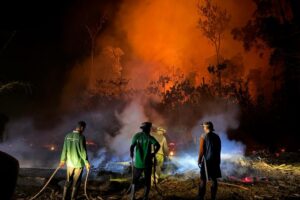
Meanwhile, the campaign is also being waged with lighters. Authorities are investigating whether some fires were set intentionally, for political reasons, ahead of the election. And on October 12 , *Folha de S.Paulo* revealed eight audio messages sent via WhatsApp to the Parakanã Indigenous people: they announce that fazendeiros will invade the Apyterewa Indigenous territory in Pará if Flávio wins on Sunday. Pará, not coincidentally, is the state with the highest rate of deforestation, at 1,130 km².
A clash between two opposing worlds
Not even Lula’s camp is without its problems. His welfare program is also funded by Petrobras’s new offshore drilling operations in the sea off the mouth of the Amazon River—a contradiction that environmentalists find unforgivable. And former Environment Minister Marina Silva, who spearheaded the decline in deforestation, failed to win a seat in the Senate.
The fact remains, however, that the difference between the two camps is vast. On the one hand, there is a legitimized assault on the foundations that underpin the country’s ecological and social balance (with significant global repercussions). On the other, a change of course aimed at greater protection of human and environmental fragility.
Ana Yang, director of the Environment and Society Center at Chatham House, points out that in the Amazon, what matters most is the signal sent by the president: it can signal that deforestation has become more difficult, or that it can resume. With El Niño looming and the forest reduced to a tinderbox by the drought, that signal will carry decisive weight on Sunday.