Nordic sounds, flavors, stories, and talents come together in Rome’s squares, churches, and streets. The capital has always been a symbol of cultural exchange, at the heart of that Mediterranean region of the three religions that has made it a cultural, religious, and political crossroads. This intense exchange of intellectual ideas connects Rome to countless countries and finds an intriguing expression in the Novembre Nordico Festival. Now in its fifth year and taking place across various neighborhoods of the city, the festival runs through December 13.
Sponsored by the Embassies of Denmark, Finland, Iceland, Norway, and Sweden, the Scandinavian Circle, and the four Nordic cultural and scientific institutes (namely the Rome offices of the Danish Academy, the Finnish Institute, the Norwegian Institute, and the Swedish Institute of Classical Studies), this festival offers a rich program of activities and events that explores the long-standing ties between the countries of Northern Europe and Rome: cultural, artistic, and musical connections, expressed over time by artists from various eras. The program includes exhibitions, talks, concerts, urban walks, cooking classes, films, workshops for children, and activities designed to offer a diverse and multifaceted overview of the many ways and times in which Nordic culture has intersected—and continues to intersect—with the cultural life of the capital.
It all begins at the Danish Academy
The first event takes place at the Danish Academy, featuring an exhibition running through November 28 dedicated to design and artistic creation, divided into three distinct sections: “Painted in Rome,” an exhibition of over 500 sketches, studies, and works by artists who have been guests of the Institute; “Photographed in Rome,” featuring images taken from the mid-20th century onward; and “Danish Design in Rome,” showcasing a selection of furniture pieces designed by the most renowned Danish designers.
Many historical figures from the European cultural scene of the modern era are connected to Rome—a city they discovered through the Grand Tour or for institutional reasons, and which they came to love as a place close to their hearts: One of these famous figures is Queen Christina of Sweden (1626–1689), whose 400th birthday anniversary is being marked this year with an event held as part of the festival on November 11. The exhibition“Christina of Sweden: History, Art, and Freedom,”curated by the State Archives in collaboration with the Swedish Embassy, is dedicated to her, aiming to highlight her cultural legacy and her profound impact on the artistic scene of Baroque Rome.
Villa Lante on the Janiculum Hill
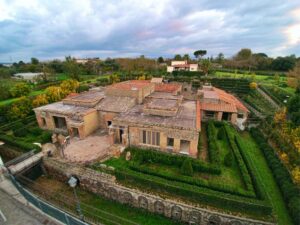
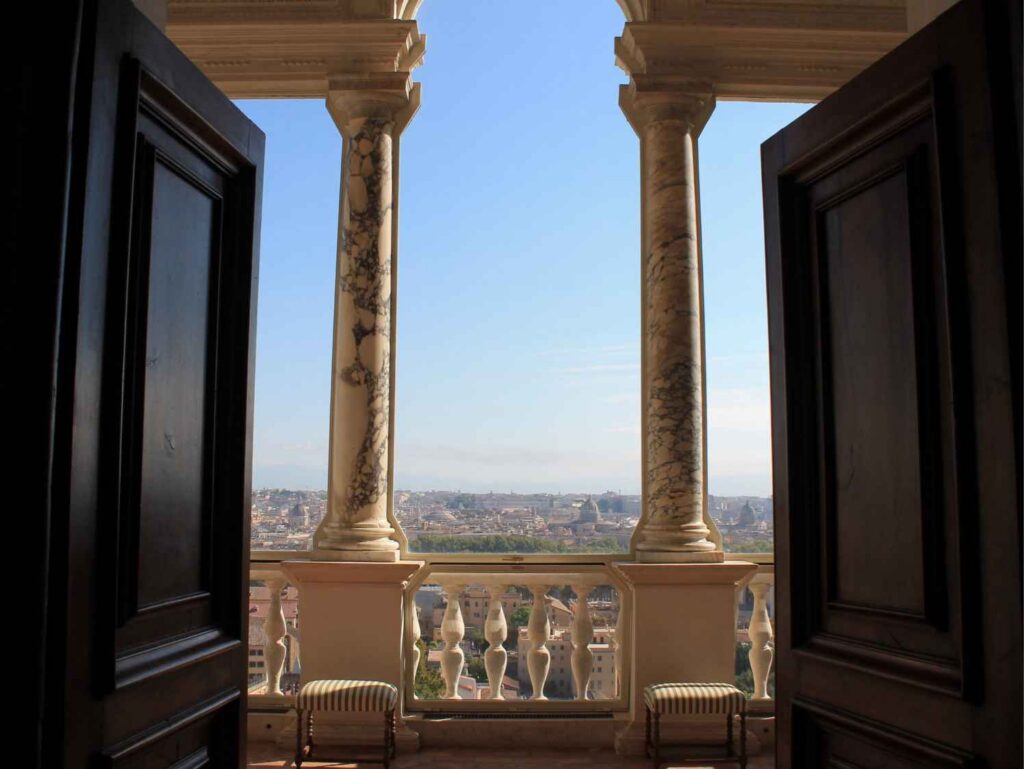
Not only European intellectuals and rulers but also many places in the city are linked to the Nordic countries: one of these is Villa Lante on the Janiculum Hill, home tothe Institutum Romanum Finlandiae, which will be open to the public on November 6 and November 20—two events designed to allow visitors to explore the Renaissance villa, designed by Giulio Romano, one of Raphael’s students.
There are countless artistic performances, from the Mattatoio to the institutional venues of the respective institutions, and an equally rich selection of tours through the city’s landmarks: For example, the Circolo Scandinavo offers walking tours designed to retrace the footsteps and legacy of Scandinavian artists in the capital, beginning in the 18th century and moving on to artists of the 19th, 20th, and 21st centuries. Artist residencies, historic sites, churches, and squares, as well as a packed program dedicated to both modern and contemporary music.
A festival that spans the arts and culinary traditions and celebrates cultural connections and exchange, highlighting how, over time, dialogue between countries has been powerfully fostered through music, painting, literature, and dance, making the arts expressions of a universal language.