Illegal wildlife trafficking, the illicit timber trade, illegal mining, and illegal waste disposal could soon be subject to prosecution under new international rules. The UN has decided to launch negotiations for a treaty on environmental crimes, overcoming resistance from several countries, starting with the United States.
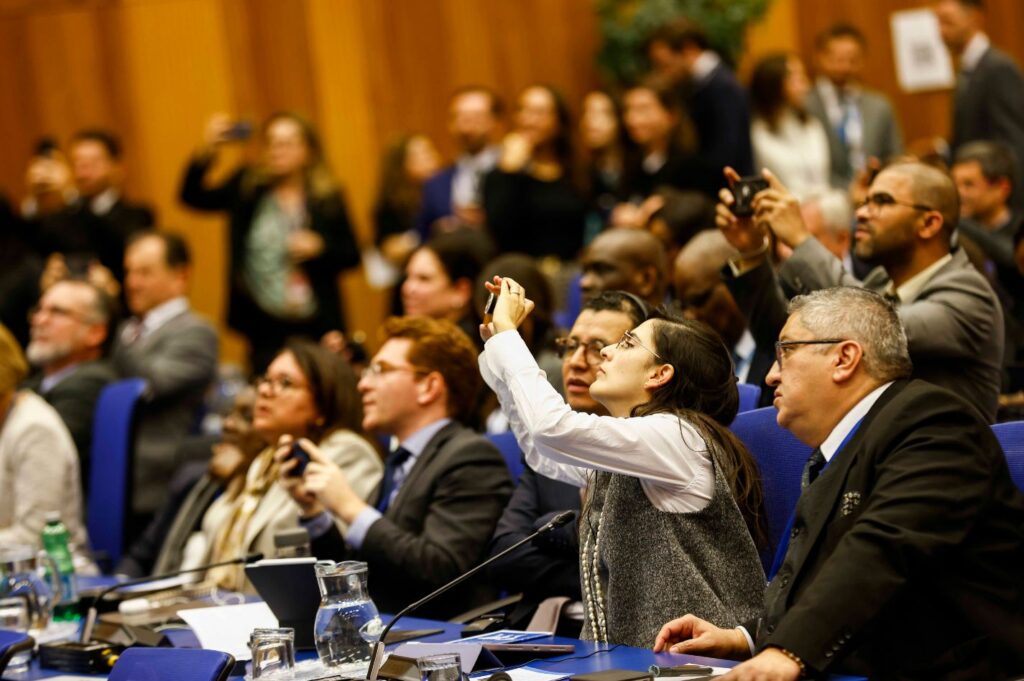
The resolution was adopted on October 23 in Vienna during the 13th Conference of the Parties to the United Nations Convention against Transnational Organized Crime, with 83 votes in favor, 12 against, and 27 abstentions. This outcome marks the beginning of a diplomatic process expected to last at least two years, while criminal organizations continue to exploit differences in national laws.
From Forests to Waste: What Will Change
The future agreement will be an additional protocol to the Palermo Convention, the international treaty that entered into force in 2003 to strengthen cooperation against organized crime. The Convention already has three protocols, addressing human trafficking, the smuggling of migrants, and firearms.
The new instrument is intended to extend this cooperation to crimes affecting the environment, facilitating cross-border investigations, the exchange of evidence, and mutual legal assistance among states.
The scope of the instrument includes the illegal trade in wild fauna and flora, including timber and timber products, the extraction and trafficking of minerals and precious metals, and the illicit trafficking of waste. These activities may involve criminal networks spanning multiple continents, from the harvesting of resources to their sale on international markets.
According to the International Union for Conservation of Nature (IUCN), the protocol could help close the regulatory gaps that currently hinder the prosecution of these crimes.
The United States votes against it
The decision was met with opposition from Washington, which, during the negotiations, questioned the need to draft a new legal instrument. The U.S. position favors strengthening existing conventions and cooperation mechanisms.
The European Union took a different view, stating in its official declaration on October 23 that it supported the start of negotiations and highlighting the links between environmental crime, corruption, and biodiversity loss.
The resolution was sponsored by a group of countries particularly vulnerable to the illegal exploitation of natural resources, including Brazil, Colombia, Peru, and the Democratic Republic of the Congo.
The first draft will be released in 2028
The Vienna resolution establishes a committee tasked with negotiating the text over the course of four working sessions. The goal is to produce a first draft by October 2028, to be submitted to the next Conference of the Parties.
Among the issues still to be resolved are the definition of criminal offenses, obligations for cooperation among national authorities, and measures to protect communities harmed by criminal activities.
The IUCN also calls for the future protocol to ensure greater protection for indigenous peoples, local communities, and those who report environmental crimes.
So far, no new international regulations have taken effect. Countries have agreed to begin negotiations, but they have yet to determine which types of conduct to address and what tools to use. The first review will take place in 2028, when it will be possible to assess how many of the commitments made in Vienna have been translated into concrete measures.