On July 15, between 3:00 p.m. and 4:00 p.m., Italy drew 57,985 megawatts from the power grid, the highest peak of the year according to data published by Terna: this is 4.6% higher than the 2025 record, which stood at 55,450 MW. This figure reflects just how much the country had to cool down to cope with the heat wave that hit nineteen cities under a “red alert,” with the peak of the heat occurring on Saturday, July 18, before the arrival of new weather systems that caused temperatures to drop slightly.
The medical bill behind the electricity bill
While the air conditioners were running at full blast, the Ministry of Health recorded another statistic, which was discussed at the task force meeting held in mid-July: between May 25 and June 30, the mortality rate among those over 65 rose by 3%, with the majority of deaths occurring among the “very elderly” over 85. During the same period, globally, June was the second-hottest month on record. In Ollastra, Sardinia, the thermometer hit 47.2 degrees. These two sets of data—on megawatts and on deaths—come from the same weeks and illustrate the same emergency from two different angles: one measures how the country is defending itself against the heat, the other shows those who are unable to defend themselves sufficiently.
Twenty-six degrees, not twenty-one
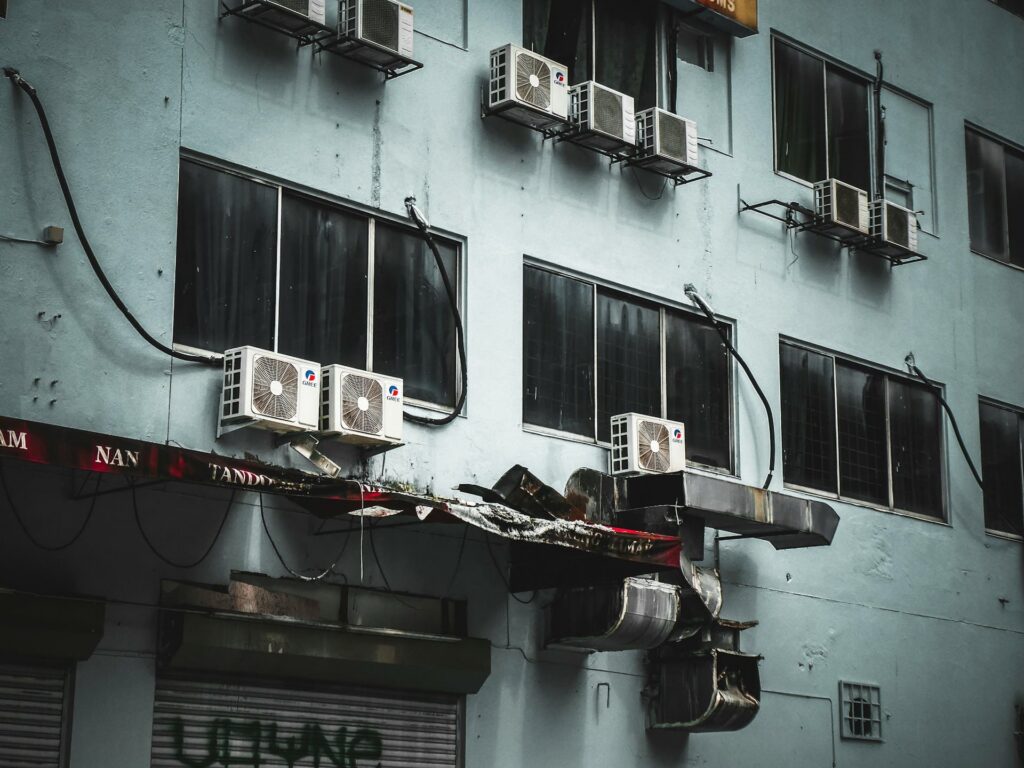
An air conditioner’s energy consumption depends on the difference between the outdoor and indoor temperatures—known as Delta T—rather than on the absolute temperature set on the thermostat. Setting the air conditioner from 26 to 21 degrees, when it’s 34 degrees outside, forces the compressor to bridge a 13-degree gap instead of an 8-degree one, causing it to run at full power for hours instead of at minimum power. Industry studies estimate an increase in energy consumption of between 6 and 8% for every degree set below 26, with a rise of up to 30% when the temperature is lowered to 22 degrees. It’s a calculation few people make while sweating, but when multiplied by millions of households, it contributes to the record-breaking figures the grid records every summer. Public health guidelines offer another reason to keep the thermostat high: the temperature difference between indoors and outdoors should not exceed 7–8 degrees, to avoid heat shock, bronchitis, blood pressure fluctuations, and headaches. Twenty-six degrees therefore remains the most economical threshold and, at the same time, the safest from a health perspective.
A summer that is no longer an exception
The record set on July 15 follows the one from 2025, which in turn had surpassed the previous year’s record: for three years now, the Italian power grid has been struggling to keep up with heat waves that are intensifying faster than our ability to adapt. Every summer that sets a new record for energy demand almost always coincides with a summer in which the healthcare system records more deaths among the most vulnerable segments of the population.
As long as the heat remains an emergency managed on a day-to-day basis—with red alerts issued just before heat waves strike and crisis management teams convened only after the fact—the two figures—megawatts and deaths—will most likely continue to rise together, season after season.