For years, it was the number around which every climate summit revolved, repeated like a mantra: one and a half degrees. It was the temperature not to be exceeded, the ceiling that governments had set for themselves in Paris in 2015 to keep the planet within a safe zone: major glaciers remaining in place, archipelagos above sea level, and a curb on hurricanes. Starting today, that number takes on a new meaning. In a report bluntly titled *Limiting Overshoot*, the United Nations Environment Programme (UNEP) has, for the first time, given its official stamp of approval to what climate scientists have been saying for some time: the 1.5-degree threshold will be exceeded—not just for a single year, but on a lasting basis.
The heart of the document lies in a terse sentence: “The challenge has shifted from preventing overshoot to managing it.” It sounds technical, but it captures a defeat. The goal that had become a slogan in Paris—printed on banners, invoked at every conference—will not hold up. And not because there was a lack of guidance on the countermeasures needed to ensure our safety: what ate away at the remaining time was the slow pace of the ecological transition and the pressure from climate denialist movements, which for years have held back policies to reduce emissions.
The temperature range
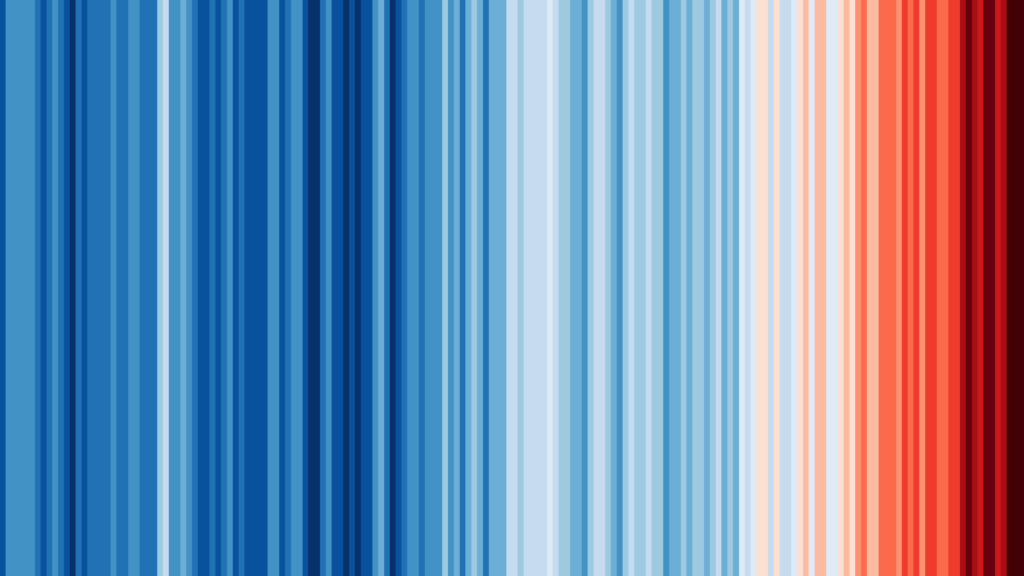
How high global temperatures will rise—and for how long—depends on decisions made now. The projections show a wide range. In the best-case scenario—emissions halved by 2035—the peak would stabilize at around 1.8 degrees. If current policies continue, however, the trajectory points toward 2.6 degrees by the end of the century.
In between lies a chasm, because every additional tenth of a degree translates into longer, hotter summers, more persistent droughts, and rains that turn into floods when they do come. There are no positive outcomes if we exceed 1.5 degrees, UNEP Executive Director Inger Andersen made clear: beyond that threshold, the impacts become faster, more violent, and more prolonged, and the death toll is bound to rise.
The Cost of Exceeding the Limit
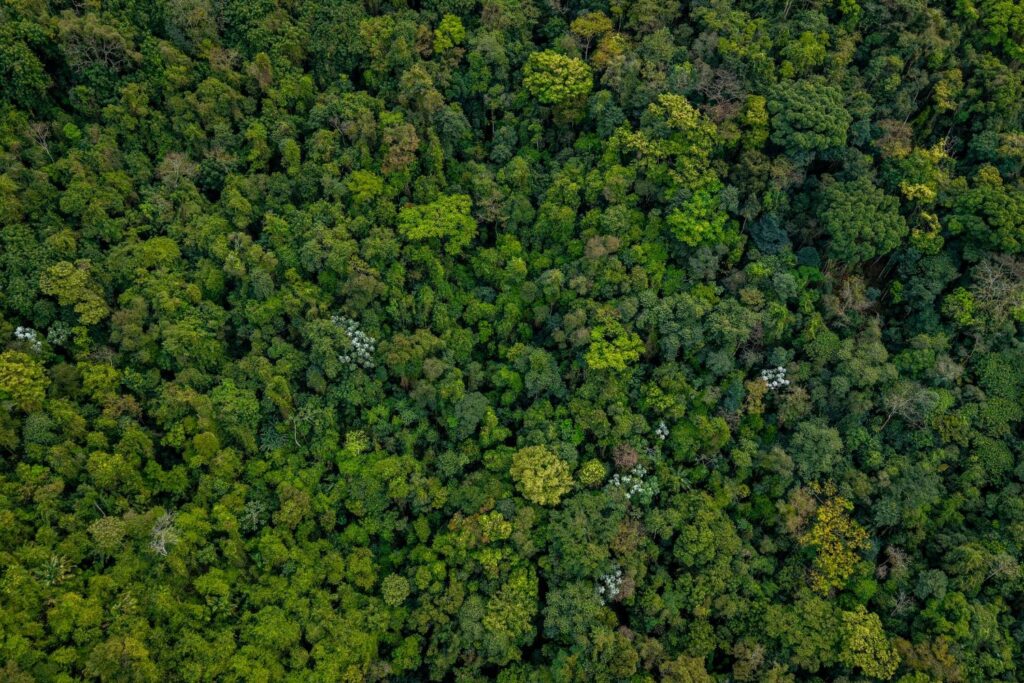
What alarms scientists most are the points of no return: the thresholds beyond which certain processes are set in motion on their own and cannot be reversed. Above 1.5 degrees, it becomes more likely that the large ice sheets will destabilize and that the Amazon rainforest will slide toward collapse. In a 3-degree scenario, the planet’s glacial reserves could lose more than a quarter of their mass by 2100. These effects will ripple through the ecosystem all the way to our dinner tables: according to UN estimates, global agricultural production could decline by up to 14% within twenty-five years. And for the lowest-lying archipelagos in the Pacific and the Caribbean, the prospect is that they will end up underwater.
A decline is still possible
Yet the report is not an obituary. There is still room to get back on a path where the damage is limited, provided we act quickly and in the right direction: the approach has a textbook name—“surpass, peak, and decline”—and aims to bring the temperature back within the safety threshold as quickly as possible.
The first step is to immediately cut greenhouse gas emissions, starting with methane, a gas with a global warming potential up to eighty times greater than that of carbon dioxide in the short term. The second is to begin removing carbon already released into the atmosphere. On this point, the authors are unequivocal: no single technological shortcut will suffice on its own, and carbon capture must be used in conjunction with emission cuts—not as an excuse to postpone them.
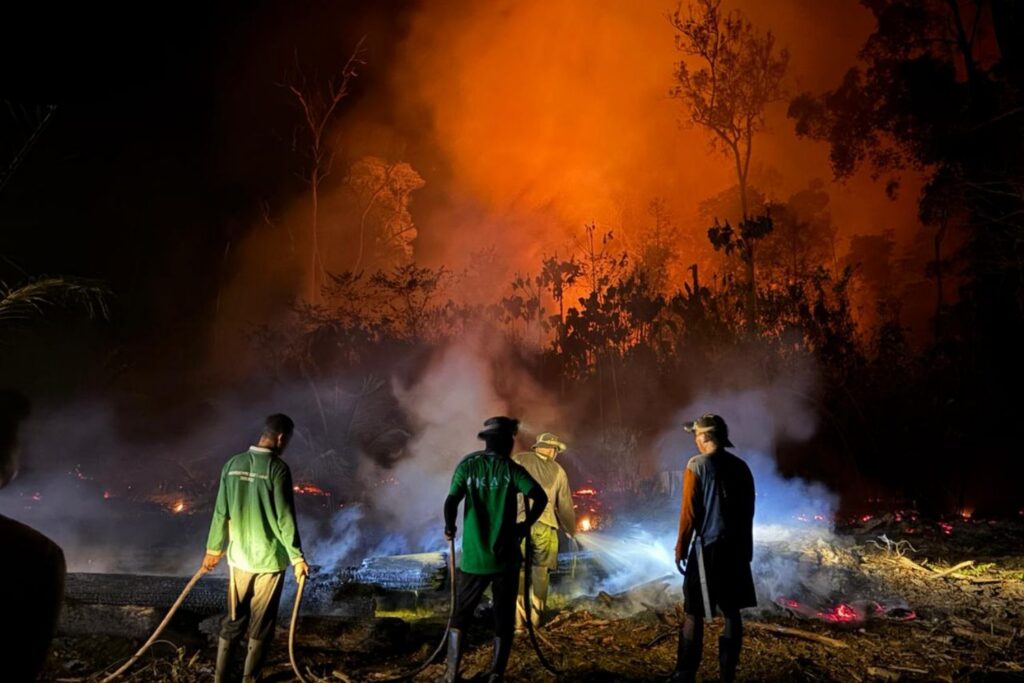
Not everyone, however, agrees with this tone. The WWF reiterates that 1.5 degrees remains a non-negotiable safety threshold, and that it is emissions that must be reduced, not ambition. Climate Analytics is even more blunt, arguing that a document that treats the threshold as a lost cause risks sounding like a call to give up rather than a call to action. UN Secretary-General António Guterres tries to reconcile the two perspectives: the extreme heat, wildfires, and floods of the past summer, he warns, are just a taste of what lies ahead, and the response requires a leap in ambition. Because one thing is certain: even if the thermometer one day drops back below the threshold, the world we leave behind will never return.