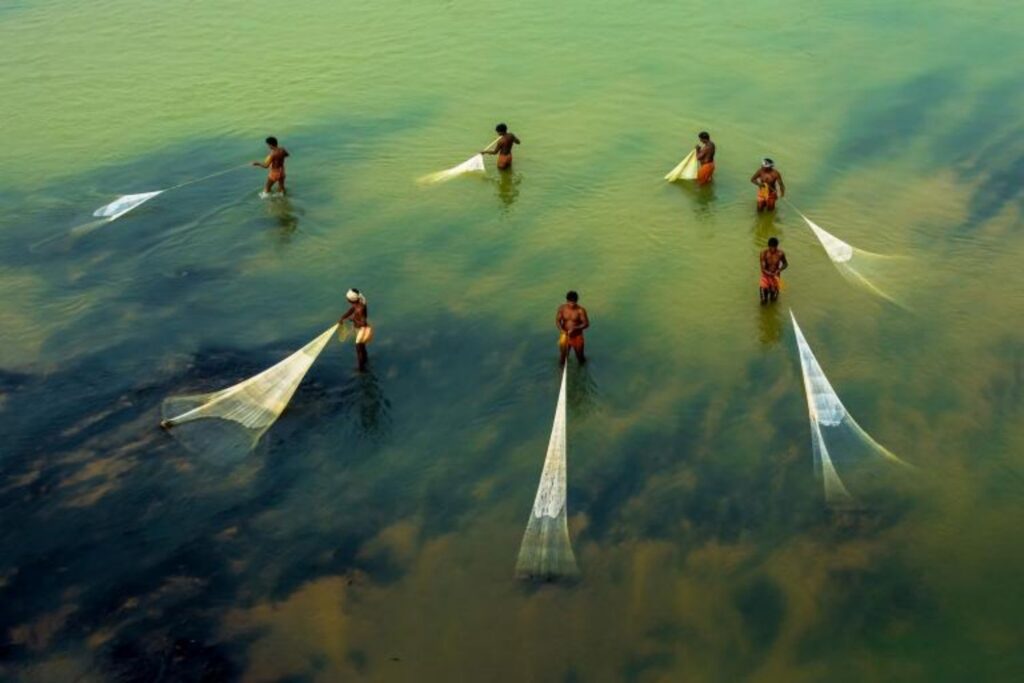
Six people submerged in greenish water, photographed from above, each with a long fishing net lowered beneath the surface. There are no threatening clouds or lightning bolts, yet the image captured by Saurabh Sirohiya speaks volumes about the bond between communities and the water on which they depend. It is one of the photographs selected by the World Meteorological Organization (WMO) for its 2027 calendar; the winners were announced on October 1.
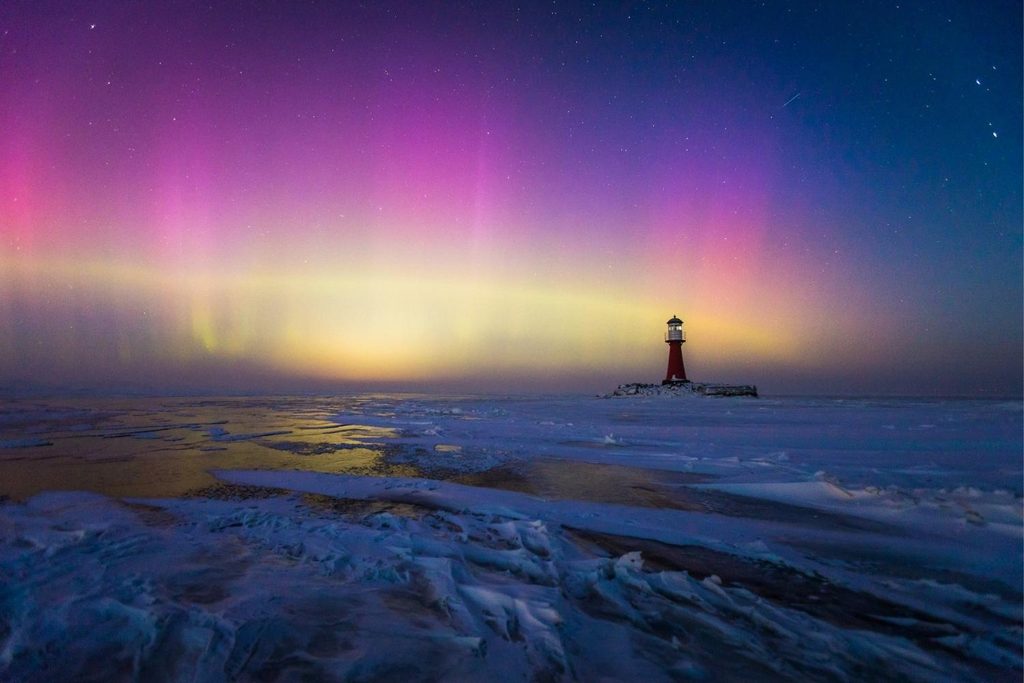
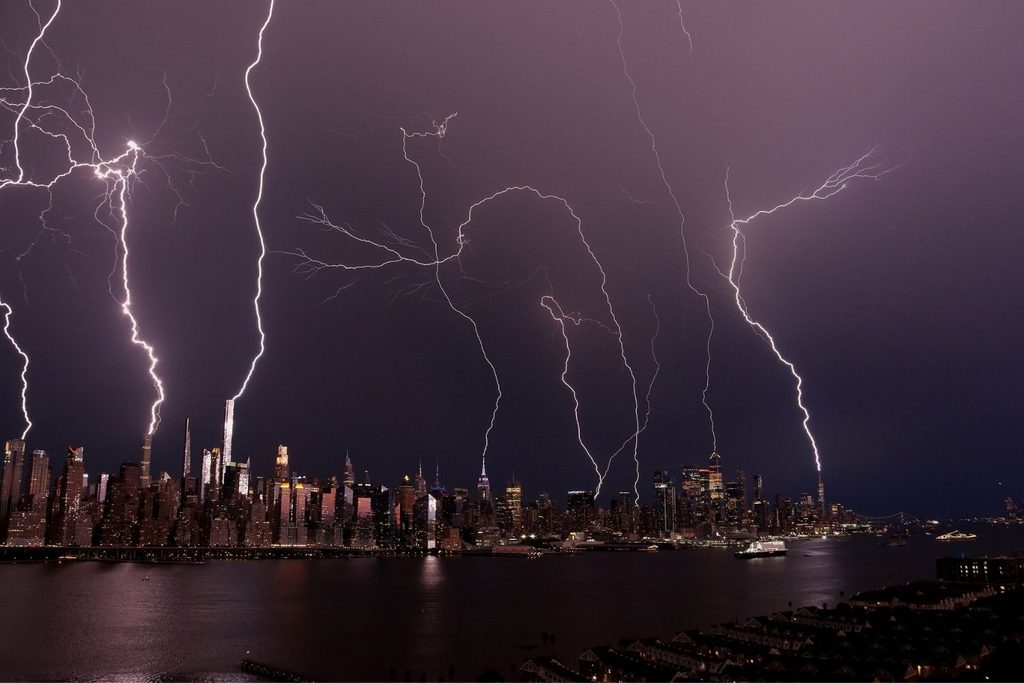
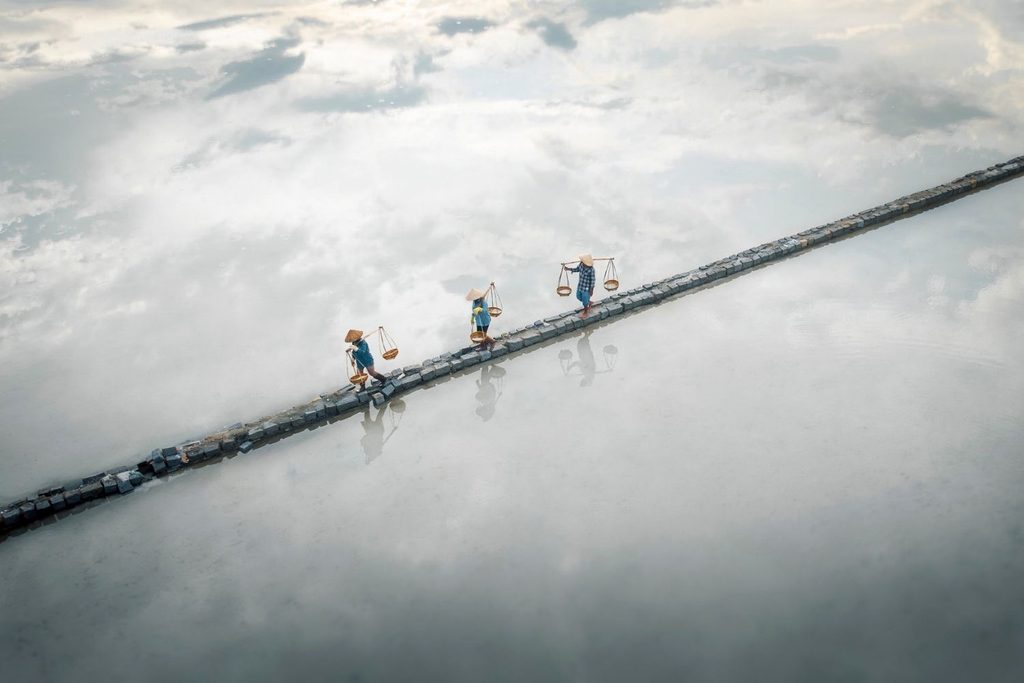
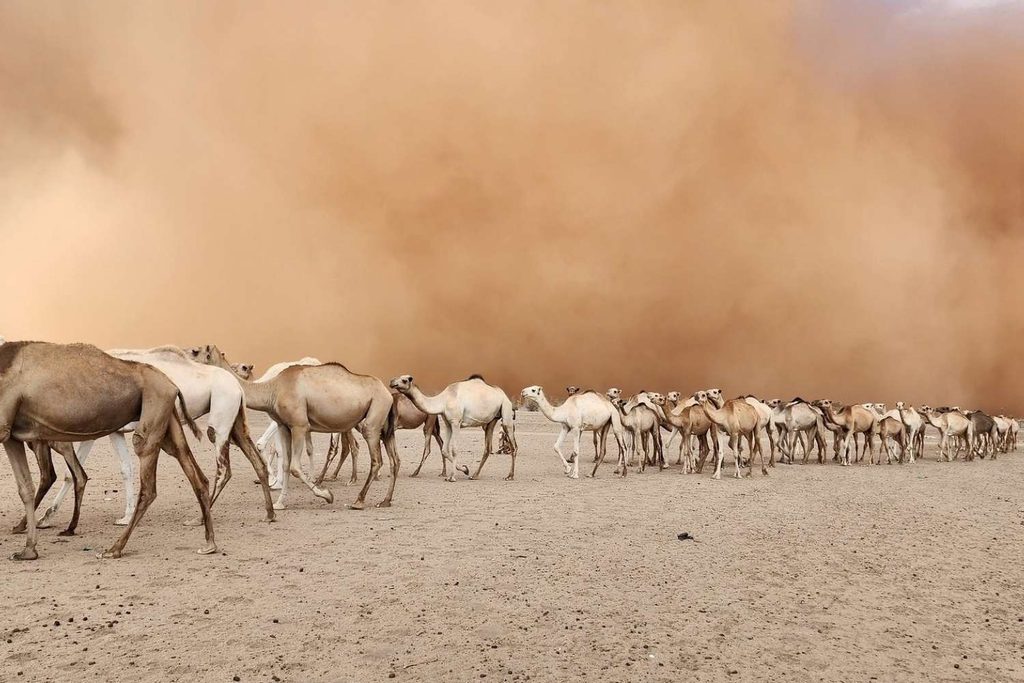
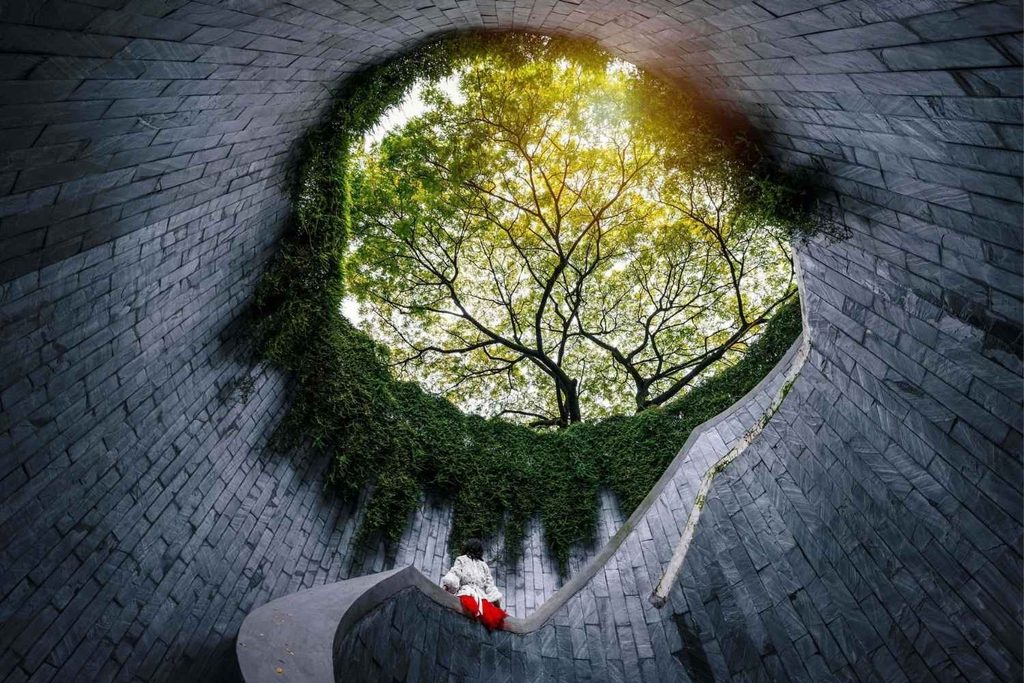
The Weather Around Us, The Changing World
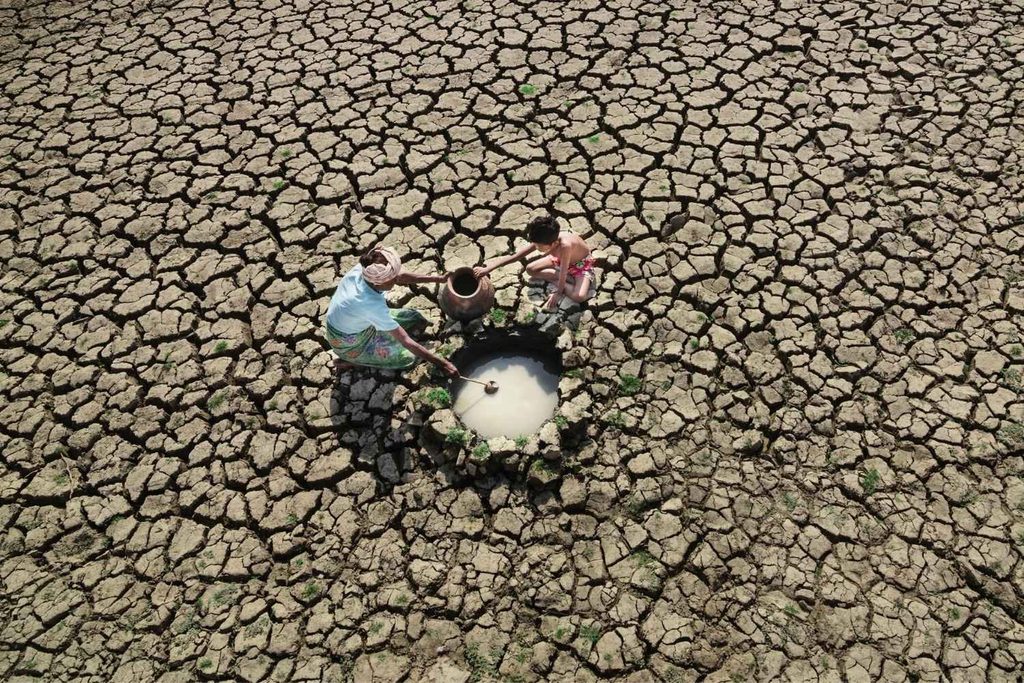
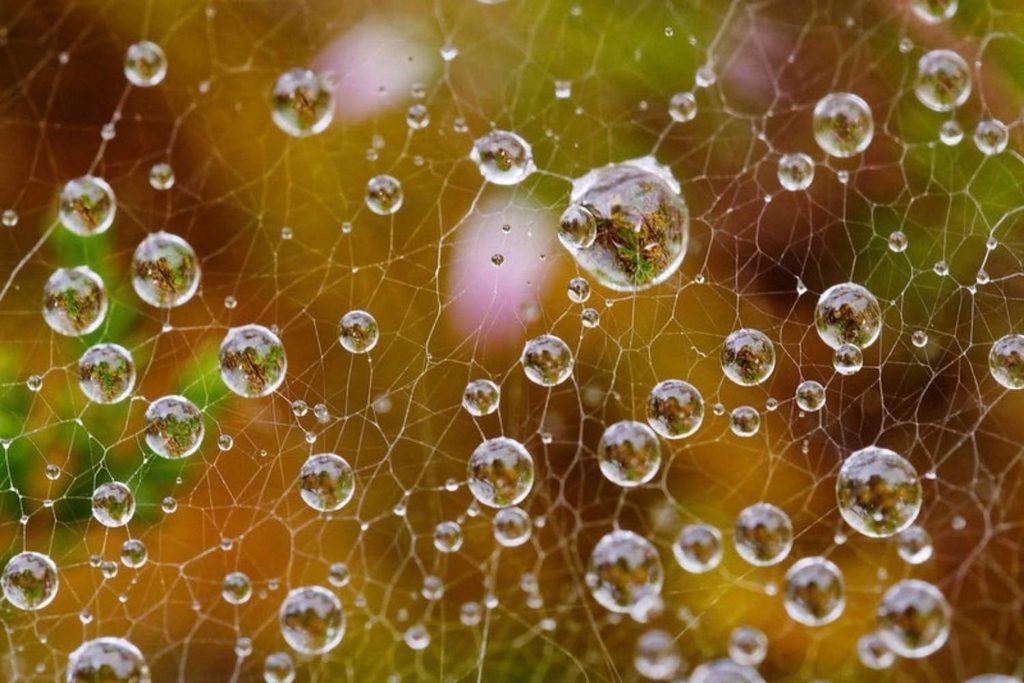
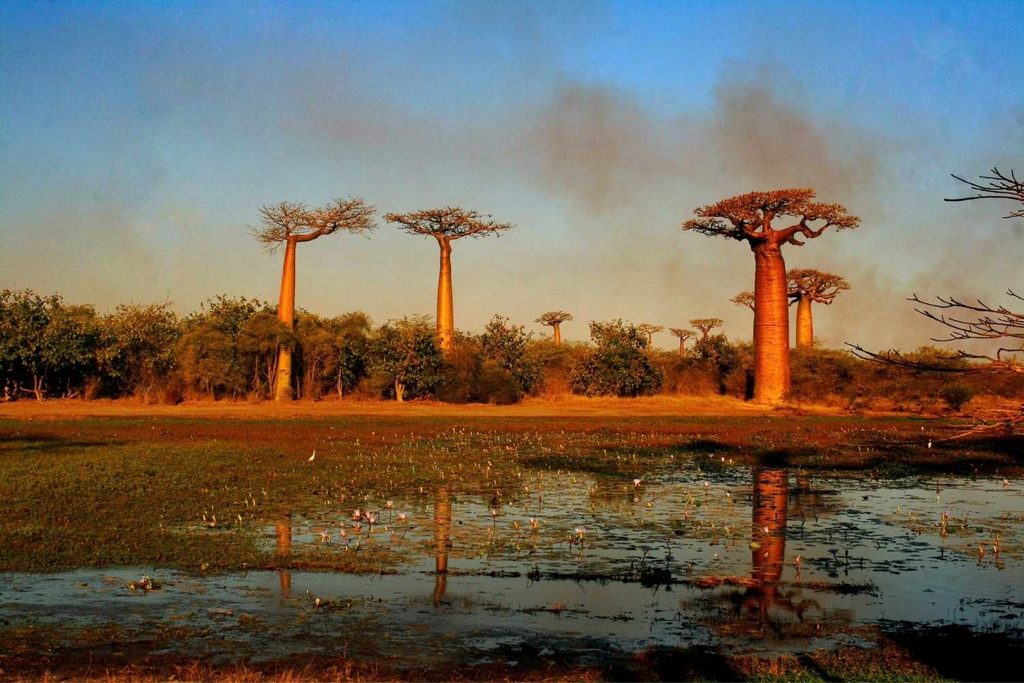
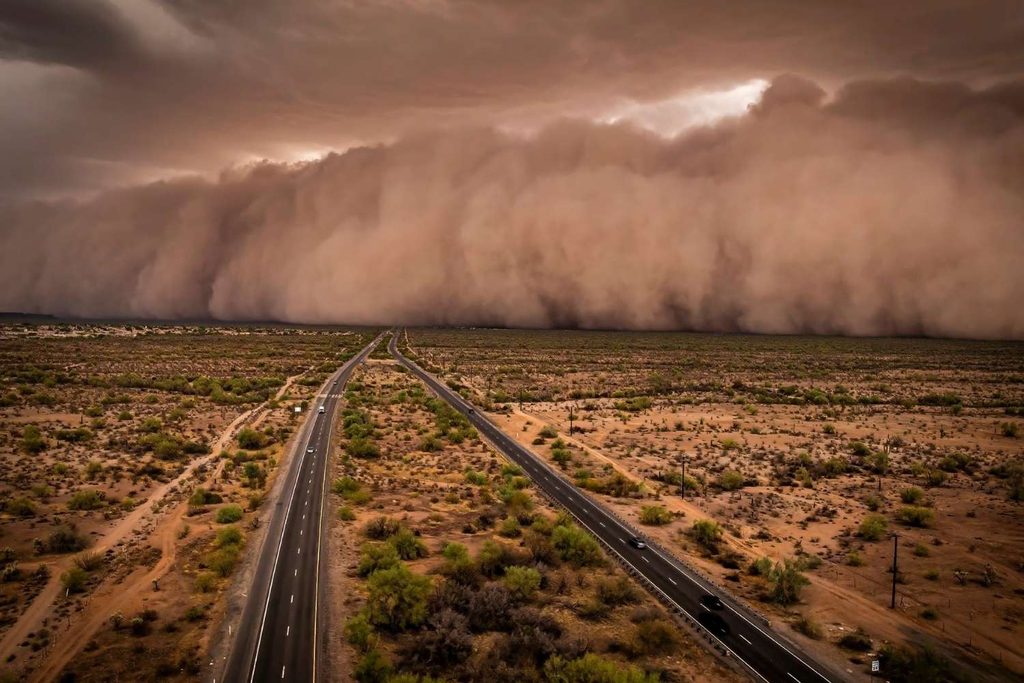
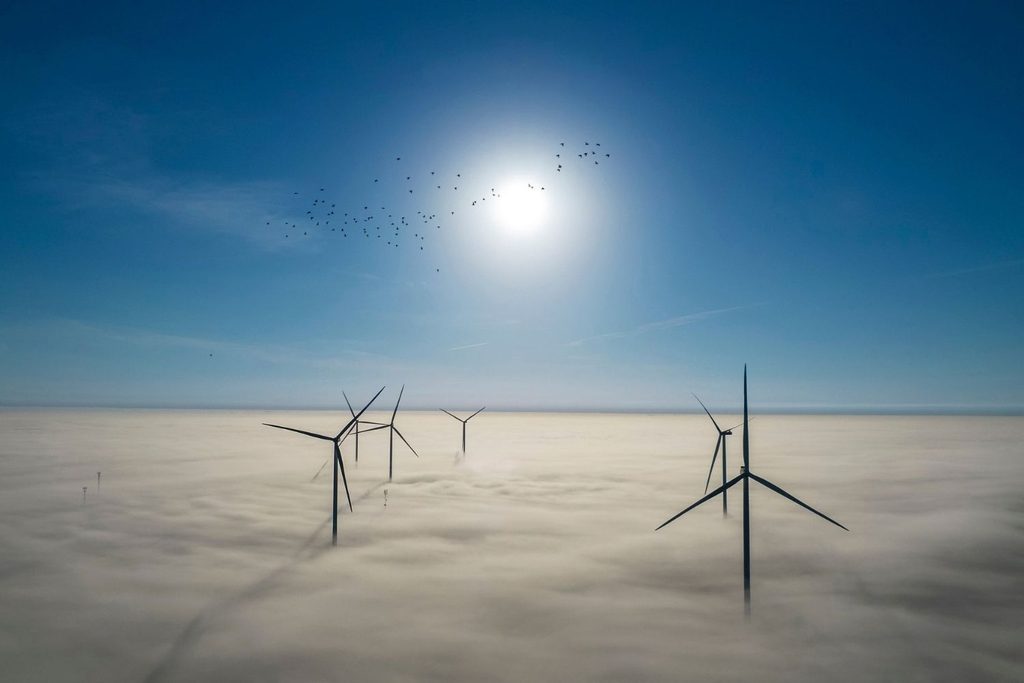
This year’s theme, “Your Weather, Your World,” asked photographers to show how weather, climate, and water shape landscapes, lives, and everyday actions. The result is a sort of atlas spanning the continents: dust clouds sweeping across the deserts of Kenya and the United States, lightning bolts splitting the city skylines, and centuries-old baobab trees silhouetted against the sunset in Madagascar.
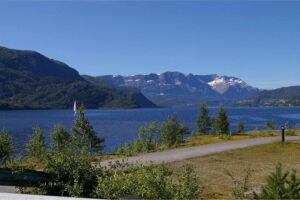
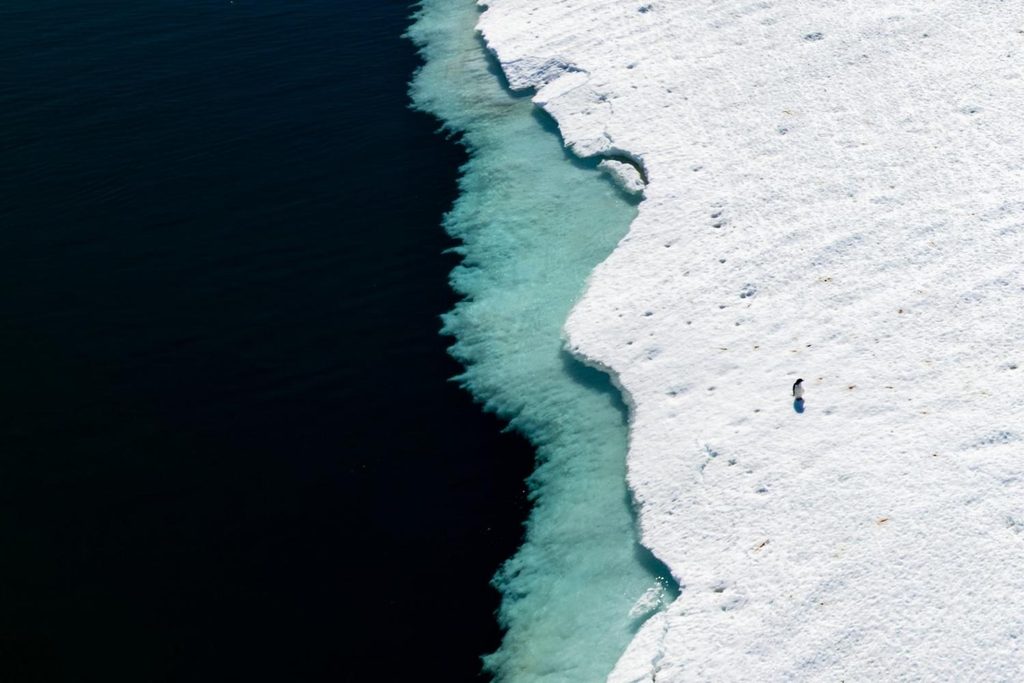
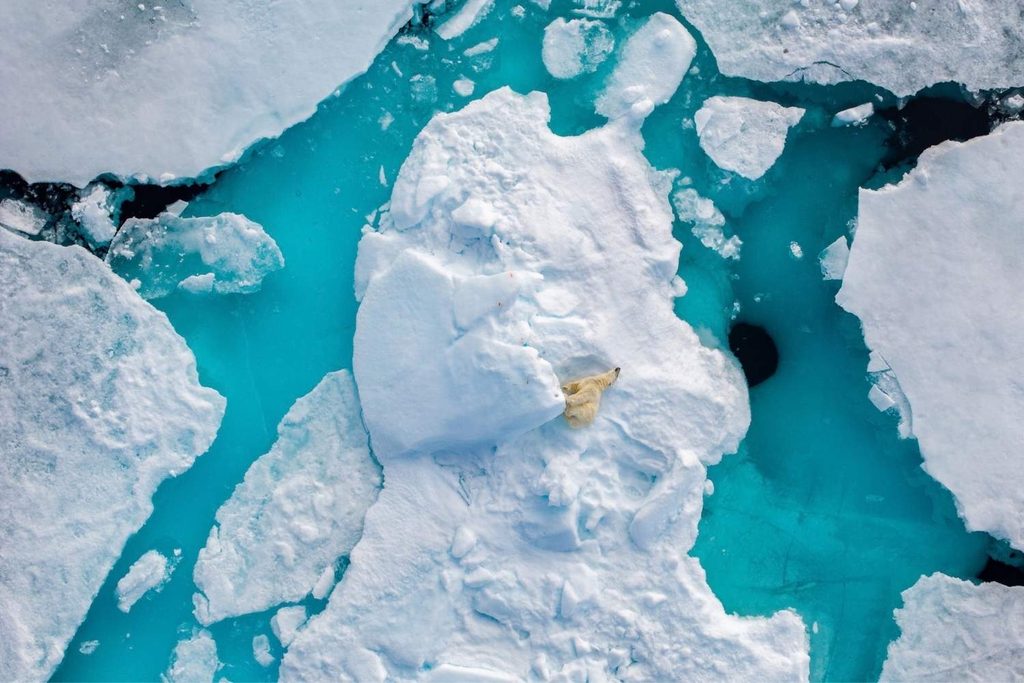
Alongside beauty, however, there is also hardship. Several photographs document the effects of extreme heat and weather events on people’s lives and work in places as far apart as Antarctica, Myanmar, and Norway. “A powerful photograph reveals how weather, climate, and water shape our lives,” said WMO Secretary-General Celeste Saulo, who thanked the professionals involved in what the agency considers one of its most cherished traditions.
Jury and Public Vote
The submission period closed on August 23. An OMM committee then compiled a shortlist of finalists, which was submitted for public voting on Facebook and Flickr between August 31 and September 7. The final decision, however, rested with the jury, which selected the 13 images to be featured in the calendar. The criteria included adherence to the theme, technical quality and composition, visual impact, and the ability to surprise. In addition to the winners, several honorable mentions were also awarded.
No artificial intelligence
On one point, the rules left no room for interpretation: images generated or manipulated using artificial intelligence were excluded. Only minor adjustments were allowed—such as slight cropping or corrections to contrast, sharpness, and color—provided they did not alter the original photograph. Each participant could submit up to three photos, in landscape format and with a resolution of at least 4,000 by 3,000 pixels, but only one photo per photographer could win. The contest was open to everyone, with no age or location restrictions, and offered no cash prizes: the reward is visibility. The rights remain with the photographers, who grant the OMM non-commercial use of the works.
From print to social media
The photographs will be featured in the organization’s printed calendar, as well as on its website, social media channels, and in outreach materials. They will be the highlight of World Meteorological Day 2027 and will be promoted to other United Nations agencies. This is a way to remind us that the climate isn’t just a matter of charts and forecasts, but something we see—and experience—every day.