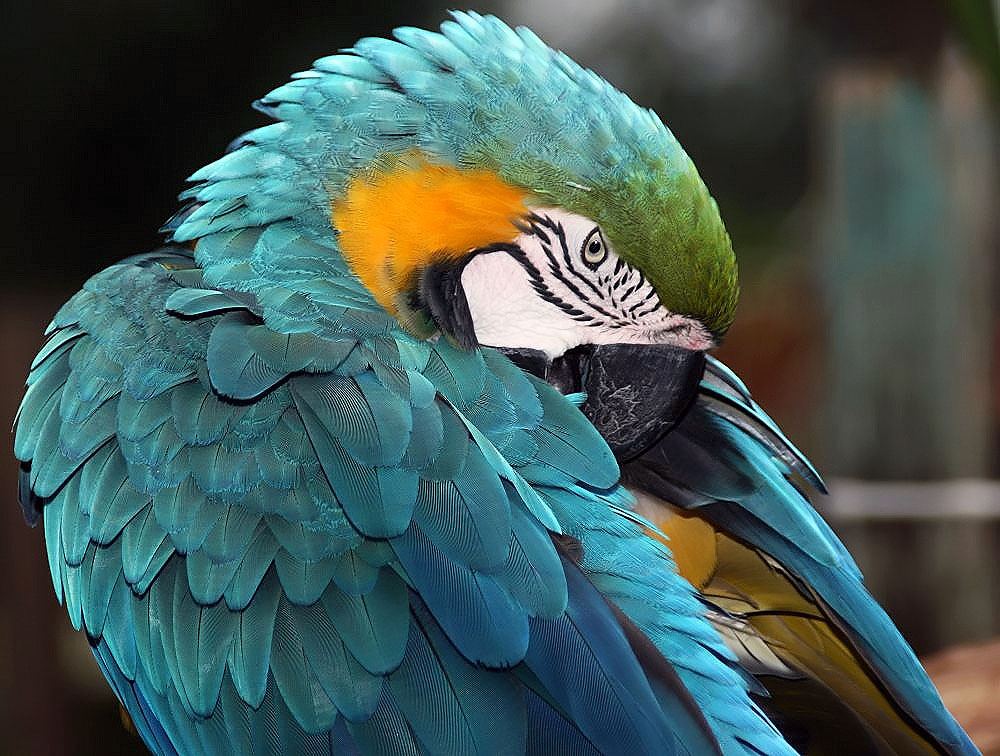
Per 200 anni l’ara gialloblù (Ara ararauna) è esistito a Rio de Janeiro come un ricordo sempre più sfumato. L’ultima traccia scientifica risaliva al 1818, nelle cronache del naturalista Johann Natterer; poi, la specie è stata spazzata via dalla deforestazione per le piantagioni di caffè e dal bracconaggio. Oggi, il Parco Nazionale di Tijuca – 4.000 ettari di foresta urbana che lambiscono il cemento della metropoli – sta cercando di invertire questa rotta.
The“Refauna” project, in collaboration withInstituto Fauna Brasil, has begun the release of the first specimens. It is a“refaunaing” effort aimed at filling the gaps left by the local extinction of large and medium-sized vertebrates: according to Refauna’s data, the park has lost about two-thirds of the mammals that populated it over time.
The “empty forest syndrome“
In many sections of the Atlantic Forest, 90 percent of plant species depend on animals for seed dispersal. Without birds and mammals to eat the fruits and carry the core away from the parent plant, the forest stops regenerating, becoming a “green museum” destined to die.
Vanessa Kanaan, direttrice dell’Instituto Fauna Brasil, ha spiegato al Guardian: “Reintrodurre specie non significa semplicemente riportare animali nella foresta. Si tratta di ricostruire relazioni ecologiche“. L’Ara gialloblù, con il suo becco capace di spaccare i semi più resistenti e la capacità di volare per decine di chilometri, funge da connettore tra frammenti di foresta isolati.
From rodents to large birds
The return of the macaw is the final step in a plan that began in 2010. The project has followed a precise hierarchy of reinsertion. In 2010, theaguti (Dasyprocta leporina), a rodent, was the first to return to the park to take care of the seed dispersal of the Joannesia princeps tree (known precisely as the “aguti nut” or “macaw nut”). Then came the reintroduction of the howler monkey, whose cry had been missing since Charles Darwin’s diaries (1832), and the yellow-legged turtle. Today, the yellow-footed macaw. The first four specimens(Fernanda, Selton, Fatima and Sueli) were monitored in an acclimatization aviary after an initial 15-day trial release. The final release of a larger group is planned for September.
Training parrots to freedom
The reintroduced specimens were recovered from situations of imprisonment or illegal trafficking. This involves complex rehabilitation work. Refauna biologists had to put the birds through physical training to rebuild their wing muscles, which had atrophied from cages, and “food training” to teach them to recognize native fruits.
The greatest risk remains interaction with humans. Tijuca welcomes 5 million visitors a year; the vibrant coloration of the macaws makes them a target for selfies and artificial feeding attempts. The team uses visual and acoustic disturbance signals to keep the birds wary of humans, a necessary condition for their long-term survival.
Refauna’s ultimate goal is the release of at least 50 specimens. As Marcelo Rheingantz, the project’s executive director, pointed out to the English newspaper, success will be measured when the macaws begin to nest independently and transport seeds outside the park’s boundaries, biologically reconnecting Tijuca to the rest of the region.