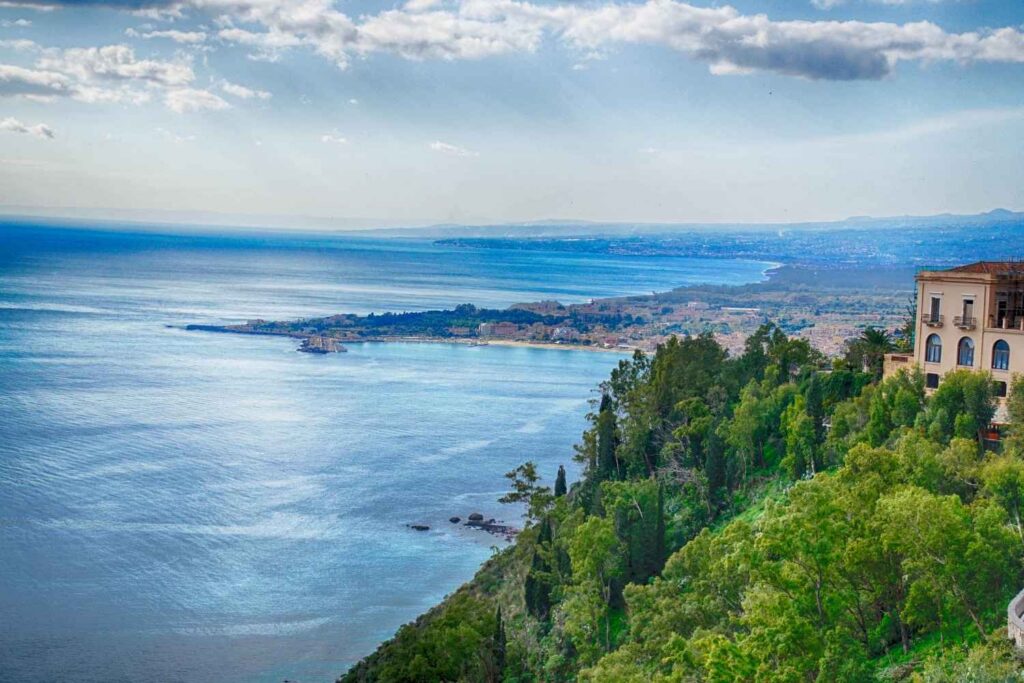
The Strait of Sicily is one of the most important stretches of sea for biodiversity in the Mediterranean. Whales, dolphins, sea turtles, and bluefin tuna pass through its waters along migratory routes that connect the different shores of the basin. Now this area, along with the Tunisian Plateau—the vast expanse of shallow seabed extending off the coast of Tunisia—has been designated a Hope Spot by Mission Blue, the international organization founded by oceanographer Sylvia Earle to promote ocean conservation.
The designation, announced on October 26 and supported by the WWF’s Mediterranean Marine Initiative, covers more than 114,000 square kilometers of ocean between Italy, Malta, and Tunisia. This is an important recognition, but it raises a question that remains unresolved: how can we ensure effective protection for an ecosystem shared by multiple countries, one that is also traversed by major trade and energy routes?
A vital corridor for marine biodiversity
The Strait of Sicily connects the western Mediterranean with the eastern Mediterranean. The diversity of its seabed and marine conditions creates habitats that are essential for the feeding, reproduction, and growth of numerous species. Preserving this natural heritage requires coordinated efforts on both sides of the Mediterranean. Animals traverse territorial waters and maritime zones subject to different jurisdictions, making collaboration among nations essential. “The ocean does not recognize the boundaries we draw on maps,” noted Sylvia Earle, founder of Mission Blue.
What Changes with Hope Spot Recognition
Hope Spots are marine areas identified by Mission Blue for their unique ecological value and the importance of their conservation.
However, this designation does not equate to the establishment of a marine protected area. It does not automatically entail new restrictions on fishing, navigation, or other economic activities. Rather, it serves to draw international attention and support the adoption of concrete conservation measures.
Since 2023, the WWF and its partners have been working with authorities, institutions, and stakeholders to identify priority areas and develop a shared strategy. The initiative is part of the international goal to protect at least 30% of the oceans by 2030.
Italy, Malta, and Tunisia Put Their Cooperation to the Test
Among the proposals put forward is the creation of a Specially Protected Area of Mediterranean Importance (SPAMI), a mechanism provided for under the Barcelona Convention, the international agreement for the protection of the Mediterranean. This designation could provide a common framework for coordinating conservation efforts among the countries involved.
This topic will be the focus of the “Mediterraneo Mare Protetto” event, organized by the WWF on Wednesday, October 28, at 6 p.m. at the MAXXI Museum in Rome, with Sylvia Earle in attendance. The new Hope Spot provides a foundation for strengthening international cooperation. The next crucial step will be to determine which areas to protect, under what rules, and through what agreements.