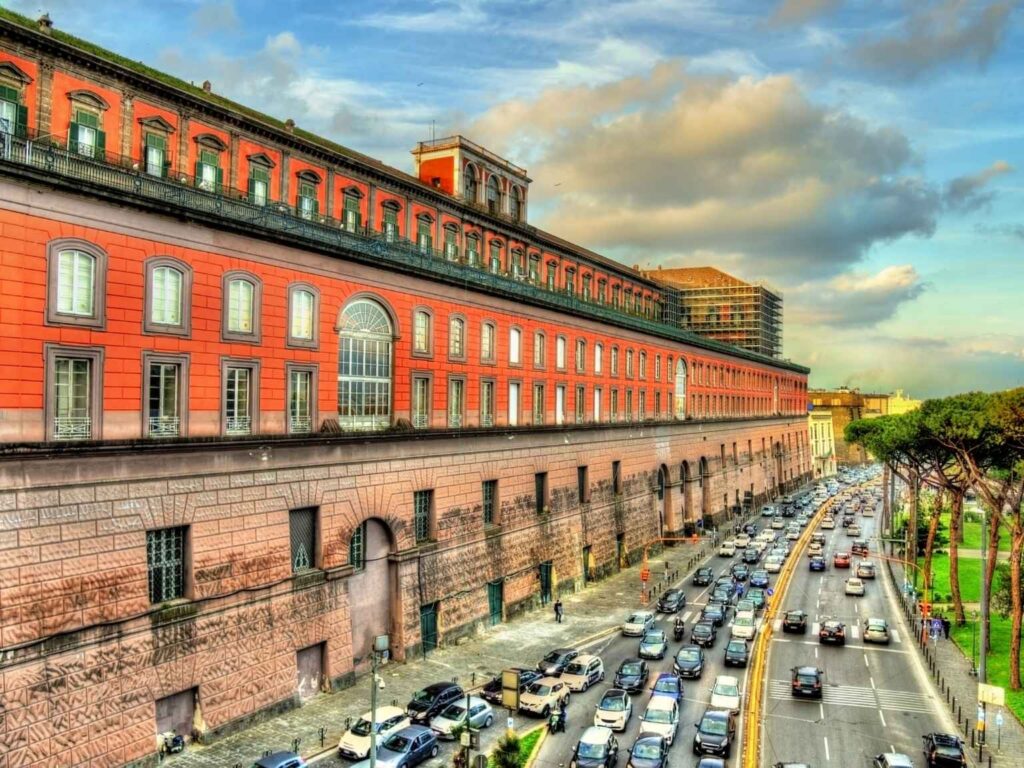
Every day, on Italian roads, a total of over 3.6 million hours are lost in traffic jams. This is time taken away from work, family, and personal life, while engines continue to consume fuel and produce emissions. The annual cost of traffic congestion amounts to 22 billion euros, roughly 1% of gross domestic product. These figures come from the third report by the SUNRISE Observatory of the National Center for Sustainable Mobility (MOST), presented on October 28 in Milan.
The study estimates that 1.33 billion hours are lost each year in traffic, more than 80% of which occur in urban areas. Spread across the entire Italian population, this amounts to about 22 hours per person.
How Much Do Traffic Jams Cost Us?
The 22 billion estimated in the report measures the total economic cost of congestion, not the sum of expenses incurred directly by drivers. This economic burden is compounded by fuel consumption: stop-and-go driving, braking, and accelerating can increase the amount of fuel needed to travel the same distance. This expense is in addition to the time lost and the consequences of air pollution.
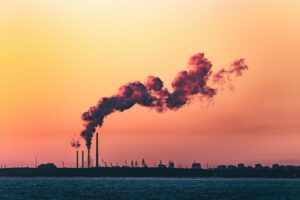
In fact, the report paints a picture of a system that is still far from meeting its climate goals. In 2025, carbon dioxide emissions from road transport—calculated based on fuel sales—remained essentially stable. Even in the most favorable scenario, according to MOST, the reduction targets set for 2030 appear out of reach.
Old Cars, More Emissions on the Roads
The aging of the vehicle fleet is contributing to the slow progress. In 2025, new vehicle registrations fell to 1.55 million, down 2.6% from the previous year. The annual vehicle replacement rate dropped from 3.85% to 3.71%.
The consequences also affect air quality. The study finds that, for cars alone, particulate matter emissions per kilometer are higher on local roads than on highways. Furthermore, in Southern Italy, particulate matter emissions per capita are about 2.7 times higher than in the North—a gap also linked to the greater prevalence of older, more polluting vehicles.
Traffic congestion is also being tackled outside cities
However, the analysis—which was conducted in part using anonymous GPS data from approximately one million cars—reveals another critical issue. More than half of the kilometers traveled by cars are in municipalities with fewer than 50,000 residents located outside metropolitan areas. Approximately 52% of automotive CO₂ emissions originate from these areas.
Journeys between 8 and 50 kilometers are particularly significant, accounting for 53% of automotive emissions. These are distances where more frequent rail and bus service, integrated transit systems, and credible alternatives to private cars can make a difference.
“We want to put this data to use in public decision-making and to assist practitioners, in order to develop policies that are more effective and better aligned with the needs of local communities,” explains Ennio Cascetta, scientific coordinator of the SUNRISE Observatory.
Reducing traffic requires action in cities—where most time is wasted—and on the routes connecting smaller towns, where the majority of kilometers are traveled. The report identifies where action is needed: the next step lies with transportation policy.