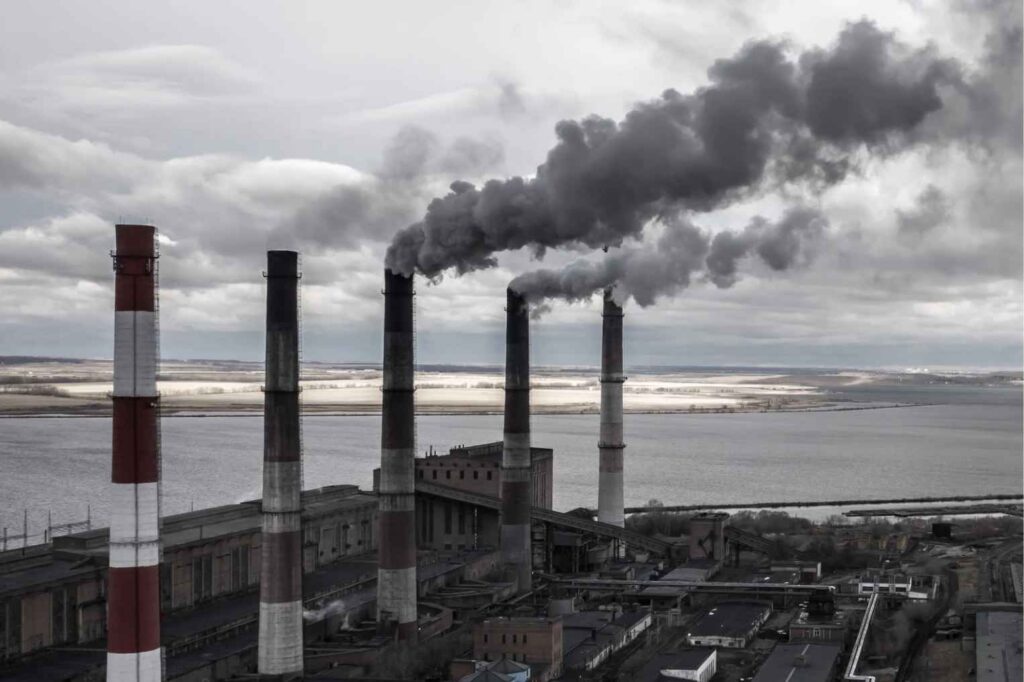
For decades, smoking was marketed as a symbol of freedom: the cowboy on horseback, a cigarette between his fingers. Then science presented the bill, and the billboards disappeared. With fossil fuels, history is repeating itself—with one difference: the bill comes in the form of heat waves, floods, and droughts, and everyone pays it, not just those who consume them.
In 2024, UN Secretary-General António Guterres called on governments to ban advertising by fossil fuel companies. Cities took action first. Since 2025, The Hague has enforced a ban enshrined in municipal law and upheld in court. This year, Amsterdam extended the ban to flights, cruises, fossil fuel energy contracts, and combustion-engine cars. Edinburgh has excluded fossil fuel-related categories from municipal advertising spaces. In the Netherlands, 18 municipalities have already taken action; worldwide, more than 60 cities and regions have done so.
Italy’s first “yes”
Now the movement is spreading to Italy. Florence, Genoa, Monza, and Rivoli had approved policy resolutions. Valdagno has gone a step further: the City Council has updated the Plan for Advertising and Public Posters, banning messages that promote fossil fuels or products powered exclusively by fossil fuels within 150 meters of hospitals, schools, public squares, parks, nursing homes, and public transportation areas. This network of bans covers a large part of the municipal territory. The ad for the diesel car is out of sight, while the one for the hybrid remains.
“We are absolutely convinced that, from a strategic standpoint, we need to provide guidance—including policy direction—to citizens so that we can all work together on the energy transition,” says Mayor Maurizio Zordan, who notes that the Agno Valley has long focused on hydropower, has joined the Paesc, the Sustainable Energy and Climate Action Plan under the European Covenant of Mayors, and has recently opted for biomass district heating for public buildings.
The Battle for the Public Imagination
The idea originated in Padua. The Padua Climate Action Week, promoted by Aequilibria, concluded in April with an appeal to Italian municipalities. Valdagno was the first to respond with a regulation rather than a declaration of intent.
“The fight against climate change is also closely linked to cultural aspects,”notes Daniele Pernigotti, CEO of Aequilibria and creator of the event. “Advertising helps shape our imagination and thus determines what is perceived as positive or negative. Banning advertising for fossil fuels is a first step toward fostering a collective mindset that supports our transition away from fossil fuels.”
One issue remains to be resolved: where does the fossil end? To prevent each municipality from drawing the line as it sees fit, Aequilibria is working with the European Committee for Standardization to develop common, scientifically based criteria for identifying carbon-intensive goods and services. “This is a necessary step so that these initiatives can be replicated on a larger scale,” concludes Pernigotti.