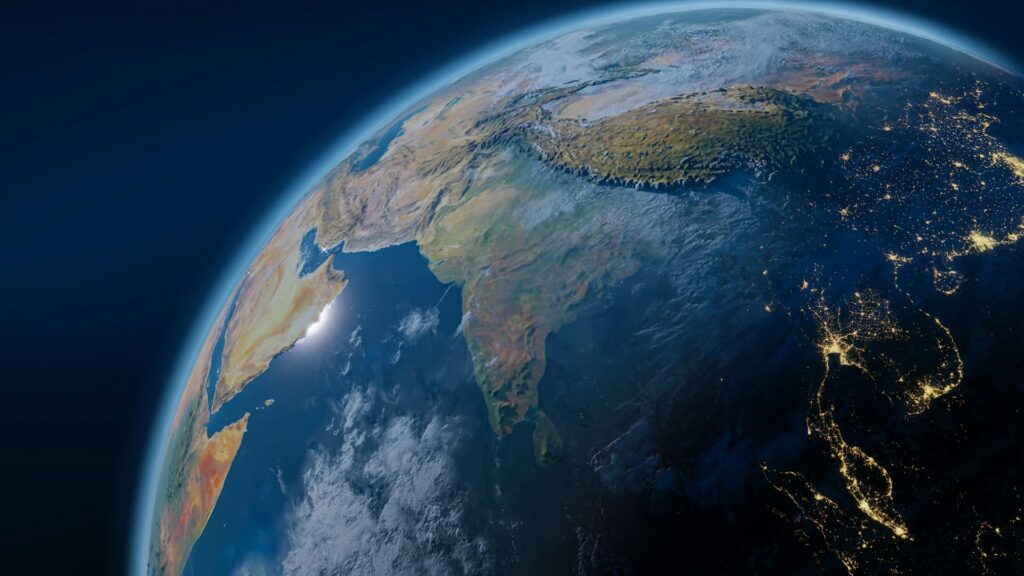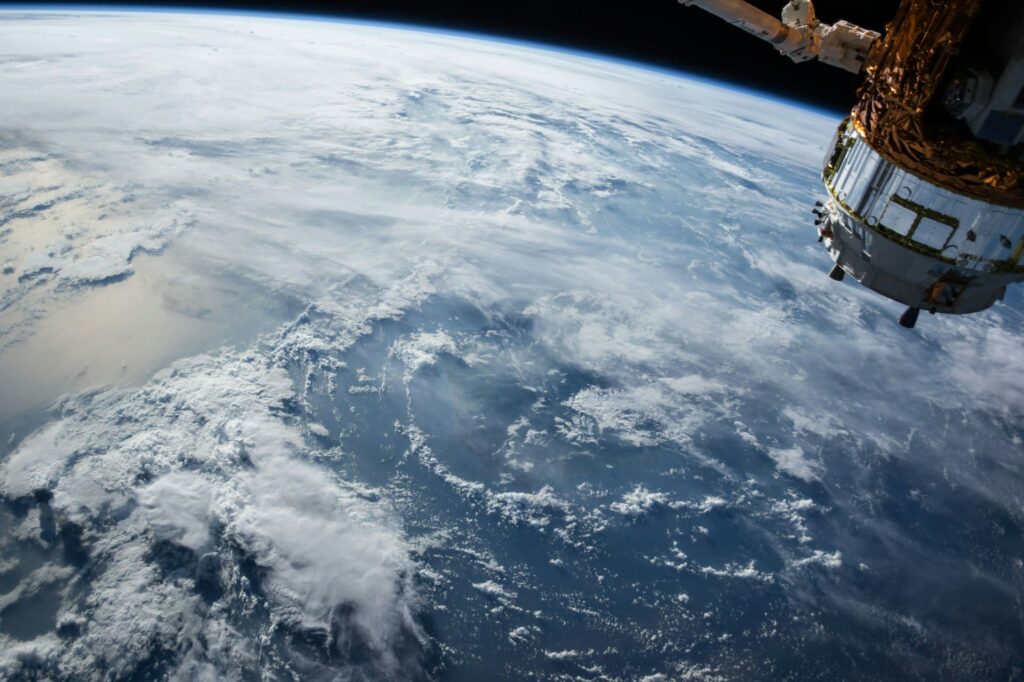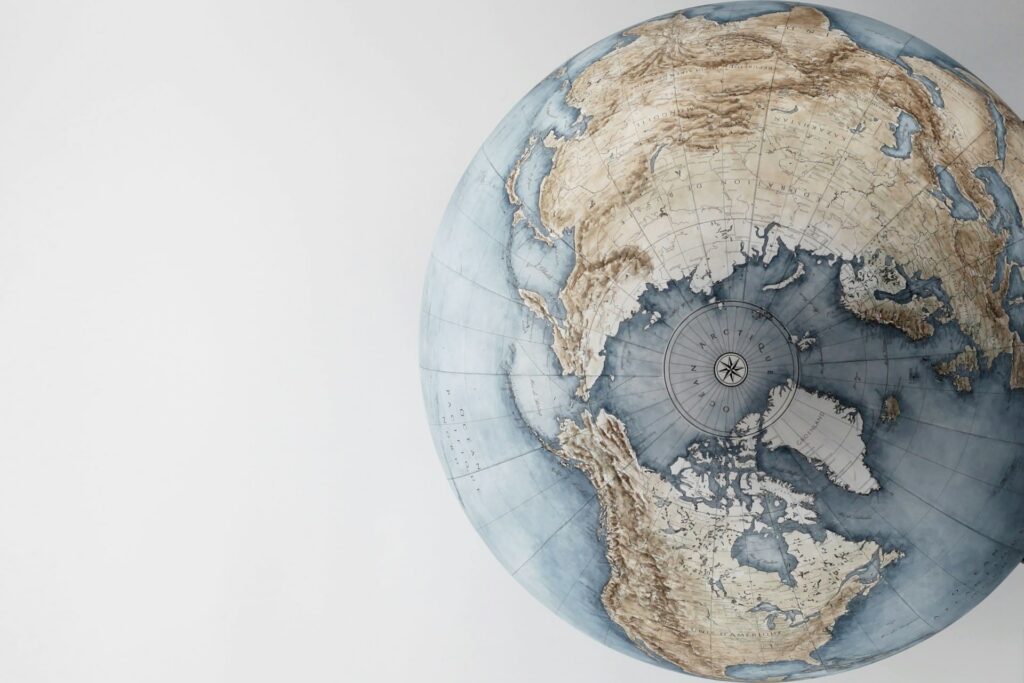
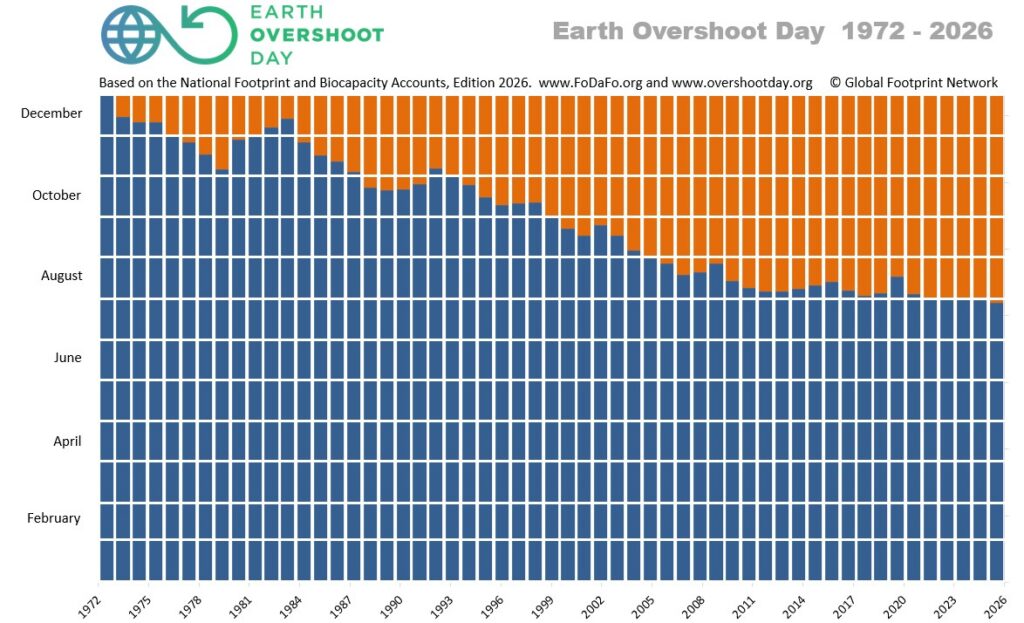
Today isEarth Overshoot Day 2026: according to calculations by the Global Footprint Network, July 30 is the day on which humanity exhausts the resources that the Earth can regenerate over the course of a year, thereby entering into an ecological debt for the remainder of 2026. This indicator compares the planet’s biocapacity—that is, the ability of ecosystems to regenerate resources and absorb the impacts of human activities—with the ecological footprint, or how much humanity consumes each year: when the latter exceeds the former, the balance goes into the red.
The numbers reveal what has now become a structural imbalance. Today, humanity uses resources equivalent to 1.73 Earths—a trend that has continued unabated since 1970, the year the first global overshoot was recorded. According to the WWF, the accumulated ecological deficit now corresponds to 20.6 years of the planet’s regenerative capacity. In other words, we continue to consume natural capital that can no longer be replenished at the same rate.
Italy is reaching its limit well ahead of schedule
While the global figure is cause for concern, the Italian one is even more significant. Italy’s national Overshoot Day fell on May 3. This means that if the entire world population were to adopt the same consumption levels as Italy, the annual budget of natural resources would be exhausted within the first four months of the year.
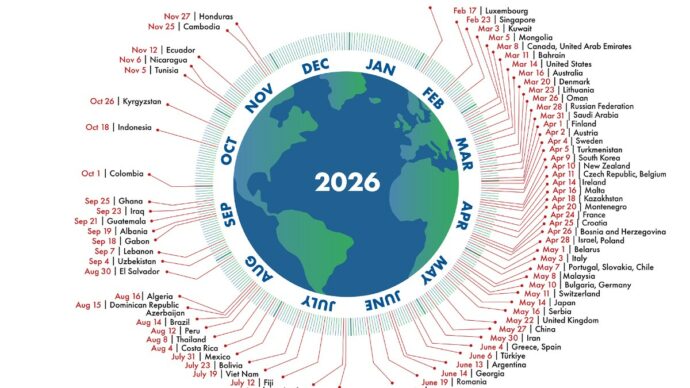
In addition to greenhouse gas emissions, the calculation also takes into account land use,forest use, fishery resources, agricultural land, and the capacity of ecosystems to absorb carbon dioxide. The result is an effective indicator of how far our production and consumption model has strayed from natural balances.
The challenge lies with the cities
For WWF Italy, a crucial part of the solution lies in urban areas. Today, more than half of the world’s population lives in cities, and estimates suggest that by 2050, that figure will rise to about 70%. Although they occupy just 3% of the Earth’s land area, urban centers account for about 75% of energy consumption and 70% of global greenhouse gas emissions, while generating more than 80% of global GDP.
“Cities do not end at their borders: their ecological footprint extends far beyond their administrative boundaries,” notes Eva Alessi, head of sustainability at WWF Italy, emphasizing that investing in sustainable transportation, energy-efficient buildings, shared services, more sustainable food systems, the circular economy, and more urban nature means helping to reduce the ecological footprint, improve quality of life, and postpone Earth Overshoot Day.
The schedule may still change
According to the Global Footprint Network, accelerating the adoption of renewable energy and energy efficiency, reducing dependence on fossil fuels, curbing food waste, promoting more sustainable mobility, and strengthening the circular economy would make it possible to gradually push this date further into the future.
July 30, therefore, does not mean that the Earth’s resources have disappeared. Rather, it serves as a reminder that the rate at which we consume them continues to exceed the rate at which the planet can regenerate them. And the fact that Italy had already exhausted its ecological budget by May shows just how much the window for postponing this limit depends above all on the choices we make every day, but also on public policies, investments, and the development model we choose to support.