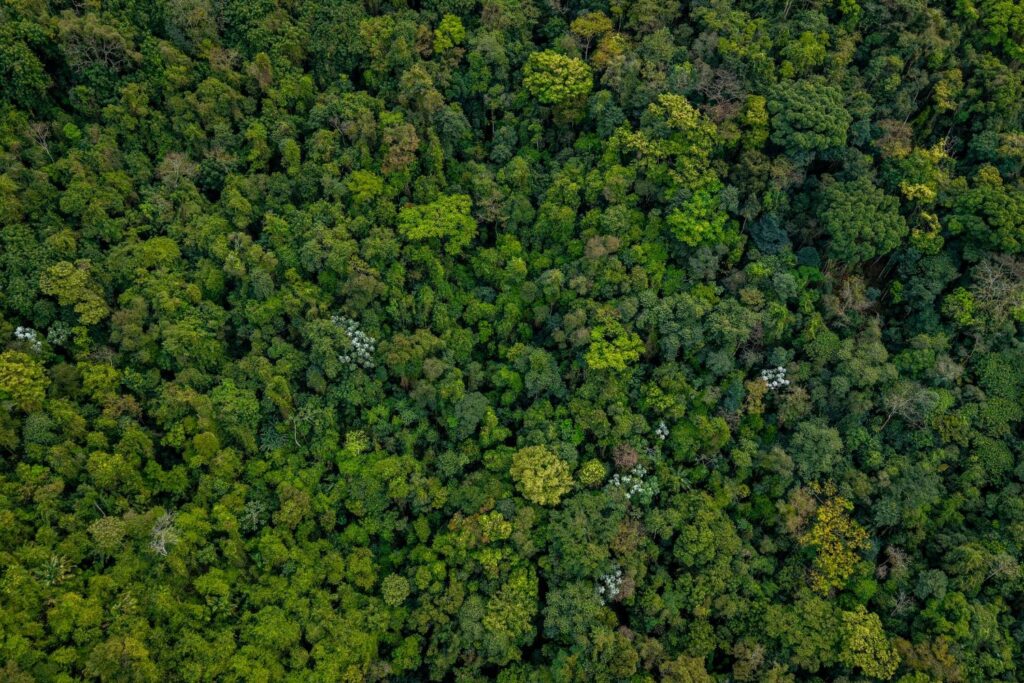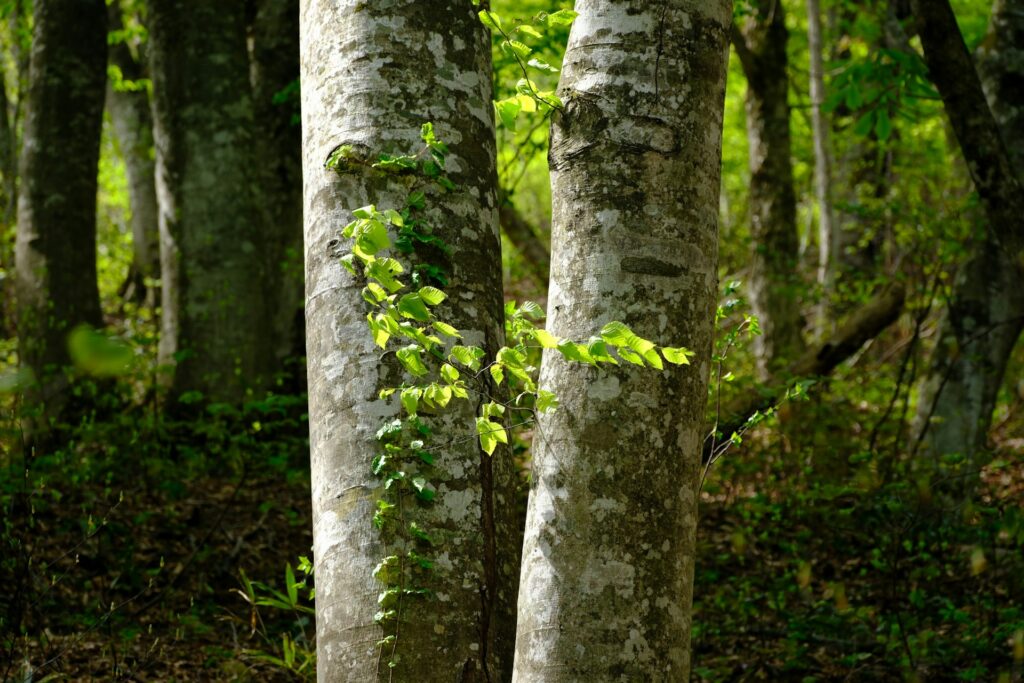
European forests as we know them today may be gone by 2100. Not because of drought or devastating fires-though those threats remain real-but because of a shift in the balance among the tree species that have defined the continent’s landscape for centuries. Conifers, the undisputed protagonists of vast areas of forest from the Alps to Scandinavia, are in danger of losing ground to deciduous hardwoods such as beech and oak.
This is according to a study published in the journal Communications Earth & Environment, the result of an international collaboration involving more than 30 researchers from across Europe. Participating for Italy were Alessio Collalti and Daniela Dalmonech from the Institute for Mediterranean Agricultural and Forestry Systems of the National Research Council in Perugia, Italy (CNR-Isafom).
An unprecedented analysis
The research represents one of the most extensive ever conducted on forest species competition at the continental scale. To reconstruct future scenarios, the team developed a deep-learning system trained on more than 135 million forest years-simulated from 17 ecological process models developed in different European countries. An artificial intelligence tool then projected, on a continental scale, how the competitiveness of nine of Europe’s most relevant forest species would change under different climate scenarios.
The results are stark: six of the nine species analyzed lose competitiveness under climate change scenarios, and these include all the major evergreen conifers considered in the study. Spruce, white spruce and lodgepole pine show marked decline, especially in the warmer and drier portions of their range. Deciduous broadleaf trees, on the other hand, hold up better and even strengthen their position in many contexts.
Under the most severe climate scenario, about 25 percent of Europe’s forests could face a dominant species change by 2100, totaling about 96 million hectares. The most vulnerable areas coincide with major ecological transition zones-the Alpine regions, southern Scandinavia, parts of the Mediterranean area-where species adapted to different climates already face each other at the limits of their respective ranges.
Where the risk is highest
It is at the warmer edges of the ranges that the most pronounced changes will be concentrated. These are the areas where trees already live close to their physiological limits: further increases in temperatures and frequency of water stresses may break balances that have been maintained for centuries. In these contexts, the change in forest composition could be relatively rapid.
The scale of the phenomenon has implications that go far beyond ecology. Conifers now account for more than half of Europe’s forests and are a key component of both the timber industry and atmospheric carbon sequestration. Their significant decline would also redraw the map of the continent’s forest resources, with economic and climate impacts that are difficult to quantify today but impossible to ignore.
The study is not just a forecasting exercise. Its results have direct application value for those managing forests today-from silviculturists to land administrations to policymakers. Knowing where and when certain species are at risk of losing competitiveness makes it possible to take action in advance: choosing species better suited to future climates, diversifying forest composition, and strengthening ecosystem resilience before change becomes irreversible.