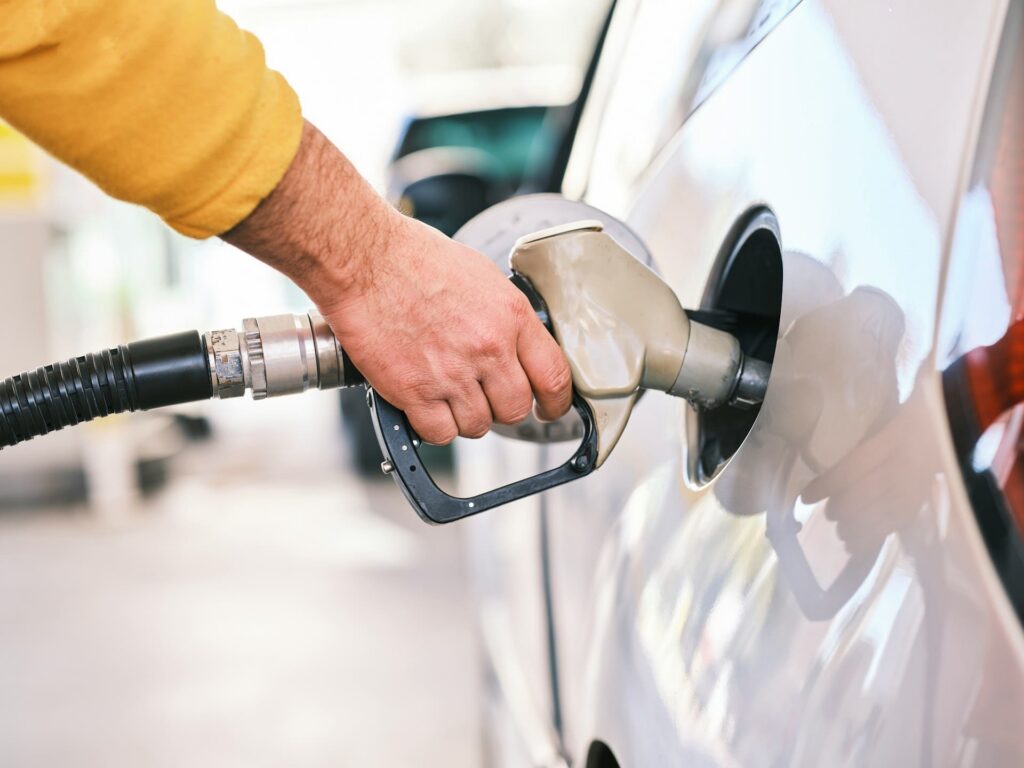
Starting January 1, 2026, gasoline and diesel will be subject to the same excise tax: 672.90 euros per thousand liters. Behind this realignment lies the elimination of one of the most entrenched environmentally harmful subsidies in the Italian tax system: the different treatment of the two fuels. This is the most concrete piece of news contained in the eighth edition of the Catalog of Environmental Subsidies, the document through which the Ministry of the Environment and Energy Security annually maps economic measures that have an impact on the environment and submits them to Parliament and the Interministerial Committee for Ecological Transition (CITE).
The First Taboo Is Broken
The process began with Legislative Decree No. 43 of March 2025 and called for a gradual adjustment over five years. The 2026 Budget Law, however, accelerated the process: a reduction in the excise tax on gasoline and an increase in that on diesel, both by 4.05 cents per liter, until they are aligned. For biodiesel and HVO produced through synthesis or hydroprocessing, a reduced rate of 617.40 euros per thousand liters remains in effect for five years, subject to European rules on state aid.
For 2025, the Catalog estimates 22.4 billion euros in harmful subsidies (SAD), down by approximately 1.3 billion compared to 2024. The most significant cuts relate specifically to the different tax treatment of gasoline and diesel (about 600 million), the fringe benefit on internal-combustion company cars provided to employees (545 million), and the reduced VAT rate on primary residences (398 million).
On the other hand, the other side of the equation—favorable subsidies (SAF)—is growing significantly , rising to 82.5 billion. This figure is driven primarily by construction incentives: the “condominium bonus” alone rose from 8.2 to 15.3 billion in a single year, while the reduced VAT rate on renovations resulted in nearly 2.9 billion in lost revenue. The 22.1 billion in uncertain subsidies (SAI)—measures lacking clear environmental conditions—remain in a gray area. In total, this edition examines 193 incentives with financial implications, with an aggregate value of nearly 127 billion.
Fossil fuels still account for 20 billion
Despite the excise tax reform, subsidies for fossil fuels will total 20.6 billion in 2025. The UN indicator that measures them as a percentage of GDP (12.c.1) had risen to a peak in 2023 and began to decline again in 2024. But ISTAT warns: in a ten-year comparison, the figure remains among those showing deterioration for Goal 12 of the 2030 Agenda, and a one-year slowdown is not enough to resolve the structural problem. At the European level, too, the picture is concerning: the Commission estimates 111 billion in fossil fuel subsidies in the EU in 2023, down 18% from the record levels of 2022 but still far from the 2030 phase-out target.
The New Green Subsidies
Alongside the cuts, the eighth edition introduces eight new tax breaks. In the energy sector, excise tax breaks are being introduced for sustainable biodiesel and HVO, intended as renewable alternatives to fossil fuels. In the transportation sector, key measures include incentives for renewing the commercial vehicle fleet and a portion of the fringe benefit allowance reserved for fully electric company cars. Also included are a fund to help young people get started in agriculture, discounts on guarantees for companies with environmental certifications, incentives for recycled textile fibers, and a subsidy for the purchase of energy-efficient large appliances. On the waste management front, the budget law has also eliminated a harmful subsidy by excluding landfill disposal and incineration without efficient energy recovery from the reduced 10% VAT rate.
The schedule is tight. The PNRR calls for an initial reduction in harmful subsidies of 2 billion by 2026 and another 3.5 billion by 2030. The European VAT reform (Directive 2022/542) requires the elimination of reduced rates on fossil fuels, peat, and firewood by January 1, 2030, and on pesticides and chemical fertilizers by 2032. On the nature front, by September 2026, Italy must submit its National Restoration Plan to Brussels, linked to the Biodiversity Strategy for 2030 and the commitments of the Kunming-Montreal Global Framework, which calls for reforming harmful subsidies and protecting at least 30% of terrestrial and marine areas.