Once upon a time, there was a belief that sustainable travel was a privilege reserved for the few. Similarly, a misleading equation has for too long associated the word “sustainable” with eco-resorts at astronomical prices, organic menus that are almost prohibitively expensive, and complex logistical arrangements. Today, reality has turned this paradigm on its head: being sustainable today means traveling more intelligently.
In a summer marked by the high cost of living, constant price hikes on scheduled flights, and skyrocketing car rental costs, sustainability proves to be your wallet’s best ally. Traveling by local public transportation and taking advantage of discounts designed for responsible travelers allows you to enjoy an authentic, relaxing, and significantly more affordable travel experience. For those looking for the perfect summer vacation destination, Europe offers five regions that demonstrate how respect for the environment goes hand in hand with real savings.
1. Ljubljana and the Isonzo Valley (Slovenia)
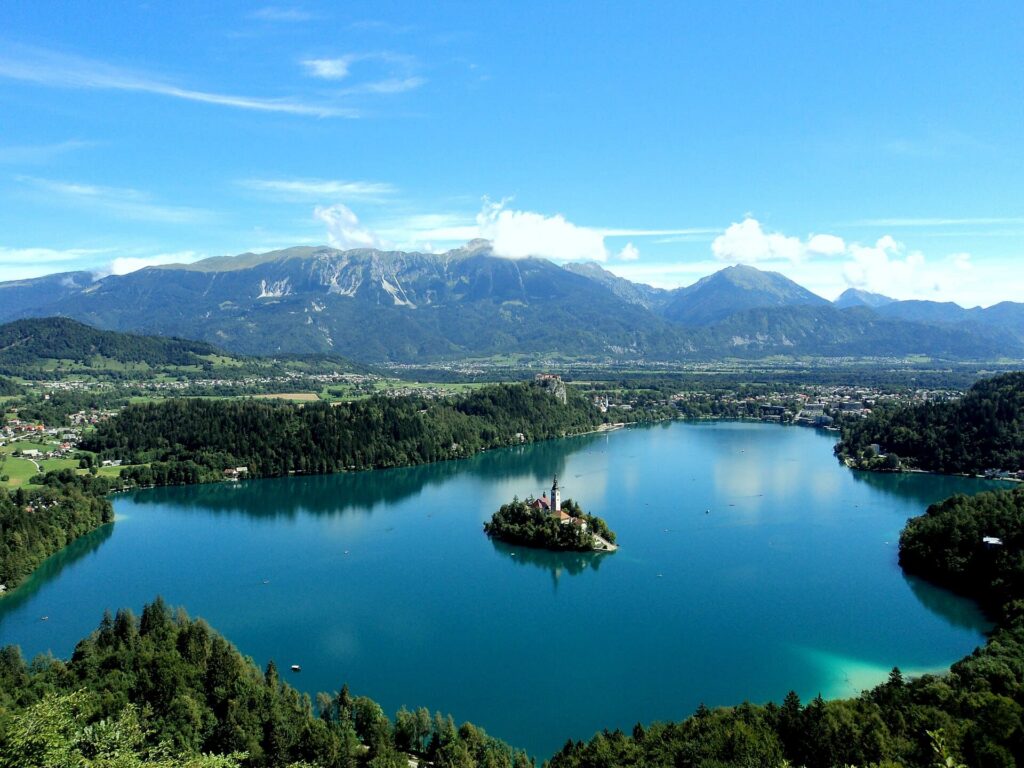
Slovenia was among the first countries in the world to be designated a global green destination according to the international standards of Green Destinations. Its capital, Ljubljana, has completed an urban renewal project by completely closing its historic center to motorized traffic, thereby reducing noise and air pollution. The city can be explored in complete comfort on foot or by using BicikeLJ, the municipal bike-sharing system that offers the first sixty minutes of every ride completely free of charge.
Heading north, among the peaks of the Julian Alps, savings take different forms depending on the area. In Bled and Radovljica, guests who stay at least three nights at a participating property receive the Julian Alps Card free of charge, which provides access to shuttles to mountain trails and discounted admission to local attractions. In the Isonzo Valley, the card works differently: you purchase it with a minimum stay of two nights, and it includes free admission to attractions, shuttle buses on specific tourist routes, and a round-trip train ticket to Nova Gorica or Ljubljana. In both cases, however, it effectively eliminates a large portion of the costs associated with fuel and the exorbitantly priced alpine parking fees.
2. Freiburg and the Black Forest (Germany)
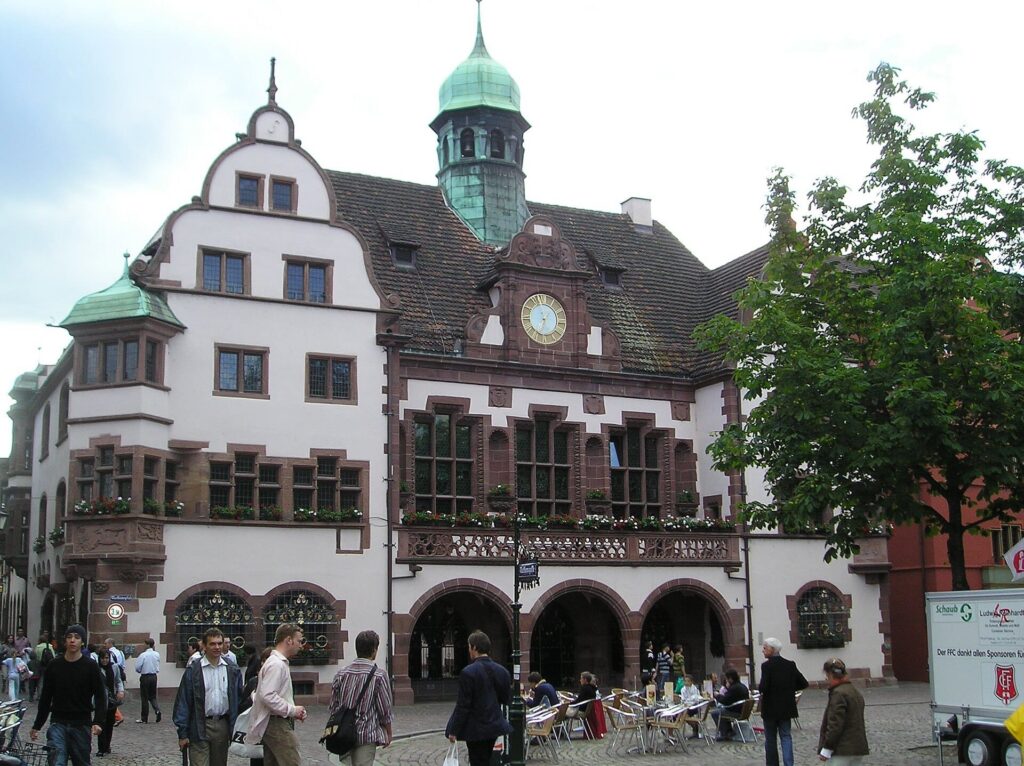
Located in southwestern Germany, Freiburg im Breisgau is widely regarded as the ecological capital of Europe. Famous for the Vauban district—a global model of sustainable urban planning featuring bioclimatic architecture—Freiburg is the ideal starting point for exploring the fairy-tale landscapes of the Black Forest.
If you stay even just one night at one of the more than 140 destinations in the area, you’ll automatically receive the KONUS card at check-in. This pass gives you free and unlimited access to all regional buses and trains on the RB, RE, and S-Bahn lines across a territory spanning thousands of square kilometers. This allows you to plan trips to Lake Titisee and Lake Schluchsee or hike along kilometers of mountain trails without spending a single euro on car rentals or transportation tickets.
3. The Brittany Coast by Train and Bike (France)
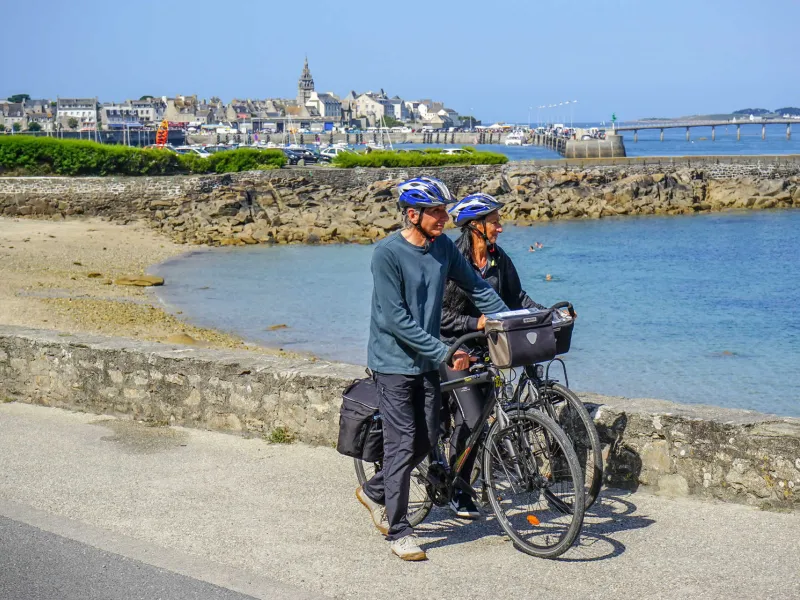
For those who love the sea but want to escape the overcrowded beaches and inflated prices of the Mediterranean during peak season, Brittany offers an alternative. The region has invested in integrating the regional TER rail network with major national bike routes, including the famous Vélodyssée.
By taking advantage of discounted summer fares on French regional trains—such as the promotional TER BreizhGo tickets—you can easily travel along the pink granite cliffs while bringing your luggage and bicycles with you. In addition, the local culture strongly values the *marchés du terroir*, the traditional farmers’ markets. Buying fresh oysters at the small harbors, local cheeses, and classic buckwheat galettes directly from the producers allows you to put together gourmet, locally sourced packed lunches for less than a third of the cost of the tourist menus at coastal restaurants.
4. The Norwegian Fjords by Train (Norway)
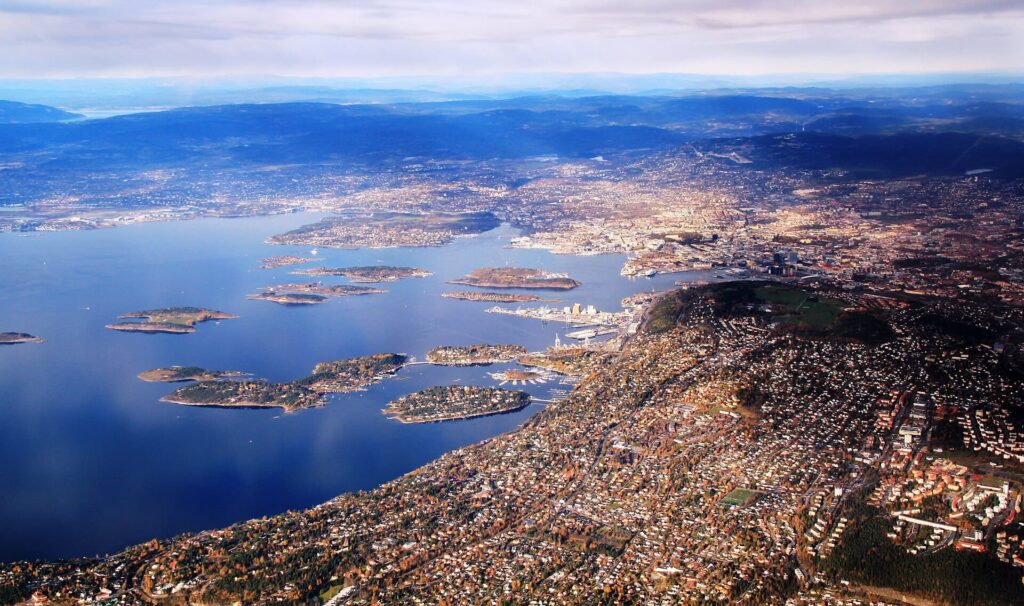
Norway has historically had a reputation as a prohibitively expensive destination for budget travelers. However, the country’s green transition has opened up unexpected opportunities for savvy travelers. The Bergensbanen railway line, which connects the capital, Oslo, to Bergen via the Hardangervidda plateau, is consistently ranked as one of the most scenic train routes in the world.
If you book your tickets a little in advance on the Norwegian railway company Vy’s website using the “Low-fare” promotional rate, the cost is quite comparable to that of Italian trains. The real game-changer, however, is Norway’s historic Allemannsretten law—the right of public access. This law guarantees anyone the freedom to walk, camp, and pitch a tent in unspoiled nature, provided they stay at least 150 meters away from residential areas. This completely eliminates lodging costs for camping and hiking enthusiasts who want to travel with zero environmental impact.
5. Gotland and Visby (Sweden)
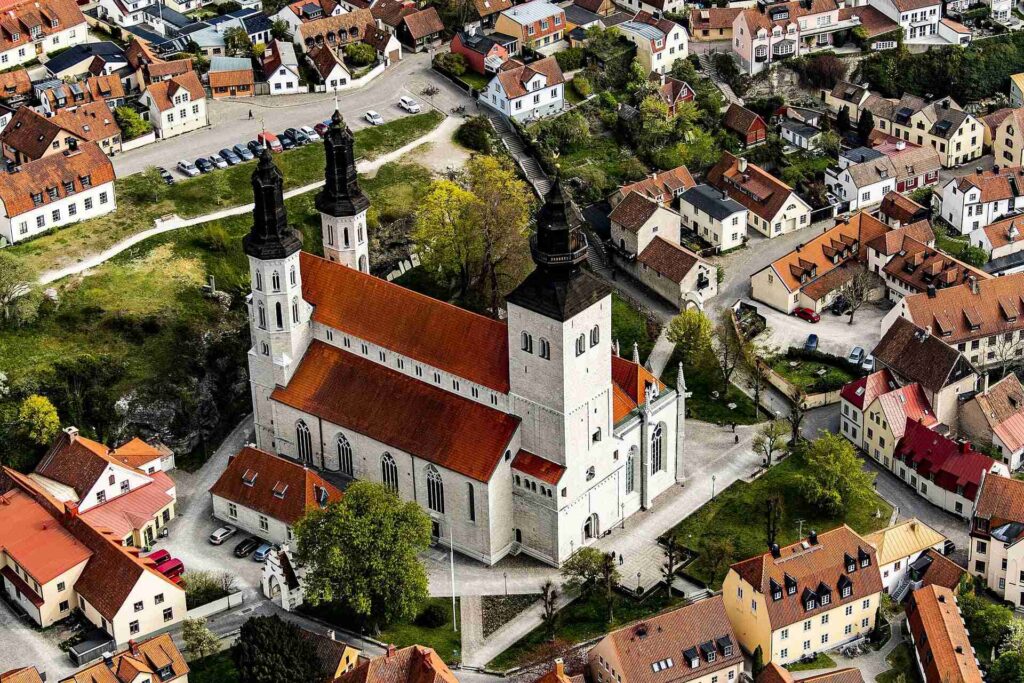
In the Baltic Sea, the Swedish island of Gotland and its medieval capital, Visby—a UNESCO World Heritage Site—serve as an open-air laboratory for island sustainability. The island is implementing an energy transition plan to achieve self-sufficiency through renewable energy sources, within a framework already aligned with the European ban on single-use plastics, which has been in effect throughout the Union since 2021.
The island’s terrain is flat and crisscrossed by an extensive network of bike paths separated from vehicular traffic, making the use of a car unnecessary. Many local lodging facilities adhere to strict protocols against food and water waste, offering discounted rates to guests who choose to stay for at least a week. Thanks to local anti-waste initiatives and zero-kilometer markets, it’s easy to access affordable local organic products while supporting the island community’s economy.
Travel Better While Spending the Right Amount
Choosing a vacation means reconnecting with the natural rhythms of travel, appreciating the journey just as much as the final destination, and supporting the local economies of the regions that host us. It’s a simple shift in perspective that’s good for the environment and, at the end of the vacation, is easy on your bank account, too.