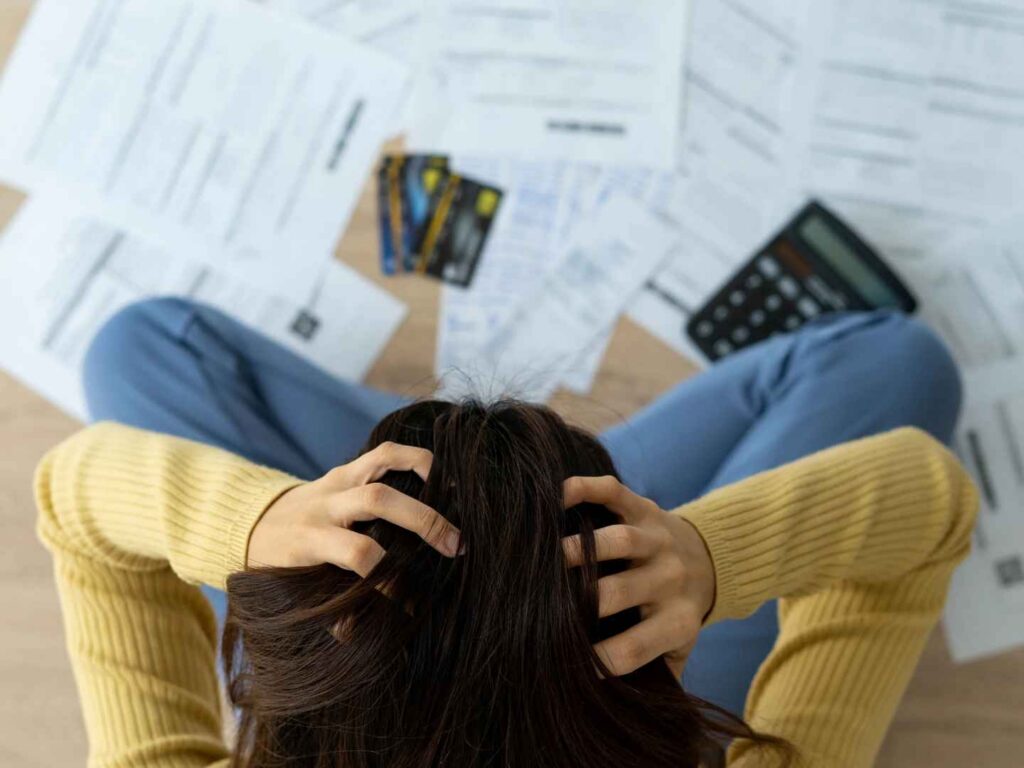
High energy costs continue to weigh on Italian households’ budgets. Over the past twelve months, seven out of ten people have seen their purchasing power decline significantly due to rising electricity, gas, and fuel prices. For 24%, the decline has been drastic. And some people, in order to make ends meet, have cut back on essential expenses or delayed paying their bills.
This picture of the situation comes from the eighth European Investment Bank (EIB) Climate Survey, published on November 5 and conducted in collaboration with Ipsos BVA among 23,000 European citizens, including 1,000 Italians.
What Italians Are Cutting Back On
The consequences are reflected in everyday choices. Forty percent of respondents said they had cut back on spending on food or health care, while 34% had turned down the heat at home. Even more significant are the figures on financial difficulties: 22% have taken on debt, sought financial assistance, or delayed paying a bill, compared to the European average of 16%.
Travel has also become an area where people are cutting back. 63% have changed their car usage: 32% have limited their travel to only what is absolutely necessary, and another 32% have given up trips and visits to relatives or friends. Only 13% have opted for alternatives such as public transportation, bicycles, or carpooling.
These are individual responses to a problem that respondents view as increasingly structural. And they explain why the cost of energy has become a central issue in the debate on the ecological transition as well.
The Energy Transition
81% of Italians consider it urgent to accelerate the energy transition, six points above the European average. But compared to 2022, the order of priorities has changed. Four years ago, the need to combat global warming was the top priority. Today, 88% cite reduced oil and gas imports as one of the expected benefits, while 84% point to lower or more stable prices. The same percentage recognizes the contribution to the fight against climate change.
“For Italians, the transition is not just about climate action: it also means ensuring Europe’s energy independence and making energy affordable,” notes Gelsomina Vigliotti, vice president of the EIB.
This concern also extends to the future: 83% fear that slowing down the transition could lead to a lasting increase in energy prices and the cost of living.
Heat Pumps and Solar Power
The survey also reveals a strong willingness to adopt new technologies. Sixty percent of Italians say they have already installed a heat pump or plan to do so within three years, compared to a European average of 41 percent. This figure therefore includes both existing systems and future plans, without distinguishing how many have already made the investment.
Heat pumps use electricity to transfer heat and can replace traditional heating systems powered by fossil fuels. As for energy sources, solar energy is the top choice for 62% of respondents—ten percentage points above the European average—followed by wind power at 34%.
However, Italians are also calling for a joint European response: 68% prefer to finance the transition using resources shared among member states, rather than relying on individual national budgets.
The economic issue remains unresolved. The survey reveals a strong willingness to change technologies and consumption patterns, but at the same time highlights the difficulties many households face in covering their daily expenses. This disparity makes the initial cost of the measures, access to financing, and the potential for actual savings on utility bills critical factors.