Denmark’s new government has presented its cabinet with a decision that is unprecedented in Europe: to abolish the Ministry of Agriculture, a ministry that has been in existence for over 130 years. In its place, the Ministry of Nature and Animal Welfare has been created, while the other responsibilities of the former agriculture sector have been distributed among the traditional ministries. The announcement was made by Prime Minister Mette Frederiksen, who leads a center-left coalition.
A strong symbolic value
This decision carries strong symbolic significance. For over a century, agriculture in Denmark—as in the rest of the West—has had its own institutional body. Now, agricultural production is losing this autonomy and is being brought under a broader framework that prioritizes biodiversity, ecosystems, and animal health. The new ministry is headed by Social Democrat Christian Rabjerg Madsen, formerly the Minister of the Interior, who will be tasked with leading the country’s green transition.
The context helps illustrate the scope of the reform. Denmark is one of the world’s leading exporters of pork, and the number of pigs raised in the country far exceeds the population: approximately 28 million pigs per year compared to 6 million people, with over 200 million animals passing through farms each year. Ninety percent of pork production is exported. This intensive model has long been criticized for its environmental impact and controversial practices, such as tail docking of piglets.
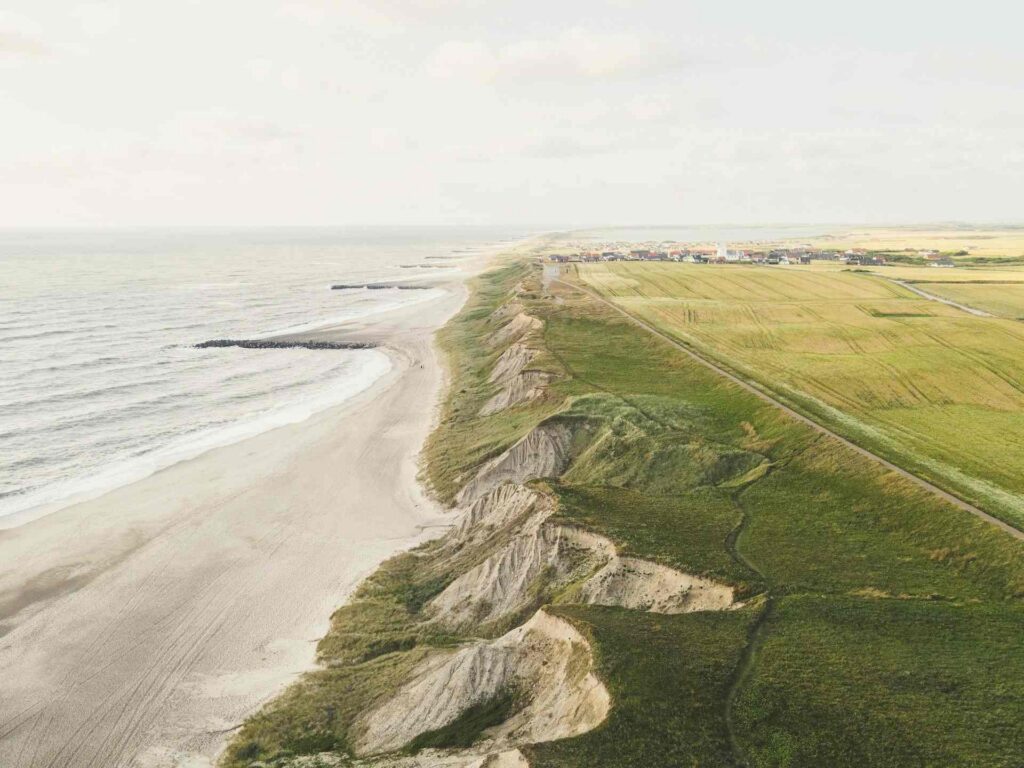
Specifically, the former responsibilities for agriculture, food, and fisheries are being divided among five ministries: the new Ministry of Nature and Animal Welfare will assume the largest share, while food safety will be transferred to the Ministry of Enterprise and fisheries to the Ministry of the Environment. The reform is based on an agreement already signed between the government, the agricultural sector, labor unions, and environmentalists to rethink land use and reduce the sector’s emissions. Three billion Danish kroner—approximately 400 million euros—have been allocated to convert hundreds of thousands of hectares of farmland into protected areas and nature parks by 2030.
A Clear Message
Animal welfare had been one of the central themes of the new government’s election campaign, and with this move, it aims to send a clear message: the agricultural sector must embrace the changes necessary to protect the environment and animals. Animal rights groups have welcomed the reform, emphasizing that, for the first time, farm animals will have a political representative free from industry interests. However, there has been criticism from some in the agricultural sector, who argue that dividing responsibilities among multiple ministries risks weakening decision-making capacity in a sector that is strategic for food security.