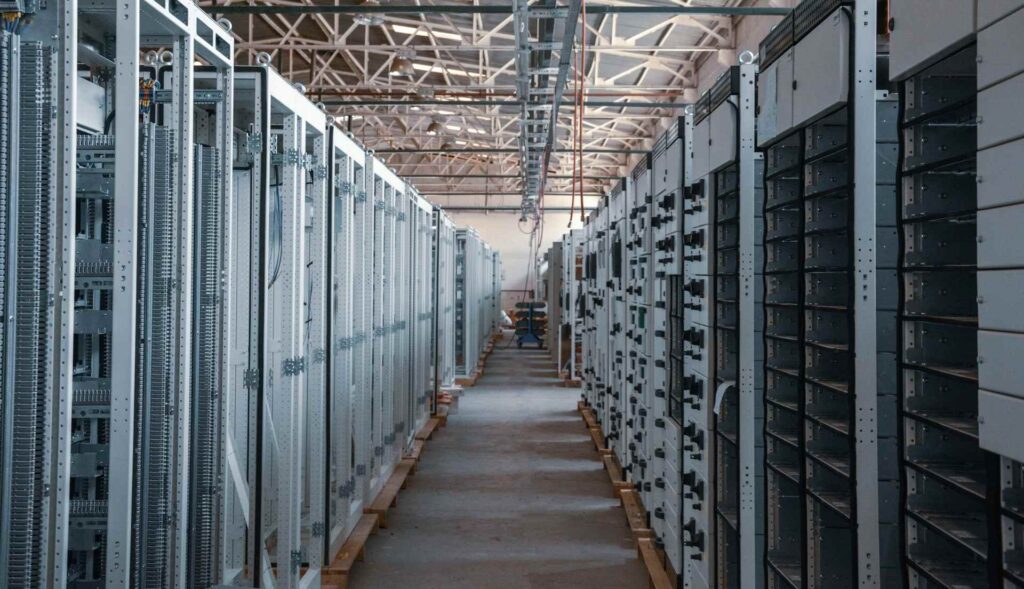
Monterey Park is a small city in the San Gabriel Valley in the Los Angeles metropolitan area: population 60,000 and a strong presence of residents of Asian descent. On June 3, 2026, its voters, with 86 percent of the vote in favor, permanently banned the construction of any data center within municipal boundaries. Not a temporary moratorium-a popular law that can only be lifted through a new referendum.
This had never happened before in the United States. Other cities had adopted temporary blockades or zoning restrictions, but none had come to a final ban approved directly by citizens.
It all started with a project by investment firm HMC StratCap, which wanted to demolish an office building on Saturn Street and build a nearly 23,000-square-foot data center in its place. The news had triggered a swift, cross-party mobilization. In April, the city council had already approved a moratorium; by referendum, citizens chose to make the ban structural.
Not just Monterey Park: the protest expands
The vote had an immediate resonance in neighboring municipalities. In cities in the San Gabriel Valley, where several digital infrastructure projects are underway or under discussion, local committees have begun to organize, taking the Monterey Park experience as a model.
Discontent is not confined to California. According to a March 2026 Gallup poll, seven in 10 Americans say they oppose building dedicated artificial intelligence data centers in their communities. Reasons cited include water consumption, possible increases in electric bills, and a more general sense of alienation from facilities that bring few local jobs and many environmental impacts.
Industry is not standing idly by. Large companies in the industry say they are investing in cooling systems that use recycled wastewater, and that they are committed to building new electricity infrastructure. But for many communities, reassurances are not enough, especially in the absence of independent audits and transparency requirements.
The bill that no one presented
The Monterey Park vote comes at a time when the environmental issue related to data centers has ceased to be the preserve of insiders. On June 3, 2026, the United Nations University Institute for Water, Environment and Health (UNU-INWEH) released a report that for the first time systematically quantifies the ecological cost of artificial intelligence: not only CO₂ emissions, but also water and land consumption.
By 2030, data centers supporting AI will consume 945 terawatt-hours of electricity per year-almost three times the combined needs of Pakistan, Bangladesh, and Nigeria. Over the same period, their water consumption will reach about 9.3 trillion liters, an amount comparable to the basic water needs of the entire population of sub-Saharan Africa, more than 1.3 billion people. If data centers were a nation, they would rank sixth in the world in electricity consumption in 2030.
The California case thus poses an issue that goes far beyond the San Gabriel Valley. The digital and artificial intelligence revolutions have a physical, real cost that falls on precise territories and communities. Until now, this cost has been largely invisible, hidden behind the “intangible” image of cloud and data. The UN report, along with the Monterey Park vote, helps make it visible.