The “Deep Arctic” scientific expedition led by Greenpeace International along the Arctic Mid-ocean Ridge ended in the Norwegian port of Bergen in early June. One hundred and fifty hours of high-resolution video footage and more than four hundred biological samples taken up to 3,000 meters deep make up the balance of a month of research in the depths of the North. The data collected by the researchers aim to define the ecological value of an area that the Oslo government opened to mining in 2024, before protests from scientists, fishermen, and political opposition forced a freeze on exploration until 2029.
New species and molecules for medicine
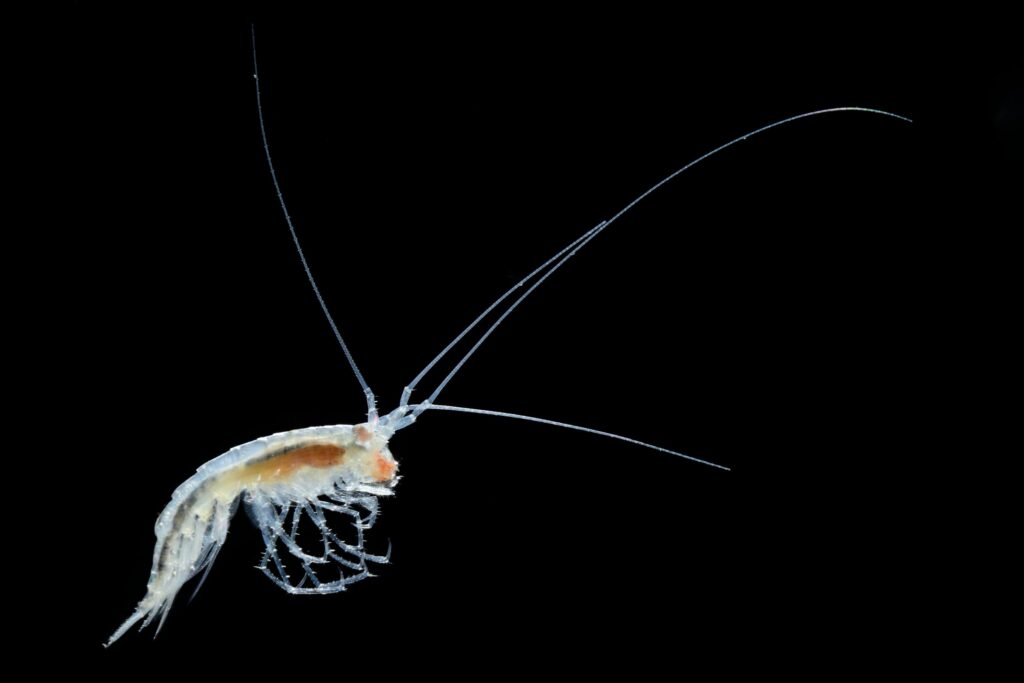
Dives by a remotely controlled underwater vehicle (ROV) have for the first time documented complex ecosystems such as sponge gardens and bamboo corals on previously unexplored reliefs. Initial examination of the findings indicates the probable identification of at least three new species of sponges and four amphipods.
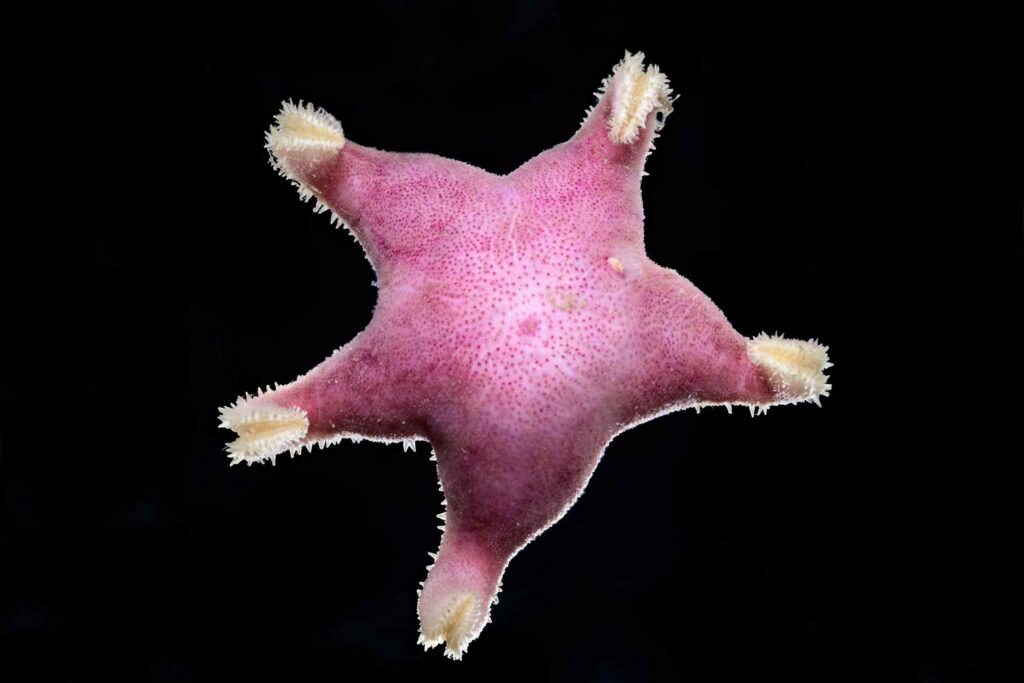
The value of these organisms exceeds mere taxonomic interest. Paco Cárdenas, an expert on abyssal sponges at Uppsala University’s Museum of Evolution, explained the biochemical potential of the discovery, “Sponges have existed for more than 500 million years and have developed their own drugs over time to repel predators and pathogens. Therefore, the chemical compounds from the abyssal species we found here could hold the key to finding cures for emerging diseases.”
Genetic corridors of biodiversity
Arctic submarine reliefs and hydrothermal spring systems are passage nodes for abyssal fauna. Jenny Neuhaus, of the Senckenberg Society for Nature Research, highlighted how such habitats serve as “biodiversity hotspots and act as ‘passageways’ for species to spread.”
Genetic analysis of the samples, coordinated by Sergi Taboada of the National Museum of Natural Sciences in Madrid, will be used to map connectivity between different populations along the oceanic ridge, an indispensable parameter for planning the delineation of future Marine Protected Areas (MPAs).
The strategy of the permanent moratorium
The goal of the campaign, which calls for the protection of 30 percent of the oceans by 2030, is to convert the temporary suspension granted by Norway into a permanent ban on deep-sea mining. Sandra Schöttner, the scientist who led and led the expedition, emphasized the exceptionality of the time situation: “The deep-sea mining industry has not yet started to devastate the seabed, so we have an opportunity to stop an environmental disaster before it happens.” The chemical and biological data collected will now be integrated into Norwegian environmental management system assessments.