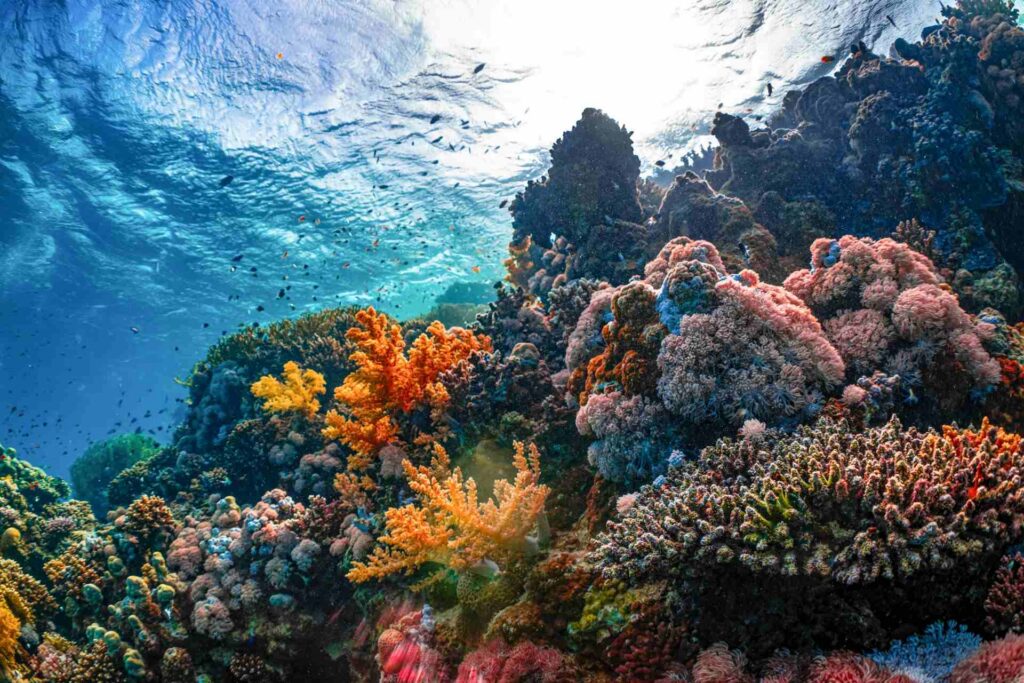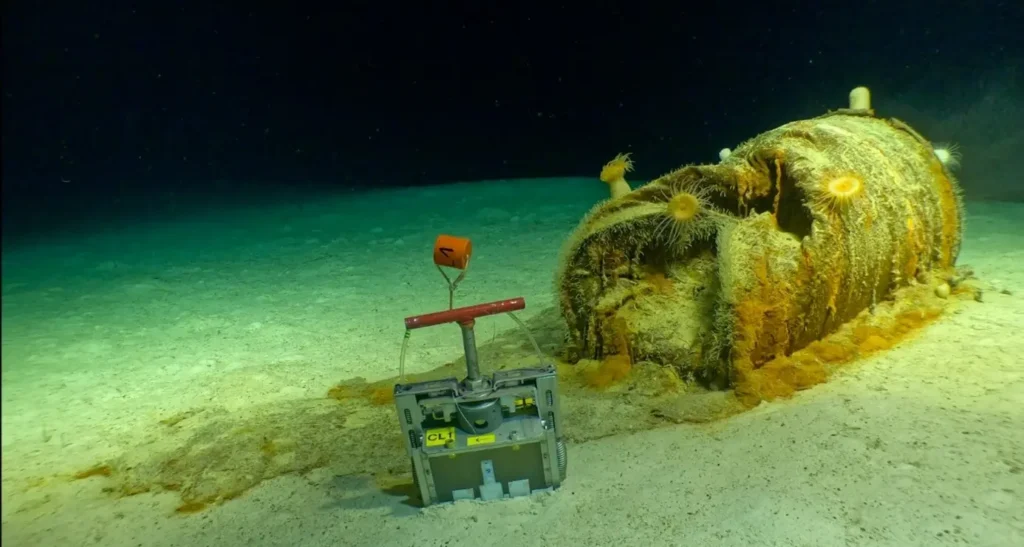
Between 600 and 1000 meters deep, the Mediterranean hides a little-known but ecologically extraordinarily important world. Cold-water coral reefs, sponge fields, pennatula grasslands, bamboo coral gardens, submarine canyons and seamounts-these environments harbor high biodiversity, valuable commercial species and serve as natural carbon storage reservoirs. Yet they are also the most vulnerable in the basin, and today they are under attack on two fronts: trawling and climate change.
An ecological heritage at irreversible risk
The deep ecosystems of the Mediterranean serve essential functions: they regulate biogeochemical cycles, support seafloor food chains, promote carbon sequestration and contribute to the climate resilience of the entire basin. The Mediterranean, semi-enclosed and naturally nutrient-poor, is characterized by low sedimentation rates that make its deep seabed particularly effective reservoirs of organic carbon.
The problem is that these ecosystems are composed of very slow-growing and long-lived species which makes them almost unable to recover from damage. When they are destroyed, they do not come back in human times.
Bottom trawling: the most devastating impact
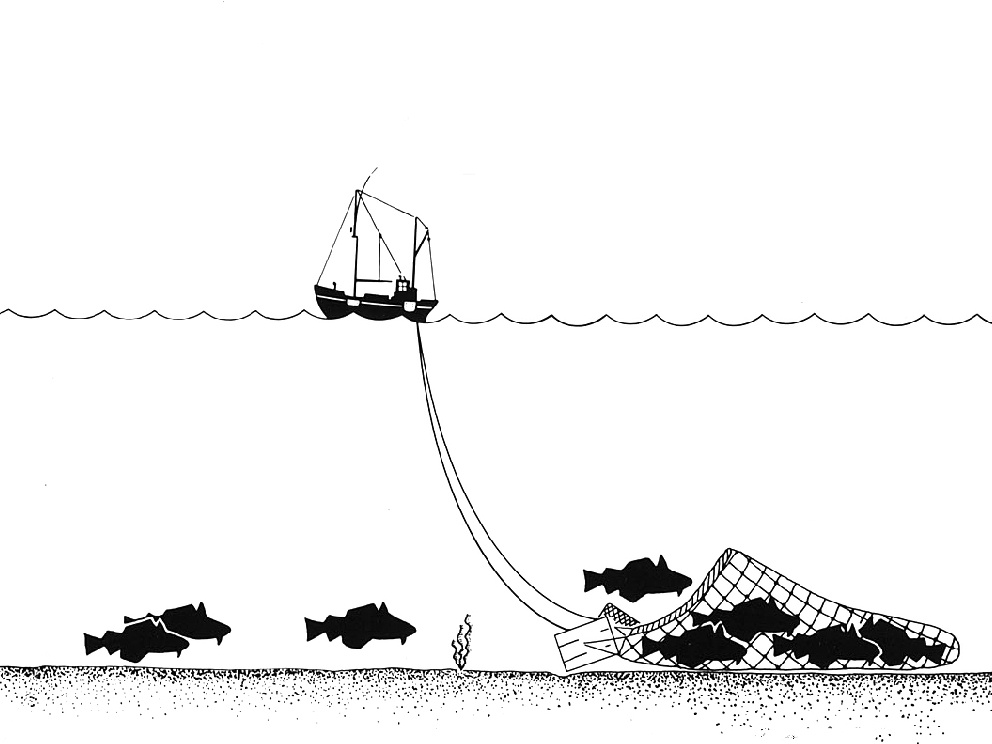
The report is stark on this point: trawling remains the leading cause of deep-sea ecosystem degradation. Nets towed by trawlers with steel gates of 2-5 tons each and nets 25 meters wide wipe out habitat-building species, alter sediment structure and destroy connections between the seafloor and the water column.
The documented consequences in the Mediterranean are severe. The bamboo coral Isidella elongata, once widespread throughout the basin, is now found only in isolated populations and is listed as a critically endangered species by the IUCN. The Blanes Canyon seafloor shows surface erosion and accelerated sediment transport. Coral and sponge beds in Santa Maria di Leuca show extensive damage in areas exposed to trawling.
Added to this is a less visible but equally serious effect: the resuspension of sediment by nets releases previously buried organic carbon, weakening the function of the seabed as a long-term climate reservoir.
The climate amplifies everything
The Mediterranean Sea is warming faster than the global average-20 percent faster than the oceans-and this further exacerbates pressure on deep-sea ecosystems. Waters are warming, dissolved oxygen is decreasing, acidification is advancing, and food availability for benthic species is decreasing.
Forecast models paint a worrying picture: by 2100, under high-emission scenarios, about 60 percent of currently suitable areas for key species in vulnerable marine ecosystems could disappear. Suitable habitats will shift to deeper waters and tend to contract, especially in the eastern and central subregions of the basin.
What to do: the measures that work
The report analyzes best practices adopted internationally by Regional Fisheries Management Organizations and identifies three main tools.
Depth-based closures. They prohibit trawling below certain thresholds (usually 600-800 m in the Atlantic, 1000 m in the Mediterranean). They are relatively easy to communicate, monitor and enforce through satellite tracking systems.
Restrictions on gears in vulnerable areas. However, they must be accompanied by spatial management tools to prevent fishing effort from simply moving elsewhere.
Permanent closures for vulnerable marine ecosystems. In the Mediterranean, eleven Fisheries Restriction Areas (FRAs) have already been established by the GFCM, but coverage is still insufficient compared to the extent and vulnerability of the ecosystems to be protected.